
We’re not ready
The ground over Yellowstone is rising
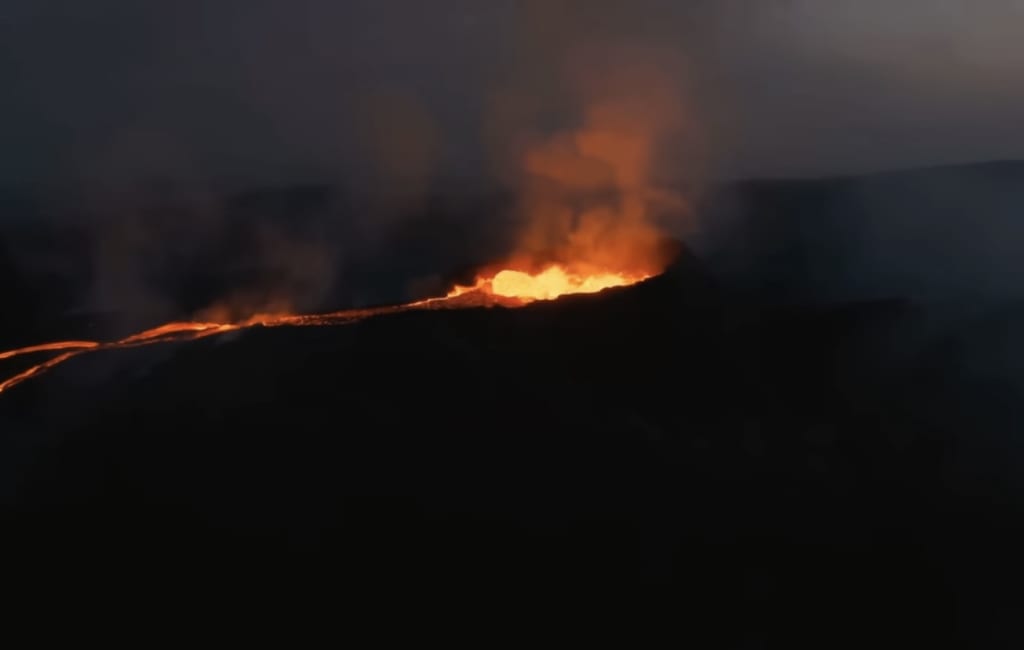
Yellowstone National Park and its super volcano; it's such a mind-blowing topic! The underground magma chambers at Yellowstone are massive, and the fact that the park is perched atop such a colossal volcano adds to its mystique. The seismic activity and land movements we see are all part of the natural volcanic processes at play.
When we talk about Yellowstone's super volcano, it's hard not to mention the Yellowstone Caldera, a massive volcanic feature that measures about 30 by 45 miles. This caldera is a result of past supereruptions that have occurred at Yellowstone. These supereruptions are incredibly rare but have the potential to cause global effects due to the massive amounts of ash and volcanic material they release into the atmosphere.
Despite the occasional earthquake swarms and the land's rising and falling, experts closely monitor Yellowstone's volcanic activity. Scientists at the Yellowstone Volcano Observatory keep a close eye on any changes that might indicate increased volcanic activity. It's essential to note that while Yellowstone's volcanic explosivity index is high, indicating the potential for a significant eruption, the chances of such an event occurring in the near future are low.
Yellowstone's geothermal features, like geysers and hot springs, are a visible reminder of the volcanic activity happening beneath the surface. The famous Old Faithful geyser, known for its predictability in erupting, is just one of the many geothermal wonders in the park. These features are a result of water seeping into the ground, getting heated by the magma below, and then returning to the surface through vents and geysers.
In conclusion, Yellowstone National Park and its super volcano are indeed fascinating subjects that showcase the raw power and beauty of nature. While the thought of a supereruption can be daunting, rest assured that experts are diligently monitoring the volcano, and the chances of such an event occurring in the near future are remote. Yellowstone serves as a reminder of the dynamic Earth we live on and the importance of understanding and respecting the natural forces that shape our planet.
In the unlikely event of a supereruption at Yellowstone, it would have significant consequences due to the massive amount of ash, gases, and volcanic material that would be ejected into the atmosphere. A supereruption at Yellowstone could potentially impact global climate, leading to decreased temperatures and affecting agriculture, air travel, and overall environmental conditions worldwide. However, it's important to note that while Yellowstone's super volcano is a topic of interest and concern, the chances of a supereruption occurring in the near future are minimal based on current scientific monitoring and understanding of volcanic activity.
In the rare event of a supereruption at Yellowstone, the impact on climate would be significant. The massive amount of ash and sulfur dioxide released into the atmosphere would lead to global cooling. The ash particles can reflect sunlight, reducing the amount of solar radiation reaching the Earth's surface, which could lower temperatures worldwide. Additionally, sulfur dioxide can react with water vapor in the atmosphere to form sulfuric acid aerosols, which further contribute to cooling the planet by scattering sunlight.
This cooling effect on the climate resulting from a supereruption can have far-reaching consequences. It could disrupt agricultural activities, leading to crop failures and food shortages. The decrease in temperatures could also affect ecosystems, wildlife, and human populations. Furthermore, the changes in climate patterns may impact weather systems, potentially causing extreme weather events in various regions.
While the potential effects of a supereruption on climate are concerning, it's essential to remember that such events are rare and that scientists continuously monitor volcanic activity to provide early warnings and mitigate risks.
If a supereruption were to occur at Yellowstone, the effects would be felt globally, including in New York. While New York is far from Yellowstone, the impact on climate from a supereruption could still reach the city. The cooling effect caused by the ash and gases released into the atmosphere could lead to decreased temperatures and changes in weather patterns in New York and other regions around the world.
The ash clouds could also affect air travel, potentially disrupting flights in and out of New York and other major cities. It's important to note that the specific consequences for New York would depend on various factors such as the intensity of the eruption, prevailing wind patterns, and the amount of volcanic material ejected into the atmosphere.
Overall, while New York may experience indirect effects from a supereruption at Yellowstone, the impact would likely be part of a broader global scenario of climate disruption and environmental changes.
About the Creator
Keep reading
More stories from Amina Afta and writers in Earth and other communities.
Amazon
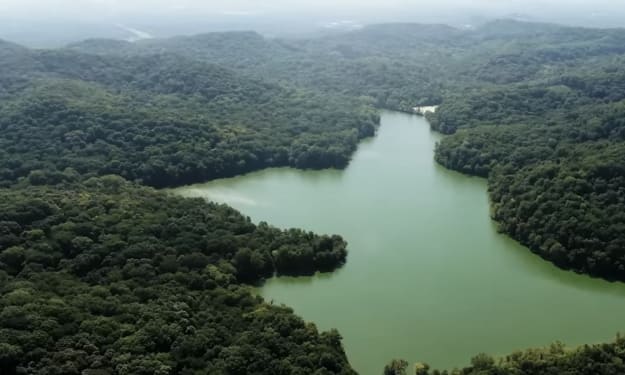
The Amazon Rainforest is located in South America, spanning across multiple countries such as Brazil, Peru, Colombia, and several others. It's known for its incredible biodiversity and is often referred to as the "lungs of the Earth" due to its vital role in producing oxygen and regulating the climate. It's a truly remarkable and important natural wonder!
By Amina Afta 2 years ago in Earth
It’s too warm': Greenland’s fishermen are under threat from climate change
Greenland’s traditional fishing communities are facing an uncertain future as the Arctic warms faster than any other region on Earth, dramatically reshaping the landscapes and livelihoods of the semiautonomous Danish territory. Local fishermen, whose lives have long been tied to sea ice and predictable seasonal patterns, are now confronting unpredictable weather, shifting fish populations, and economic pressures that threaten both their culture and the local economy. A Changing Arctic Reality In the small coastal town of Ilulissat, veteran fisherman Helgi Áargil described how climate change has upended his routines. Where once he relied on stable sea ice and consistent fishing grounds, he now finds warmer waters, rainier conditions, and fish moving to deeper, cooler waters. Last year his boat became trapped in ice that calved from a nearby glacier; this year, instead of strengthening ice, it has been unusually wet — making conditions less predictable and incomes more volatile. Fishing accounts for up to 95 percent of Greenland’s exports, with key markets including China, the United States, Japan and Europe. This heavy economic reliance amplifies the impact of climate effects on fish patterns and harvests. Disappearing Ice, Changing Practices Traditional ice fishing — once conducted on sea ice more than a metre thick — has declined sharply. Older generations recall times when they could easily drill holes in stable ice to fish for cod, halibut, shrimp and snow crab. Today, sea ice is retreating earlier and forming later, forcing many fishermen to rely on boats even in the coldest months. While boats allow access to broader waters, they come with higher fuel costs and greater exposure to the elements, challenging sustainability. Karl Sandgreen, head of the Icefjord Center in Ilulissat, noted that ice thick enough to support traditional fishing began disappearing roughly three decades ago. The shift has not only changed how fishers operate but also increased competition and pressure on stocks closer to shore. Ecological and Economic Pressures Warmer conditions are also affecting fish behavior. Many species are moving deeper or into new areas as they seek cooler waters, complicating efforts to maintain stable catches. A warming ocean can temporarily boost plankton growth — potentially increasing some fish stocks — but it also alters ecosystems in unpredictable ways. Experts warn that fish may not behave as they once did, complicating traditional fishing forecasts and practices. The head of Royal Greenland, the territory’s largest employer, has expressed concern about a future with significantly diminished sea ice, which could push more traditional fishers toward larger, commercial fishing operations. However, this transition is not without risks. Increased fishing pressure near shorelines already shows early signs of overfishing; halibut are getting smaller, a classic indicator of stock stress noted by experts. Cultural Identity at Risk Fishing in Greenland is more than an economic activity; it is a cultural bedrock. In towns and villages across the island, harbours where daily catches are unloaded and sold remain central to community life. Many Greenlanders associate fishing with identity and tradition, and climate change is directly threatening these cultural ties as environmental conditions change faster than adaptation measures can keep pace. “You can have too much ice to sail and yet too little to qualify for safe ice fishing,” noted Toke Binzer, describing the paradoxical challenges fishermen now face. The unpredictability makes planning difficult and income erratic — one trip might bring significant earnings, while the next yields little or nothing. Limited Alternatives and Future Paths Beyond fishing, economic alternatives in Greenland remain limited. Tourism is growing but not at a pace that could offset losses in the fishing sector. With a total population barely over 50,000, opportunities outside harvesting marine resources are comparatively sparse. As dog sledding and other ice‑based traditions also diminish due to changing conditions, entire ways of life are under threat. Efforts to support traditional fishers include loans for boats and business assistance, but long‑term resilience will likely require broader strategies. These could involve sustainable fishing quotas, diversification into aquaculture, and investments in climate adaptation infrastructure. Yet many local observers emphasize that meaningful change must also address the root causes of warming — a challenge far beyond Greenland’s shores. A Climate Warning Sign Greenland’s fishermen are becoming a human indicator of rapid Arctic change. The region is warming faster than the global average, reshaping ecosystems and economies alike. As these communities adapt or struggle, their challenges shed light on the broader global consequences of climate change — illustrating how environmental shifts ripple through cultures, industries and livelihoods thousands of kilometres from major industrial centres.
By Fiaz Ahmed 3 days ago in Earth


Comments (2)
Nice to read this
Interesting piece to read