
Wastewater Treatment Practices in Pakistan (Part 2)
"Wastewater Production and its Primary Treatment Methods"


1.1-Watewater Treatment Practices in Pakistan along with its Production and Primary Treatment Methods:
1.2-Wastewater Production
According to the 1998 population census of Pakistan, we estimated the total wastewater discharge from the 14 metropolitan cities of the Pakistan, which is about 1.83 × 10⁷ m 3 h −1. But the latest data revealed that the water quality has been continuously decreased day by day and its production reached up to dangerous level. The total wastewater discharge is about 277,765 million gallons from industrial waste and 672,979 from domestic waste. Industries like, Paper, Textile, Petrochemicals, Refineries and food are the major source of the industrial wastewater generation. It was also estimated that 1990 million gallons of wastewater are directly discharged to the natural bodies without any primary treatment. Here is sector wise wastewater generation in the Pakistan.
1.4-Process Overview
Sewage should be treated close to area where it is produced, or we transported the waste through a network of pipes to the treatment plants. The collection and treatment of the sewage is directly relates to the National and local authorizes with regulations. This treatment process involves the three main stages.
• Primary Treatment
• Secondary Treatment
• Tertiary Treatment
1.5-Pre-Treatment
This method is used for the removal of material that easily be separated from the waste water before it blocks the pipelines or damage the clogs of pumps. By following this treatment we easily remove large heavy bodies from water and it is considered the most important step towards the treatment of wastewater. This method includes following processes;
1.5.1-Screeing
Wastewater is strained to remove all the blocking material like sticks, metal cans, plastic bags, and tampons that are present in the sewage. In large automated plants this process performed mechanically, but small unit areas done this process manually. For mechanical automated system we used raked bar screens. These plants are workable for a large mass of waste and their action directly relate to the flow rate of the effluent. They screen the sewage water and remove the large objects present in it. The removed particles are collected and dumped far away from places.
1.5.2-Grit Removal
In this pre-treatment method we used cambers filled with sand and grit channels to control the velocity of incoming water. The wastewater moves slowly to allow macro particles to settle down, while the organic suspended particles move towards the next chamber. It also contains a sand washer along with conveyor that is used for the transport of sand to the discharge cell. The removed sand is further moved to sludge processing plants or to a landfill.
1.6-Primary Treatment
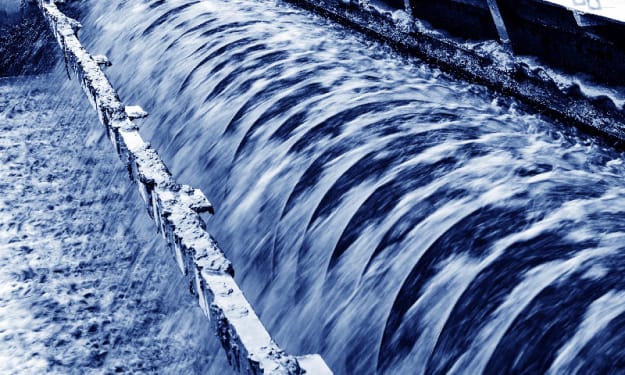
Although there are three basic treatments to treat wastewater called primary treatment, secondary treatment and tertiary treatment. But in this article our main focus will be on primary treatment. We will discuss the important step that is involved in primary treatment. In primary treatment the wastewater is collected in a tank basin, called “Primary Sedimentation tanks” where the heavy metal particles are settling down, and lighter particles moves up to the surface. The sewage starts to flow from a giant tank, also known as “Primary Clarifiers”. These tanks are large and easily settle down the sludge. In this way the settled and floating material easily separated from the rest, which further pass towards the secondary treatment process. The main purpose of Primary Sedimentation tanks is to create a suitable homogeneous waste liquid that are easy to handle or treat through various Physical and Biological means. The sedimentation tanks are linked with automatic driven scrapper. Scrapper used to collect the sludge material from the waste and ultimately pass towards a hopper for further treatment.
About the Creator
Fatima Jamil
In a world where you can be anyone, be yourself.
Keep reading
More stories from Fatima Jamil and writers in Earth and other communities.
Wastewater Treatment Practices in Pakistan (Part 1)
1-Wastewater treatment practices in Pakistan 1.1-Introduction Pakistan has expected current population of 170 million. This daily increase in population has direct impacts on water bodies that used to meet domestic, agriculture and industrial needs. Pakistan now runs out of its water resources and standing on the edge of water shortage countries. Similarly, the water quality has also been reduced and further decline due to unchecked waste management system. A large number of industries, agriculture and domestic waste directly disposed and contaminate water bodies. Similarly lack of interest in regular visit to check and monitor water bodies extents the number of water-borne diseases which ultimately have adverse effect on the environment and the living creatures. Even though it is mandatory to check and monitor water bodies and provides useful information, but still it lacks such kind of management. We clearly notice the wastewater impact on areas most closed to contaminated sources.
By Fatima Jamil3 years ago in Earth
Pentagon Contractor Indicted Over Alleged Leak Tied to Raided Washington Post Reporter
A Pentagon contractor has been indicted in connection with an alleged leak tied to a Washington Post reporter, marking a significant escalation in the U.S. government’s scrutiny of leaks involving national security information. The case has raised questions about press freedom, government overreach, and the balance between security and transparency, stirring debates in political, legal, and journalistic circles. Background of the Case According to court documents, the Pentagon contractor is accused of disclosing classified or sensitive information to a Washington Post journalist, whose office was previously raided by federal authorities as part of a leak investigation. The allegations include: Transmitting sensitive information without authorization. Coordinating with journalists who may have used the material in published reports. Potentially compromising national security operations or personnel. Federal prosecutors allege that the contractor knowingly violated U.S. law by disclosing information protected under federal statutes governing classified material. The Washington Post Connection This case is closely linked to a prior federal raid on a Washington Post reporter, an unprecedented action that drew widespread criticism from journalists and press freedom advocates. The raid reportedly aimed to identify the source of leaks regarding sensitive military or defense operations. The indictment of the Pentagon contractor underscores the government’s ongoing efforts to identify and prosecute sources of classified leaks, even when they involve interactions with journalists. Critics argue that such investigations risk chilling investigative reporting and undermining the First Amendment. Legal Details of the Indictment While some details remain sealed due to the sensitive nature of the information, the indictment reportedly charges the contractor with: Unauthorized disclosure of national defense information. Conspiracy to leak classified material. Violation of federal secrecy and security laws. The contractor now faces potential penalties including prison time, fines, and the permanent loss of security clearance. The case will be closely watched by legal experts, media organizations, and policy analysts, as it could set important precedents for how leaks are investigated and prosecuted. Implications for Press Freedom Journalists and press freedom organizations have raised concerns over the broader implications of this case. Key issues include: Chilling effect on investigative journalism: If government employees fear prosecution for speaking to reporters, crucial stories may go unpublished. Source protection: Confidential sources are vital for reporting on matters of public interest, particularly regarding government and military operations. Transparency vs. security: Balancing the public’s right to know with national security interests remains a complex challenge. The Washington Post and other news outlets have emphasized that government actions should respect constitutional protections for press freedom, even when investigating leaks. Government’s Perspective From the government’s standpoint, the case highlights the risks posed by unauthorized disclosures of sensitive information. Officials argue that leaks can: Compromise ongoing military operations. Endanger personnel and intelligence assets. Undermine national security and international relations. Prosecutors assert that the Pentagon contractor acted knowingly and illegally, justifying the indictment as necessary to protect national interests. Previous Leak Cases and Context This indictment comes amid a series of high-profile leak investigations involving U.S. government employees, contractors, and journalists: Previous cases have involved classified defense documents, intelligence reports, and diplomatic cables. Some investigations resulted in prosecutions, while others sparked controversy over press freedom and government overreach. These cases often raise complex legal questions about the definition of classified information and the rights of journalists to report on public interest issues. Legal experts say this Pentagon contractor case may be one of the most significant yet, given its direct tie to a mainstream news outlet. Public and Media Reaction The indictment has elicited strong reactions from multiple sectors: Journalists: Press freedom advocates express concern that prosecuting sources of leaks could intimidate whistleblowers and reporters. Legal analysts: Experts are closely watching how the courts interpret laws governing classified material and the limits of government authority. Policy makers: Some lawmakers have emphasized the need for clearer guidelines on leaks and protections for investigative reporting. Civil liberties organizations have warned that aggressive leak investigations may inhibit government accountability, especially on issues involving national defense and public interest. Potential Outcomes and Next Steps The Pentagon contractor now faces trial proceedings, which may include: Pre-trial motions challenging the scope of evidence and the legality of the indictment. Examination of whether journalists’ communications can be implicated in legal proceedings. Decisions on sentencing if convicted, including potential prison time and fines. Observers predict that the case may also influence future government policies on leak investigations and employee handling of sensitive information. Why This Matters This case illustrates the delicate balance between national security and press freedom. Key takeaways include: Government employees and contractors must exercise caution when handling classified material. Journalists rely on confidential sources to report on matters of public interest. Legal and ethical frameworks must address both the risks of leaks and the protection of free speech. The outcome of this case could set legal precedents affecting not just defense contractors, but journalists, whistleblowers, and government transparency efforts. Final Thoughts The indictment of a Pentagon contractor over an alleged leak linked to a raided Washington Post reporter underscores the complex intersection of national security, law, and press freedom. While the government seeks to protect sensitive information, the case also raises questions about constitutional rights, transparency, and accountability. As proceedings unfold, this case will likely continue to be a touchstone in discussions about how the U.S. balances security concerns with the democratic imperative of a free press, and how future leak investigations are conducted
By Muhammad Hassan4 days ago in Earth
Franklin County Snow Emergency
Winter weather in Ohio can change quickly, and when heavy snow or ice hits, local governments rely on snow emergency levels to keep residents safe. One of the most searched winter questions each year is: what level is Franklin County snow emergency right now? Understanding how these emergency levels work—and how they compare with nearby counties like Delaware County—can help drivers, workers, and families make safer decisions during severe weather. This article breaks down everything you need to know about the Franklin County snow emergency, including how levels are determined, where to find updates, and what each level means for daily life. What Is a Snow Emergency in Franklin County? A snow emergency is declared when weather conditions make travel dangerous due to snow, ice, or freezing rain. In Franklin County, Ohio, officials monitor road conditions, weather forecasts, and accident reports before announcing a snow emergency level. The Franklin County snow level system is designed to limit unnecessary travel and reduce accidents. Each level comes with specific guidelines for residents and employers. Local media outlets, especially 10TV Weather, play a major role in communicating these updates to the public in real time. Snow Emergency Levels Explained To understand what level snow emergency is Franklin County Ohio, it helps to know what each level represents. Level 1 Snow Emergency A Level 1 advisory means roads are slippery, especially bridges and secondary roads. Drivers should use caution, reduce speed, and allow extra stopping distance. Travel is permitted No legal restrictions Increased risk on untreated roads At this stage, daily activities usually continue as normal, though delays are common. Level 2 Snow Emergency When conditions worsen, officials may declare a Level 2 snow emergency. This signals that roads are hazardous and travel should be limited to essential trips only. Driving is discouraged Only necessary travel is advised Accidents become more frequent During a Level 2, many schools, businesses, and government offices may close or operate on delays. This is often the level that sparks widespread concern across Franklin County. Level 3 Snow Emergency Level 3 is the most serious designation. Roads are extremely dangerous or impassable, and travel is legally restricted. Only emergency personnel should be on the roads Driving can result in citations or arrest Conditions pose serious safety risks A Level 3 snow emergency is rare but critical. When declared, residents are urged to stay indoors until conditions improve. How Franklin County Determines Snow Emergency Levels Officials rely on multiple factors before announcing a snow emergency: Snowfall totals and accumulation rates Ice formation and road treatment effectiveness Traffic accidents and emergency response delays Weather forecasts from meteorologists Agencies coordinate closely with weather services and local law enforcement. Reports from 10TV Weather often provide early insight into whether conditions may escalate. Comparing Franklin County and Delaware County Snow Emergencies Many Ohio residents commute between counties, which makes comparing alerts important. A Delaware County snow emergency may not always match Franklin County’s status. For example: Franklin County could be under a Level 2 while Delaware County remains at Level 1 Snow bands may impact northern counties more severely Timing of road treatment can differ Drivers should always check both counties before traveling. Conditions can change rapidly, especially during overnight storms. Where to Find Reliable Updates Staying informed is essential during winter storms. The most reliable sources for Franklin County snow emergency updates include: Franklin County Sheriff’s Office announcements Official county websites and social media pages Local news stations, especially 10TV Weather Emergency alert systems and local radio Searching phrases like what level is Franklin County or what level snow emergency is Franklin County Ohio during storms is common, but always rely on official sources for confirmation. How Snow Emergencies Affect Schools and Workplaces Snow emergency levels often influence closures and delays: Schools typically close at Level 2 or Level 3 Government offices may shut down during Level 2 Many employers follow county advisories However, private businesses may set their own policies, so employees should check with supervisors directly. Preparing for a Franklin County Snow Emergency Preparation can make a major difference during winter weather. Residents are encouraged to: Keep vehicles fueled and stocked with emergency supplies Monitor forecasts before storms arrive Avoid unnecessary travel during Level 2 or Level 3 emergencies Check on elderly neighbors when conditions worsen Simple planning can reduce stress and improve safety during severe winter events. Why Snow Emergency Levels Matter Snow emergencies are not just warnings—they are safety tools. Each Franklin County snow level helps emergency crews prioritize resources, reduce accidents, and protect lives. Ignoring advisories can put drivers and first responders at risk. Understanding the system allows residents to make informed, responsible decisions. Final Thoughts Winter in Ohio is unpredictable, but information makes it manageable. Knowing how the Franklin County snow emergency system works—and staying updated through trusted sources like 10TV Weather—can help you stay safe when conditions deteriorate. Whether you’re checking what level is Franklin County, comparing alerts with a Delaware County snow emergency, or planning your commute, awareness is your best defense against winter hazards.
By Saboor Brohi 2 days ago in Earth


Comments
There are no comments for this story
Be the first to respond and start the conversation.