
Waste Disposal in America
Challenges, Solutions, and the Road Ahead


Introduction:
Waste disposal is an integral part of any modern society, and the United States faces significant challenges in managing its ever-growing waste streams. With a population of over 330 million people and a thriving consumer culture, the country generates vast amounts of waste daily. This article explores the current state of waste disposal in America, the challenges it poses, the existing solutions, and the future prospects for sustainable waste management.
The Current State of Waste Disposal in America:
The United States produces approximately 292 million tons of municipal solid waste (MSW) each year. This waste consists of various materials such as plastics, paper, metals, glass, organic matter, and hazardous substances. The disposal of such waste has significant environmental, economic, and health implications.
a) Landfilling:
Traditionally, landfilling has been the primary method of waste disposal in the U.S., with approximately 52% of MSW ending up in landfills. However, landfills contribute to groundwater pollution, emit methane (a potent greenhouse gas), and occupy large areas of land, making them unsustainable in the long run.
b) Incineration:
Incineration, or waste-to-energy, is another method used to dispose of solid waste. It involves burning waste to generate electricity. While it reduces the volume of waste, incineration raises concerns about air pollution and the release of toxic substances like dioxins and heavy metals.
c) Recycling:
Recycling plays a crucial role in waste management, conserving resources and reducing the burden on landfills. However, the recycling rate in the U.S. is only around 35%, leaving significant room for improvement. Challenges such as inadequate infrastructure, lack of consumer awareness, and contamination of recyclables hinder the effectiveness of recycling programs.
d) E-waste and Hazardous Waste:
The increasing proliferation of electronic devices poses a unique challenge. Electronic waste (e-waste) contains hazardous materials like lead, mercury, and cadmium. Proper disposal and recycling of e-waste are vital to prevent environmental contamination and protect human health.
Challenges in Waste Disposal:
America faces several challenges in waste disposal, which require comprehensive and sustainable solutions.
a) Overconsumption and Packaging:
The culture of overconsumption and excessive packaging contributes to the waste problem. Single-use plastics, packaging waste, and disposable products are major contributors to landfill waste. Encouraging a shift towards sustainable consumption practices and reducing packaging waste can mitigate this issue.
b) Inadequate Infrastructure:
The lack of comprehensive waste management infrastructure poses a significant challenge. Many communities lack access to recycling facilities, composting facilities, and hazardous waste disposal sites. Investment in infrastructure development and improving accessibility is crucial to enhance waste management practices across the country.
c) Contamination and Education:
Contamination of recyclables is a major hurdle in the recycling process. Incorrect sorting and mixing non-recyclable materials with recyclables reduce the quality and marketability of recycled products. Education campaigns, improved labeling, and consistent messaging are needed to educate the public on proper waste sorting and disposal practices.
d) Landfill Saturation:
Landfill space is becoming scarcer in densely populated areas. Identifying suitable landfill sites and developing sustainable waste treatment alternatives, such as waste-to-energy facilities, will be essential to address this issue.
Sustainable Waste Management Solutions:
To tackle the waste disposal challenges, the United States needs to adopt a holistic approach towards sustainable waste management. Several solutions can contribute to a cleaner and more efficient waste management system.
a) Source Reduction and Product Design:
Emphasizing source reduction by encouraging manufacturers to minimize packaging, promote durable products, and adopt eco-friendly designs can significantly reduce waste generation at its source.
b) Recycling and Circular Economy:
Expanding recycling programs, improving recycling infrastructure, and increasing consumer awareness are crucial. Implementing extended producer responsibility (EPR) programs can also incentivize manufacturers to design products with recyclability in mind. Embracing the circular economy model, which focuses on reducing waste, reusing materials, and recycling, can help achieve long-term sustainability.
c) Composting and Organic Waste Management:
Encouraging composting programs for organic waste, both at individual and community levels, can divert a significant portion of waste from landfills. Compost can be used as a nutrient-rich soil amendment, closing the organic waste loop and promoting soil health.
d) Advanced Waste-to-Energy Technologies:
Investing in advanced waste-to-energy technologies can help mitigate landfill space constraints while generating renewable energy. These technologies must prioritize minimizing emissions, including pollutants and greenhouse gases, to ensure environmental sustainability.
e) Public-Private Partnerships:
Collaboration between government entities, private sectors, and community organizations is crucial in driving sustainable waste management initiatives. Public-private partnerships can facilitate investment, innovation, and the implementation of effective waste management practices.
The Road Ahead: Towards a Sustainable Future:
The future of waste disposal in America lies in embracing sustainable practices, fostering innovation, and prioritizing environmental stewardship. Key strategies include:
a) Policy and Legislative Frameworks:
Developing robust policies, regulations, and incentives that promote sustainable waste management practices will be essential. Governments at all levels should collaborate to create comprehensive waste management frameworks and enforce environmental standards.
b) Research and Innovation:
Investing in research and development can drive technological advancements and innovative solutions for waste management. Areas such as waste sorting technologies, recycling techniques, and eco-friendly packaging materials require focused attention.
c) Public Awareness and Engagement:
Raising public awareness about the importance of waste reduction, recycling, and responsible consumption is critical. Educational campaigns, community involvement, and fostering a sense of environmental responsibility can drive positive behavioral change.
d) International Cooperation:
Collaboration with other nations, sharing best practices, and learning from successful waste management models globally can contribute to sustainable waste management practices in the United States.
Conclusion:
Addressing the challenges of waste disposal in America requires a comprehensive and multi-faceted approach. By promoting source reduction, improving recycling infrastructure, embracing innovative technologies, and fostering public awareness, the United States can move towards a more sustainable future. With concerted efforts, waste can be transformed from a burden into a valuable resource, ensuring a cleaner and healthier environment for generations to come.
About the Creator
walter Rodriguez
I love writing article and providing you guys with knowledge and information about certain things in life that maybe you will come across into.
Keep reading
More stories from walter Rodriguez and writers in Earth and other communities.
Unveiling the Transformative Impact of COVID-19 on Medical Technology
Introduction: The COVID-19 pandemic has unleashed an unprecedented global crisis, challenging healthcare systems and exposing the vulnerabilities in our approach to public health. However, amidst the chaos and devastation, there is a silver lining—a catalytic effect on medical technology. From innovative diagnostic tools to telemedicine platforms, COVID-19 has forced healthcare providers and technology developers to rapidly adapt and accelerate the integration of cutting-edge solutions. This article explores the profound impact of COVID-19 on medical technology and how it has revolutionized various aspects of healthcare delivery.
By walter Rodriguez3 years ago in Earth
Amid European Energy Fears, Coal Creeps Back Into Favour
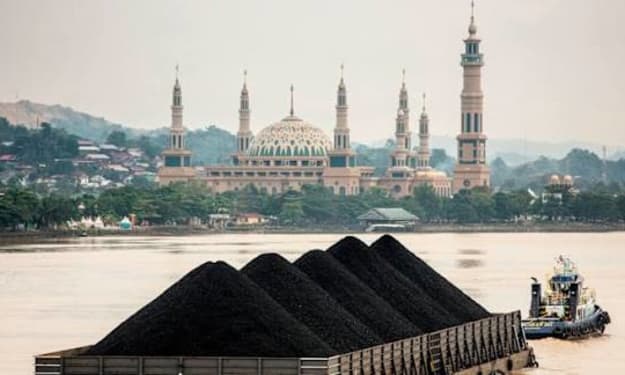
Europe’s energy landscape is shifting as fears over supply security and rising costs drive some countries back toward coal, a fossil fuel many had hoped to phase out entirely. The resurgence comes amid heightened tensions over energy imports, particularly natural gas, as the war in Ukraine and geopolitical friction with Russia have exposed vulnerabilities in the continent’s energy systems. Germany, long seen as a leader in renewable energy adoption, recently announced plans to keep several coal-fired power plants online longer than initially scheduled. Officials cited winter energy demands and the need to maintain a reliable baseload while natural gas supplies remain constrained. Similar considerations are emerging in Poland, the Czech Republic, and other nations that rely heavily on imported energy. “The energy crisis has forced governments to make difficult choices,” said Dr. Klaus Weber, an energy policy analyst at European Energy Institute. “While the climate goals remain important, ensuring citizens have access to electricity and heat this winter has become a more immediate priority.” The return to coal is not simply a response to price spikes. Energy security has become a pressing concern after European reliance on Russian gas pipelines was disrupted, prompting countries to diversify sources and store reserves. Coal, abundant in Europe and globally traded at competitive prices, provides a short-term buffer against shortages. At the same time, rising electricity costs have placed enormous pressure on households and industries. According to recent statistics from the International Energy Agency, European electricity prices surged by nearly 40% in the past year, prompting governments to subsidize energy bills and rethink fuel strategies. Coal-fired generation, though more polluting, offers predictable output and can be ramped up quickly to stabilize grids. Renewable energy advocates have expressed concern that this shift could undermine Europe’s climate leadership. Coal emits roughly twice the CO₂ per unit of energy compared to natural gas, posing challenges to achieving net-zero targets. Critics warn that extending coal use—even temporarily—risks locking in infrastructure that is inconsistent with long-term decarbonization goals. “Every megawatt-hour produced from coal is a step backward for Europe’s climate ambitions,” said Maria López, senior campaigner at Greenpeace Europe. “Governments need to pair any temporary measures with accelerated renewable deployment to avoid backsliding on emissions reductions.” Some nations are attempting to balance these pressures by deploying cleaner coal technologies. Advanced coal plants with carbon capture and storage (CCS) can reduce emissions by capturing a significant portion of CO₂ before it enters the atmosphere. Germany and the Netherlands are investing in pilot projects to integrate CCS into existing power plants, though critics note that large-scale implementation remains costly and complex. Analysts suggest that Europe’s return to coal is likely to be temporary. Once gas supplies stabilize and renewable infrastructure expands, reliance on coal is expected to decline. Yet the episode has highlighted the fragility of energy systems in the face of geopolitical shocks and the tension between short-term energy security and long-term climate goals. Meanwhile, citizens and businesses are feeling the immediate impact. Many households in Eastern and Central Europe face sharply higher heating costs this winter, and industrial manufacturers are warning that energy-intensive production could be scaled back if prices remain high. Policymakers are caught between the urgent need to maintain supply and the imperative to meet climate commitments. The European Union is working on strategies to mitigate these challenges. Measures include expanding LNG import terminals, investing in cross-border electricity interconnectors, and boosting renewable energy capacity. However, the gap between energy supply and demand, exacerbated by geopolitical tensions, means coal may remain a stopgap solution for months to come. Europe’s cautious return to coal underscores a broader reality: energy transitions are never linear. Even as governments and citizens push toward a greener future, external shocks—conflict, supply disruptions, and price volatility—can temporarily alter priorities. The key challenge for policymakers will be ensuring that short-term reliance on fossil fuels does not derail long-term climate ambitions.
By Fiaz Ahmed 2 days ago in Earth
The Politics of Playing Dress-Up
Well, to start off I'd like to say a happy world book day to all who celebrate. I know I haven't really posted anything on my socials about it but I'm not a jubilant kind of person. I lay low most of the time. Let's start off with a popular anecdote from the vaults...
By Annie Kapur3 days ago in Geeks



Comments
There are no comments for this story
Be the first to respond and start the conversation.