

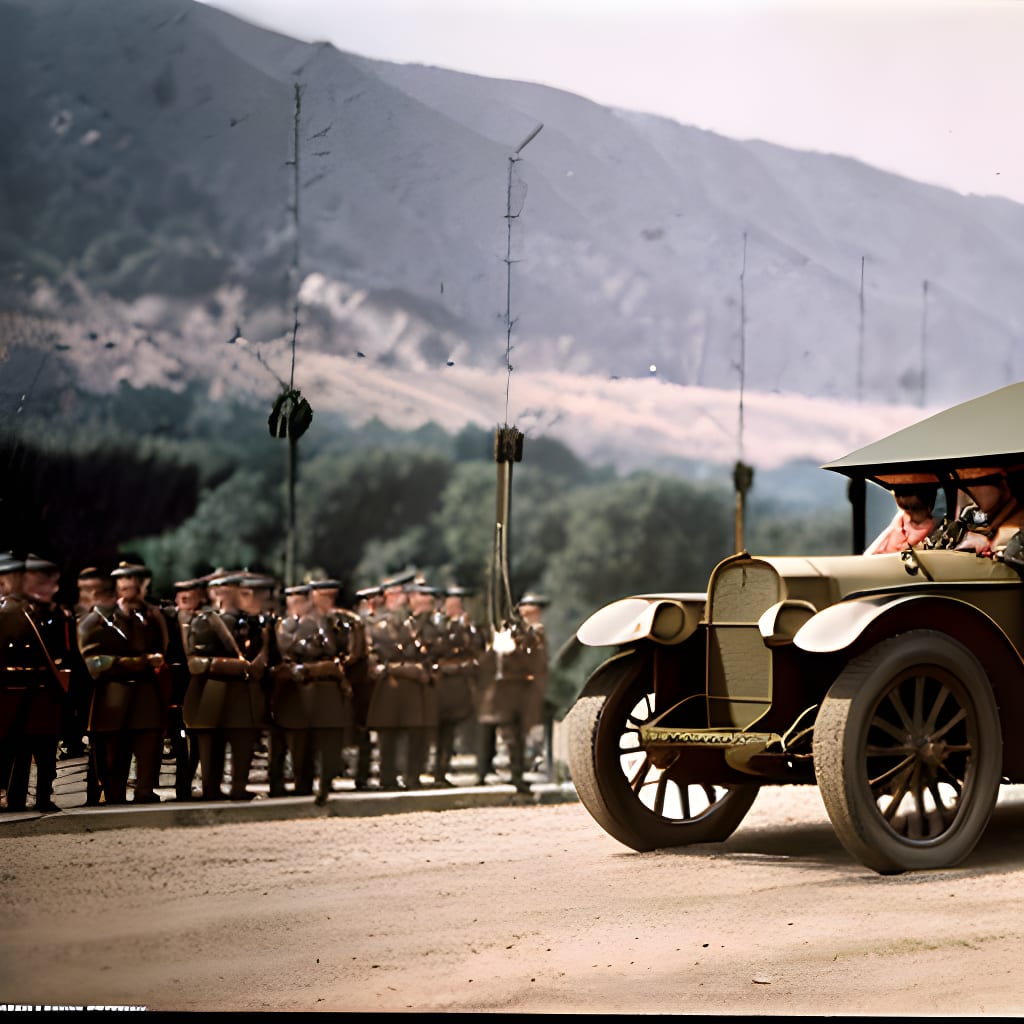
The Great War, a cataclysmic conflict that engulfed the world in turmoil, forever altered the course of history. It erupted in the summer of 1914, as tensions among major global powers reached a boiling point. A complex web of alliances and territorial ambitions sparked the conflagration that would consume nations and shape the destiny of generations.
Amidst rising nationalism and militarism, the spark ignited in the Balkans, where the assassination of Archduke Franz Ferdinand of Austria-Hungary triggered a domino effect. Diplomacy faltered, and the alliances of Europe divided the continent into two opposing factions—the Allies and the Central Powers.
As the war commenced, optimism was high on both sides, with many anticipating a swift resolution. However, the initial enthusiasm faded quickly as the conflict evolved into a brutal and protracted struggle. Trench warfare dominated the Western Front, where soldiers endured unimaginable horrors in the face of relentless artillery barrages and deadly gas attacks. The Eastern Front saw massive battles and sweeping movements of troops, leading to unprecedented casualties.
Technological innovation played a dual role in the conflict. Modern weaponry, including machine guns, tanks, and airplanes, reshaped the battlefield and escalated the scale of destruction. Yet, despite these advancements, the tactics of old clashed with the realities of modern warfare, resulting in staggering casualties and little territorial gain.
The war's impact was felt far beyond the battlefield. Economies strained under the demands of total war, leading to rationing, inflation, and economic hardship. Civilian populations faced food shortages and displacement, while propaganda efforts sought to bolster morale and justify the sacrifices being made.
Over time, the war took on a global dimension, involving colonies and dominions of the belligerent powers. Soldiers from around the world were drawn into the conflict, creating a truly global theater of war. Nations like the Ottoman Empire and Russia experienced internal upheaval that would have lasting consequences.
As the war dragged on, calls for peace grew louder. Revolutions and social unrest erupted in several countries, further destabilizing the established order. In 1917, the United States entered the fray, bolstering the Allies and tipping the balance of power. The combined pressure from military and domestic fronts forced Germany and its allies to seek an armistice.
The armistice, signed on November 11, 1918, marked the end of the fighting. The human cost of the Great War was staggering, with millions dead and even more wounded or traumatized. The Treaty of Versailles, signed in 1919, imposed punitive measures on Germany and reshaped the map of Europe, redrawing borders and dismantling empires.
The aftermath of the Great War laid the groundwork for future conflicts and diplomatic challenges. The bitterness and economic devastation sowed the seeds for political extremism and the rise of totalitarian regimes. The League of Nations, established with the aim of preventing future conflicts, struggled to maintain peace and ultimately failed to prevent the outbreak of World War II.
The Great War stands as a sobering reminder of the cost of unchecked nationalism, militarism, and diplomatic miscalculation. Its impact reverberated for decades, shaping the trajectory of the 20th century and beyond. The war's lessons remain relevant, serving as a cautionary tale against the horrors of armed conflict and the importance of diplomacy and cooperation on the global stage.
About the Creator
Mj alibawan
New on this trying to do my best. feedback is really appriciated, Thank you.
Keep reading
More stories from Mj alibawan and writers in Earth and other communities.
Echoes of Elysium
In a realm known as Elysium, where magic flowed through the very air and creatures of legend roamed the land, there existed a young woman named Elara. She was born under the light of a rare celestial alignment, which granted her a unique gift: the ability to communicate with the spirits of the ancient forests, rivers, and mountains.
By Mj alibawan2 years ago in Earth
The Terrarium Toolkit: AI Helps You Build and Maintain a Miniature World
You assemble layers of earth, carefully position tiny plants, and add decorative stones, culminating in the moment you place the glass lid or front panel. You've created more than a decoration; you've built a miniature, self-contained world. Yet, weeks later, that world can become clouded—literally. Condensation obscures the view, mold appears on the soil, or a once-vibrant plant turns to mush. The delicate balance you sought has tipped.
By Emma Wallaceabout 23 hours ago in Earth
Writing About Writing: The Rainbow Trap
The good thing about living in modern times is that LGBTQ representation in media is increasing. Not just in niche and Independant media, either, but also in mainstream media. Books, movies, TV shows, comics... they're finally catching on that LGBTQ+ people form a significant part of their audience, and deserve to see themselves on screen and in fiction, not just as victims in documentaries and true crime shows.
By Natasja Rose3 days ago in Writers




Comments
There are no comments for this story
Be the first to respond and start the conversation.