
US Strikes Three Iranian Nuclear Sites
US Strikes Three Iranian Nuclear Sites: A Comprehensive Overview
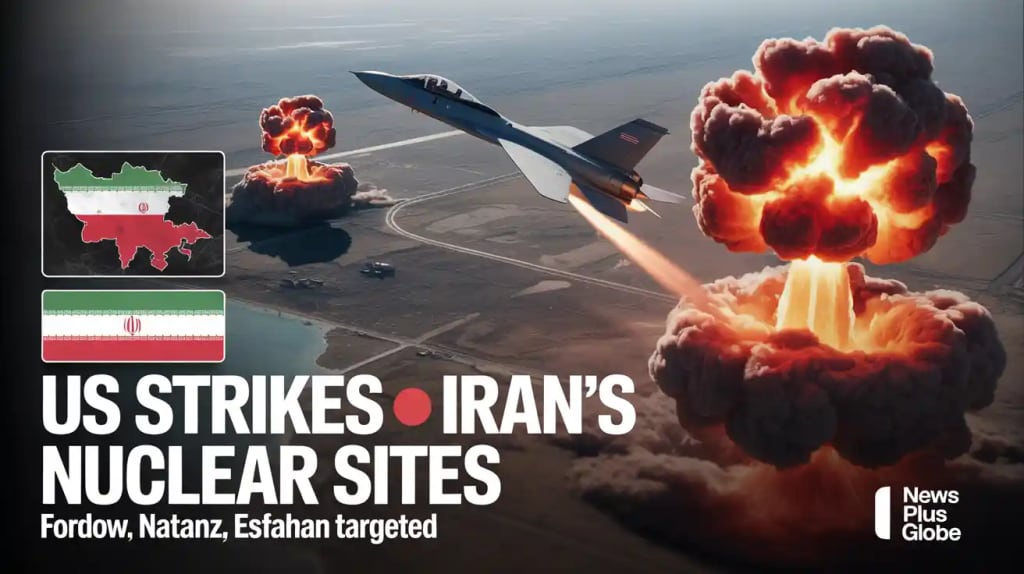
On June 22, 2025, the United States launched a series of precision strikes targeting three critical Iranian nuclear facilities: Fordow, Natanz, and Esfahan. This unprecedented military action marks a significant escalation in the ongoing tensions between the US, Iran, and Israel, with far-reaching implications for regional stability and global security.
The Targeted Sites
The three sites struck by the US are central to Iran’s nuclear program:
Fordow: Situated deep underground near the city of Qom, Fordow is Iran’s most fortified uranium enrichment facility. Buried nearly 90 meters beneath the surface, it has long been considered nearly impervious to conventional airstrikes. Fordow plays a crucial role in enriching uranium, a key step in nuclear fuel production.
Natanz: Located in central Iran, Natanz is a major site for centrifuge assembly and uranium enrichment. It has been the focus of international scrutiny and previous sabotage attempts due to its significance in advancing Iran’s nuclear capabilities.
Esfahan: This facility serves as a hub for nuclear research and development, including uranium conversion processes essential to Iran’s nuclear fuel cycle.
The Military Operation

The US employed cutting-edge weaponry, including the Massive Ordnance Penetrator (MOP), a 30,000-pound bunker-buster bomb capable of penetrating deep underground structures. The deployment of such weapons was necessary to reach Fordow’s heavily fortified tunnels, which conventional bombs could not effectively damage.
President Donald Trump announced the strikes via social media, declaring the operation a "spectacular success" and confirming that all US aircraft returned safely. The strikes were reportedly coordinated with Israeli intelligence, reflecting a deepening military partnership between the two nations against Iran’s nuclear ambitions.
Iran’s Response
Iran condemned the attacks as a blatant act of aggression and a dangerous escalation in the region. Iranian officials claimed that the strikes caused only superficial damage, asserting that nuclear materials had been evacuated from the targeted sites weeks prior. State media emphasized that Fordow remained operational, attempting to downplay the impact of the US airstrikes.
Despite these claims, Iran vowed to retaliate decisively, warning of "everlasting consequences" for the US and its allies. The Iranian government called for an emergency session of the United Nations Security Council to address what it described as a violation of international law.
Regional and Global Implications

The strikes have intensified an already volatile situation in the Middle East. Israel, which has long viewed Iran’s nuclear program as an existential threat, welcomed the US action but remains on high alert for potential Iranian retaliation.
The broader international community has expressed mixed reactions. While some Western nations support the US’s efforts to curb Iran’s nuclear capabilities, others, including Russia and China, have condemned the strikes and urged restraint. The Arab League criticized the attacks as a breach of sovereignty, emphasizing the need for diplomatic solutions.
Impact on Nuclear Negotiations
The US strikes have effectively halted ongoing diplomatic efforts to revive the 2015 Iran nuclear deal, known as the Joint Comprehensive Plan of Action (JCPOA). The Biden administration’s attempts to negotiate with Iran have faced significant setbacks, with Tehran accusing Washington of bad faith and aggression.
Security Concerns and Future Outlook
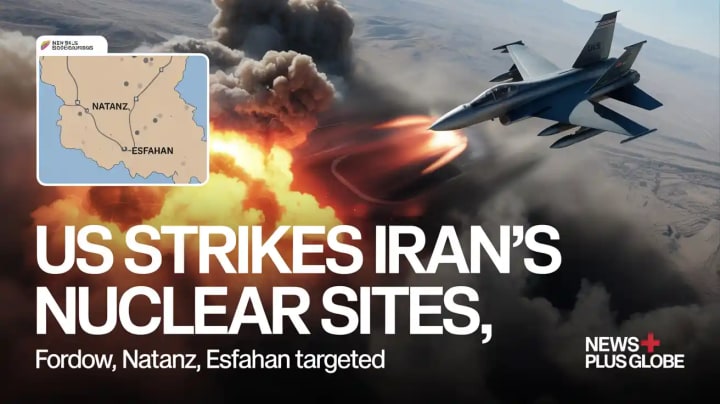
Security experts warn that the strikes could trigger a broader conflict, with Iran potentially escalating attacks on US military bases in the region and supporting proxy groups to retaliate against American and Israeli interests.
The use of bunker-buster bombs against deeply buried facilities also raises questions about the effectiveness and potential collateral damage of such operations. While the US claims minimal civilian casualties, the humanitarian impact remains a concern.
Conclusion
The US strikes on Iran’s nuclear sites represent a pivotal moment in the complex and fraught relationship between Washington and Tehran. As both sides brace for possible retaliation, the risk of a wider regional conflict looms large. The international community faces the challenge of balancing security concerns with the urgent need for diplomacy to prevent further escalation.
This development underscores the fragile state of Middle East geopolitics in 2025 and the critical importance of vigilant, strategic engagement to maintain global peace and stability.
Stay informed with News Plus Globe, your trusted source for global news, breaking updates, and trending headlines — all in one place. From major international developments to viral stories shaping the world, we bring you the fastest, most reliable coverage powered by Google Trends and real-time insights.
FAQs
Q1: Which Iranian nuclear sites were targeted by the US in June 2025?
A1: The US struck three key sites—Fordow, Natanz, and Esfahan—critical to Iran’s uranium enrichment and nuclear research.
Q2: What type of weapons were used in the strikes?
A2: The US deployed 30,000-pound bunker-buster bombs, including the Massive Ordnance Penetrator (MOP), designed to penetrate deeply buried underground facilities.
Q3: Why was Fordow a significant target?
A3: Fordow is heavily fortified and buried nearly 90 meters underground, making it a key but difficult-to-destroy uranium enrichment site.
Q4: How did Iran respond to the strikes?
A4: Iran condemned the attacks, claimed minimal damage, and vowed retaliation while calling for an emergency UN Security Council meeting.
Q5: What impact did the strikes have on nuclear diplomacy?
A5: The strikes effectively ended ongoing efforts to revive the Iran nuclear deal, escalating tensions and reducing chances for peaceful negotiations.
Q6: What are the regional implications of the US strikes?
A6: The strikes heightened fears of broader conflict, with Israel on high alert and concerns about Iranian retaliation through proxy groups or direct attacks.
Q7: Were there any civilian casualties reported?
A7: The US and Israel reported no civilian casualties, but humanitarian concerns remain due to the scale of the strikes.
About the Creator
Keep reading
More stories from M Irfan Zafar and writers in Earth and other communities.
World Oceans Day 2025
Introduction Every year on June 8, the world celebrates World Oceans Day, a global initiative dedicated to honoring the oceans — the vast blue heart of our planet. In 2025, this day holds even greater urgency as the oceans face unprecedented threats from climate change, pollution, and biodiversity loss. The theme, “Catalyzing Action for Our Ocean & Climate,” highlights the critical link between ocean health and global climate stability, calling for collective action to safeguard our future.
By M Irfan Zafar9 months ago in Earth


Comments
There are no comments for this story
Be the first to respond and start the conversation.