
Unveiling the Secrets: Why 11 Million Embalmed Specimens Are Stored in The Field Museum's Basement
Hidden beneath the magnificent exhibitions and awe-inspiring displays at The Field Museum in Chicago lies a vast collection of embalmed specimens numbering a staggering 11 million. This astonishing number might raise eyebrows and ignite curiosity among visitors and enthusiasts alike. Why are these specimens stored in the basement, and what purpose do they serve? In this article, we delve into the fascinating world of museum collections and explore the reasons behind the storage of these preserved treasures.
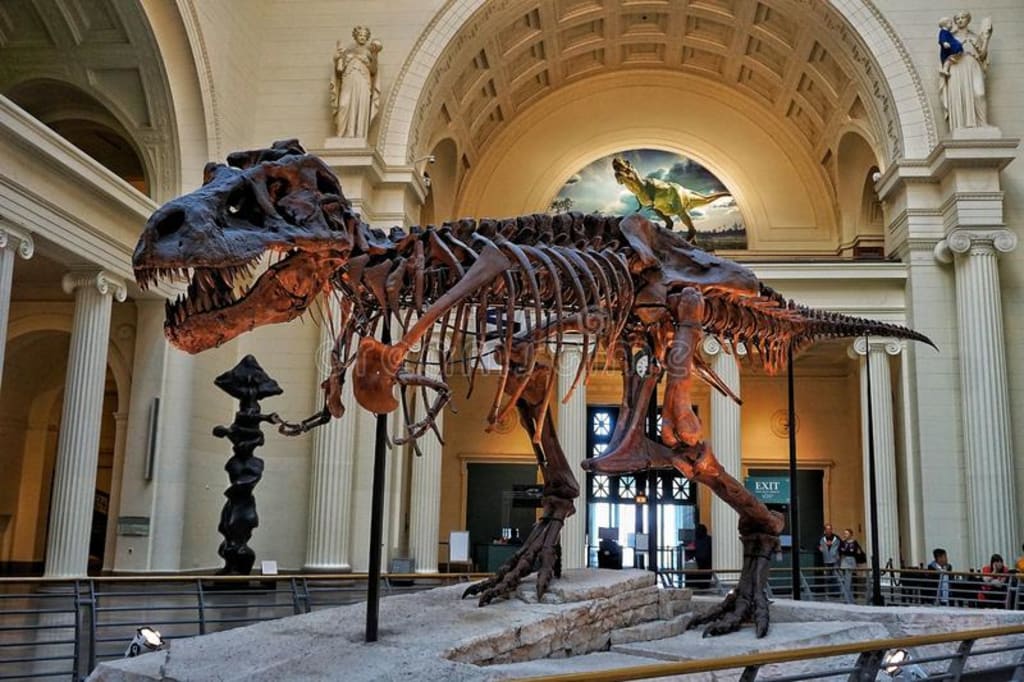
Hidden beneath the magnificent exhibitions and awe-inspiring displays at The Field Museum in Chicago lies a vast collection of embalmed specimens numbering a staggering 11 million. This astonishing number might raise eyebrows and ignite curiosity among visitors and enthusiasts alike. Why are these specimens stored in the basement, and what purpose do they serve? In this article, we delve into the fascinating world of museum collections and explore the reasons behind the storage of these preserved treasures.
Preserving Biodiversity:
The Field Museum's collection is a testament to its commitment to documenting and preserving Earth's biodiversity. It serves as a rich resource for scientific research, education, and public awareness. The collection's vast size is a reflection of the museum's dedication to cataloging the immense diversity of life on our planet.
Scientific Research:
The embalmed specimens housed in The Field Museum's basement provide an invaluable resource for scientific research. Scientists and researchers can access these specimens for a variety of studies, such as taxonomy, evolutionary biology, and ecology. By examining these preserved specimens, researchers can gain insights into the morphological, anatomical, and genetic characteristics of various species, enabling them to study patterns of biodiversity and understand the processes that shape life on Earth.
Historical Documentation:
The collection's historical significance cannot be overstated. Many of these specimens were collected during pivotal moments in scientific exploration, such as expeditions to remote regions of the world. These preserved specimens are often irreplaceable records of biodiversity, documenting species that may no longer exist or have undergone significant changes due to human activities or environmental factors. By preserving and studying these specimens, we can piece together the puzzle of our planet's past and gain a deeper understanding of our natural heritage.
Conservation and Environmental Studies:
The embalmed specimens in the museum's basement also play a crucial role in conservation efforts. By studying the preserved specimens, scientists can track changes in species' distributions and abundance over time. This information is vital for identifying endangered species, monitoring the impacts of habitat loss and climate change, and formulating effective conservation strategies. The collection provides a baseline against which future changes can be measured, allowing scientists to assess the health and stability of ecosystems.
Education and Public Outreach:
While the collection may be hidden away, it is not inaccessible. The Field Museum utilizes these preserved specimens for educational purposes, both within the museum and beyond its walls. The specimens serve as powerful teaching tools, allowing students, researchers, and the public to observe and learn about different organisms up close. They inspire curiosity and foster a deeper appreciation for the natural world, helping to raise awareness about the importance of biodiversity and the need for its preservation.
Challenges and Considerations:
Managing and maintaining such an extensive collection poses significant challenges. Proper storage conditions, including temperature and humidity control, are crucial to prevent degradation and preserve the integrity of the specimens. The museum invests considerable resources in ensuring the long-term preservation of these treasures, including implementing advanced preservation techniques and technologies.
The Future of the Collection:
As scientific knowledge advances and new research techniques emerge, the value of the embalmed specimen collection at The Field Museum continues to grow. The collection is an ever-evolving resource, with ongoing additions and refinements. In addition, advancements in DNA sequencing and other molecular techniques offer new opportunities to extract valuable information from these specimens, contributing to our understanding of biodiversity and evolutionary processes.
Conclusion:
The 11 million embalmed specimens stored in The Field Museum's basement serve as a testament to the museum's commitment to preserving Earth's biodiversity and advancing scientific knowledge. This vast collection provides a rich resource for scientific research, historical documentation, conservation efforts, and education. It stands as a testament to the interconnectedness and fragility of the natural world and the urgent need to protect and preserve it.
While these embalmed specimens may remain hidden from public view, they play a vital role in unraveling the mysteries of our planet's past and present. From the study of evolutionary relationships to the understanding of ecological dynamics and the identification of endangered species, these preserved treasures hold invaluable information that can guide conservation efforts and shape our future.
However, the challenges of managing and preserving such a vast collection should not be underestimated. Ensuring the long-term integrity of the specimens requires meticulous care and attention to detail. The Field Museum invests significant resources in maintaining proper storage conditions, implementing conservation protocols, and staying abreast of technological advancements that can enhance the value and accessibility of the collection.
Moreover, the future of the collection is not confined to the basement of the museum. The Field Museum actively collaborates with other institutions and researchers worldwide to exchange knowledge, share specimens, and engage in collaborative research projects. This collaborative approach ensures that the collection's impact extends far beyond the museum's walls, reaching a global community of scientists, conservationists, and educators.
In conclusion, the 11 million embalmed specimens stored in The Field Museum's basement are a testament to the rich diversity of life on Earth and the museum's dedication to preserving and understanding it. They provide a vital resource for scientific research, historical documentation, conservation efforts, and education. These hidden treasures hold the keys to unlocking the secrets of our planet's past, unraveling the complexities of biodiversity, and inspiring a deeper appreciation for the natural world. By recognizing their significance and investing in their preservation, we can ensure that these specimens continue to inform and inspire generations to come, fostering a deeper understanding of our shared natural heritage and the urgent need to protect it.
About the Creator
Keep reading
More stories from Ravi Tyagi and writers in Earth and other communities.
How Will Our Universe End? Exploring the Big Crunch Theory
The Expanding Universe: To comprehend the Big Crunch theory, we must first understand the prevailing notion of an expanding universe. Over the last century, scientific observations, particularly those made by Edwin Hubble, have revealed that galaxies are moving away from one another. This discovery led to the formulation of the Big Bang theory, suggesting that the universe originated from an incredibly dense and hot state nearly 13.8 billion years ago. Since then, the universe has been continuously expanding.
By Ravi Tyagi3 years ago in Earth
Suspect Identified in Disappearance of Four-Year-Old in Australian Outback
The disappearance of a four-year-old child in the vast and remote Australian outback has shocked communities across the country and drawn international attention. Authorities have now identified a suspect in connection with the case, marking a significant development in an investigation that has mobilized large-scale search teams, law enforcement agencies, and local volunteers.
By Aarif Lashariabout 16 hours ago in Earth
“We Will Never Give Up Our Missiles,” Says Iran’s Foreign Minister
Iran’s foreign minister has declared that the country will never abandon its missile program, reaffirming a long-standing position that continues to fuel tensions between Tehran and Western powers. The statement comes at a sensitive moment, as diplomatic efforts over Iran’s nuclear ambitions, regional security, and sanctions remain fragile and deeply contested.
By Aarif Lashari6 days ago in Earth
Self Help: Grifters' Gospel
On Self-Help, Snake Oil, and the Illusion of Change Psychology professionals and students can be imagined on two opposite sides of a line called self-help books: likely a larger group opposes pop-science and step-by-step manuals filled with talk of success, journaling, and not giving a f**k; others love them, but they aren’t many.
By Avocado Nunzella BSc (Psych) -- M.A.P 4 days ago in BookClub


Comments
There are no comments for this story
Be the first to respond and start the conversation.