
Unveiling the Resilience of Cockroaches
An Insect that Defies Eradication

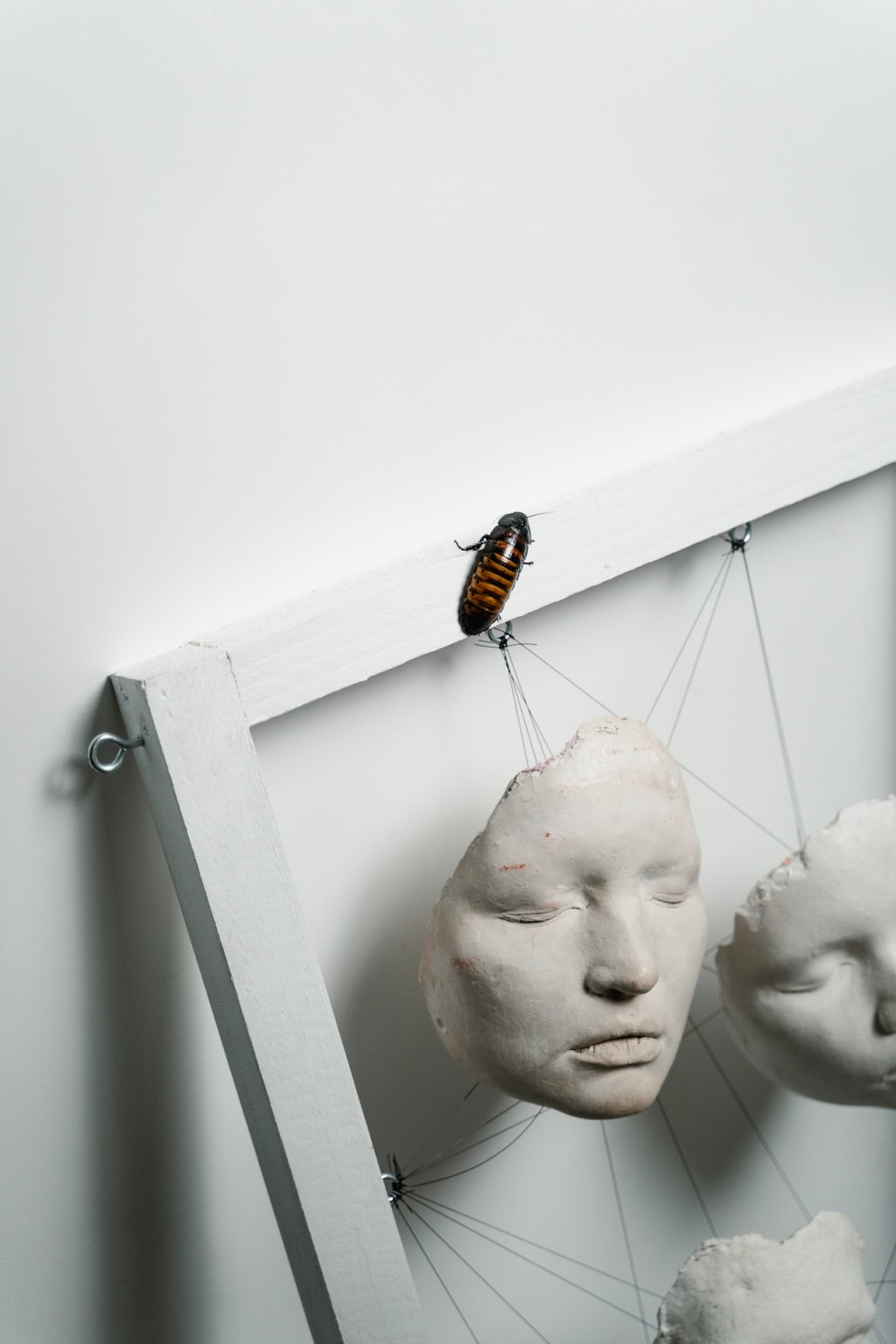
Within the pages of the Egyptian Book of the Dead, a banishment spell can be found, declaring, "Be far from me, O vile cockroach." Over 3,000 years have passed since then, yet we continue our battle to rid ourselves of these insects. Despite our efforts, from poison traps to hastily brandished slippers, cockroaches persist, seemingly unfazed by our attempts. What makes them so incredibly challenging to eliminate?
There exist nearly 5,000 cockroach species, with 99% of them inhabiting a range of diverse habitats, where they fulfill essential ecological roles. These roles include recycling dead or decaying organic matter, providing nourishment for other animals. However, a few dozen species have adapted to thrive in close association with humans. Among the most common are the German and American cockroaches, owed their resilience to a combination of physical and chemical adaptations.
When confronted with conventional removal methods, cockroaches prove alarmingly tenacious. The sensory hairs or structures of an American cockroach detect subtle air currents, swiftly relaying signals to its central nervous system. In a matter of milliseconds, the roach can turn and sprint away, making it one of the fastest invertebrates ever recorded, capable of reaching speeds of up to 50 body lengths per second. To put this into perspective, it would be akin to a human running over 300 kilometers per hour.
Finding a hiding place poses no challenge for these creatures. With their flattened and flexible bodies, American cockroaches can squeeze into spaces less than a quarter of their height. Even if we manage to land a hit, they can withstand compressive forces up to 900 times their own weight by distributing the impact across their bodies.
The toughness of cockroaches extends beyond their physical attributes. They possess the ability to consume various organic matter, including hair, dead skin, adhesives, and paper, thanks to an extensive set of digestive enzymes. Their remarkable adaptability allows them to thrive in nutrient-poor environments. Despite often consuming decaying foods that are low in nitrogen, an essential component of DNA and proteins, cockroaches store nitrogen-containing waste in their bodies. A resident group of bacteria then recycles the nitrogen into useful molecules for their survival. German cockroaches even resort to consuming their own waste, vomit, and deceased colony members without hesitation. American cockroaches frolic in sewers, consuming excrement and carrying microbes like Staphylococcus aureus and E. coli, yet rarely experiencing any adverse effects. They possess genes that confer immunity against numerous pathogens, often duplicated multiple times. When infected, their immune system efficiently deploys antimicrobial molecules to combat the invaders.
Cockroaches have evolved an array of defenses against pesticides. For instance, when a non-resistant roach walks on a surface sprayed with a pyrethroid insecticide, the outcome is likely fatal. The chemical binds to sodium channel proteins, essential for propagating nerve impulses, keeping the sodium channels open, leading to repeated nerve firing and eventual death. However, resistant roaches possess genetic mutations that render their sodium channels unresponsive to pyrethroids. Moreover, they produce more detoxification enzymes that neutralize the pesticide, eliminating it as waste. Given their rapid reproductive rate, German cockroach populations can develop resistance to new pesticides within months. Currently, they exhibit resistance to 43 different chemicals.
Contrary to popular belief, cockroaches would not necessarily survive a nuclear apocalypse. Compared to other insects, their tolerance to radiation is only moderate. They would perish near nuclear explosion sites and remain severely compromised miles away. Furthermore, calamities that threaten humanity also jeopardize the habitats and food sources we provide for cockroaches. Perhaps the only way to overcome them is through mutual destruction. Alternatively, cockroaches may find even more astonishing ways to thrive long after our departure.
Henrik Leandro
About the Creator
Henrik Leandro Laukholm Solli
Free thinker, traveler and humanist <3
Keep reading
More stories from Henrik Leandro Laukholm Solli and writers in Earth and other communities.
Heart Transplantation
The human heart, beating over 100,000 times a day, tirelessly pumps five liters of blood throughout the body every minute. However, unlike resilient skin and bones, the heart has limited regenerative capabilities. Thus, severe damage to this vital organ often necessitates its replacement, leaving medical professionals with a sole solution: heart transplantation.
By Henrik Leandro Laukholm Solli3 years ago in Earth
The Problem with Invasive Plants: Identification and Responsible Removal
This scenario plays out in gardens across the continent. Many invasive plants started as intentional garden introductions, valued for their beauty, vigor, and ease of growth. Those same qualities—rapid spread, adaptability, and resilience—make them ecological threats when they escape cultivation.
By Emma Wallace6 days ago in Earth



Comments
There are no comments for this story
Be the first to respond and start the conversation.