
Unveiling the Ocean's Hidden Dangers: Fascinating Tales of Sea Creatures' Defense Strategies
Exploring the Intriguing World of Oceanic Defense Mechanisms: From Sea Cucumbers to Lionfish and Beyond

Introduction:
The vast and mysterious ocean is home to an incredible array of fascinating creatures, some of which possess unique defense strategies that leave us in awe. In this blog post, we will delve into the extraordinary world of sea cucumbers, marbled cone snails, stonefish, lionfish, and sea urchins. Prepare to be amazed as we uncover their remarkable self-defense mechanisms and the unexpected applications they hold for human health.
Sea Cucumbers: Unassuming Heroes of the Deep
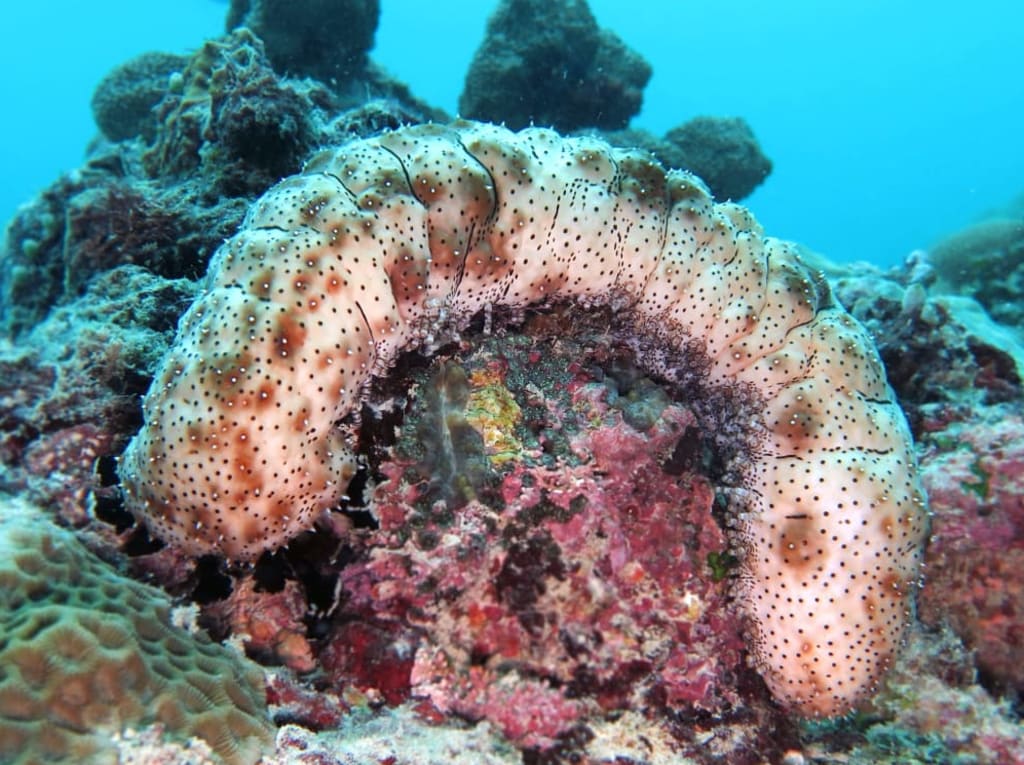
At first glance, sea cucumbers may seem squishy and defenseless, but appearances can be deceiving. Biologists have discovered that these intriguing creatures employ chemical compounds with exceptional defensive properties. Not only do these compounds protect sea cucumbers from predators, but they also possess antioxidant and anti-inflammatory properties, making them valuable for human health. Dive deeper into the world of sea cucumbers and learn how they have evolved to use these compounds to their advantage, all while avoiding self-harm.
Marbled Cone Snails: The Silent Assassins
Venture into the world of marbled cone snails, where danger lurks within their striking shells. Despite their small size, these fierce predators have an incredible hunting technique. By extending their long white tooth, they launch a poison-laden harpoon at their unsuspecting prey. Multiple strikes ensure successful immobilization, allowing the snail to feast. Discover the unique habitats where these creatures thrive and the promising potential of their venom as a potential treatment for pain.
Stonefish: Masters of Camouflage and Venom
Prepare to be astounded by the stonefish, the ocean's most venomous fish. These masters of disguise blend seamlessly into their surroundings, waiting patiently for prey to pass by. With a lightning-fast strike, they inject venom through their spines, causing excruciating pain and tissue damage to unsuspecting victims. Learn how to avoid these ninja-like creatures and the importance of seeking specialized attention if stung.
Lionfish: Elegance Meets Danger
The lionfish's mesmerizing beauty belies its dangerous nature. Armed with needle-sharp dorsal and pelvic fins, these captivating fish inject venom defensively, posing a threat to both predators and humans. However, there's a surprising solution to combat their negative impact on reef ecosystems: human consumption. Explore the delicate balance between appreciating their stunning appearance and maintaining a safe distance to avoid their venomous spines. Discover how lionfish can be safely consumed and the potential benefits it holds for reef conservation.
Sea Urchins: Beware of the Spiky Intruders
Sea urchins may appear harmless, but their spines and tiny jaw-like structures hold hidden dangers. Wandering too close to these underwater creatures can result in painful encounters. However, with awareness and caution, it's possible to navigate their presence safely. Discover practical tips to avoid sea urchin injuries and essential first aid measures to alleviate sting symptoms. Additionally, gain insight into the vital role sea urchins play in maintaining ecosystem balance.
Conclusion:
The ocean, with its vast expanse and intricate ecosystems, is a treasure trove of extraordinary creatures. The sea cucumber's chemical compounds, the marbled cone snail's venom, the stonefish's camouflage and venom, the lionfish's elegant yet dangerous fins, and the sea urchin's formidable spines all showcase the wonders and perils of underwater life. As we explore these unique defense strategies, let us appreciate the beauty and resilience of these creatures while treading cautiously through their mesmerizing realm.
About the Creator
Chika Okeke
Passionate writer igniting minds and touching hearts through compelling storytelling.
Keep reading
More stories from Chika Okeke and writers in Earth and other communities.
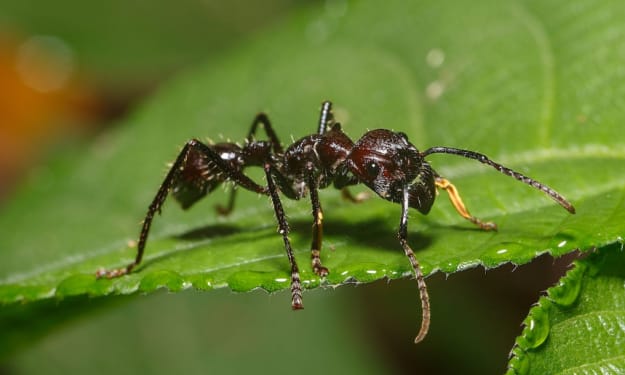
Unveiling the Mysteries of Bullet Ant Venom: Fascinating Research Revealed
Introduction: Bullet ants (Paraponera clavata) have gained worldwide recognition for their excruciating sting, often likened to being shot by a bullet. These formidable ants have fascinated scientists, with Dr. Corrie Moreau, an esteemed ant curator and expert, leading groundbreaking research in this field. Join us as we delve into Dr. Moreau's captivating journey and her quest to extract valuable venom from bullet ants, exploring the secrets of bullet ant venom and its potential implications.
By Chika Okeke3 years ago in Education
Oil Market is Volatile Again: What It Means for Global Energy and Traders
Global energy markets are once again at the center of attention after the United States introduced a temporary waiver allowing the purchase of certain Russian oil shipments that were already stranded at sea. The move has sparked intense discussions across financial markets, energy sectors, and geopolitical circles.
By Daniel Reid3 days ago in Earth


Comments
There are no comments for this story
Be the first to respond and start the conversation.