
Unveiling the Methane Mystery:
Exploring the Impact of Greenhouse Gases on Climate Change
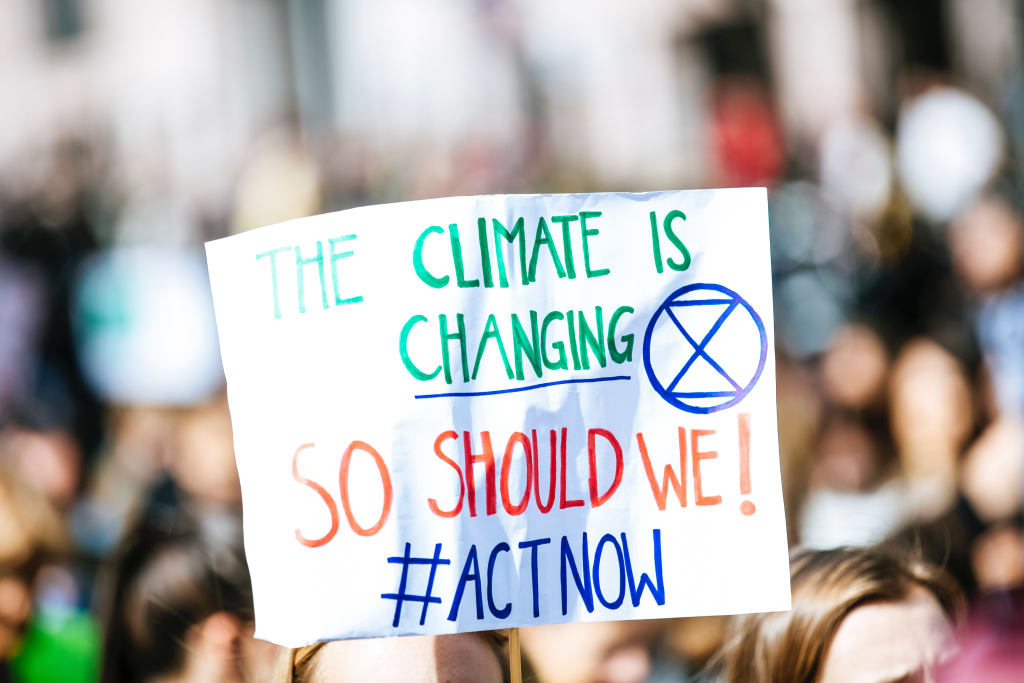
Unveiling the Methane Mystery: Exploring the Impact of Greenhouse Gases on Climate Change
Image Source: FreeImages
## Introduction to Greenhouse Gases and Climate Change
Climate change is one of the most pressing issues of our time, and understanding the role of greenhouse gases in this phenomenon is crucial. Greenhouse gases, including methane, play a significant role in trapping heat in the Earth's atmosphere and contributing to global warming. In this article, we will delve into the details of methane as a greenhouse gas and explore its impact on climate change.
Understanding Methane as a Greenhouse Gas
Methane is a potent greenhouse gas that is released into the atmosphere through both natural and human activities. It is primarily generated by the decomposition of organic matter in wetlands, livestock farming, and the extraction and transport of fossil fuels. Methane has a much higher heat-trapping potential than carbon dioxide (CO2), making it a significant contributor to global warming.
Sources of Methane in the Atmosphere
There are various sources of methane emissions in the atmosphere. Natural sources include wetlands, termites, and oceans, while human activities contribute through processes such as livestock farming, rice cultivation, and the extraction and distribution of coal, oil, and natural gas. The burning of biomass and waste also releases methane into the atmosphere. It is important to understand and address these sources to effectively mitigate the impact of methane on climate change.
Methane vs CO2: A Comparison of Their Impact on Climate Change
While carbon dioxide is the most well-known greenhouse gas, methane should not be overlooked. Although CO2 is responsible for the majority of long-term warming, methane has a much stronger warming effect in the short term. In fact, methane is estimated to have a heat-trapping potential more than 25 times greater than that of CO2 over a 100-year period. This means that reducing methane emissions can have a significant and immediate impact on slowing down the rate of global warming.
The Global Warming Potential of Methane
The global warming potential (GWP) is a measure of how much heat a greenhouse gas can trap in the atmosphere over a specific time period compared to CO2. Methane has a GWP of 28-36 over a 100-year timeframe, meaning it has 28 to 36 times the warming potential of CO2. However, it is important to note that methane has a shorter lifespan in the atmosphere compared to CO2, which can span centuries. Despite its shorter lifespan, methane's higher GWP makes it a critical target for emissions reduction strategies.
The Environmental Effects of Methane
The release of methane into the atmosphere not only contributes to global warming but also has several indirect environmental effects. Methane emissions can lead to the formation of ground-level ozone, a harmful air pollutant that can damage human health and vegetation. Additionally, methane can contribute to the acidification of oceans, impacting marine ecosystems and biodiversity. Addressing methane emissions is essential to mitigate these environmental effects and protect our planet.
Measures to Reduce Methane Emissions
Reducing methane emissions requires a multi-faceted approach that targets both natural and human-made sources. Implementing methane capture technologies in agriculture, landfills, and energy production can help prevent the release of methane into the atmosphere. Improving waste management practices, promoting sustainable agriculture, and minimizing leakage during the extraction and transport of fossil fuels are also effective strategies. Collaboration between governments, industries, and individuals is crucial to successfully implement these measures.
Methane Regulations and Policies
Recognizing the urgency of addressing methane emissions, many countries have established regulations and policies to reduce their impact. These include setting emission targets, implementing stricter regulations on agricultural practices, promoting the use of renewable energy sources, and incentivizing the adoption of cleaner technologies. International agreements such as the Paris Agreement also play a vital role in encouraging global cooperation to combat climate change and reduce methane emissions.
The Role of Methane in Future Climate Change Scenarios
As the world continues to grapple with the effects of climate change, understanding the role of methane becomes increasingly important. Future climate change scenarios heavily depend on our ability to reduce greenhouse gas emissions, including methane. By implementing effective mitigation strategies, we can slow down the rate of global warming and mitigate the severe consequences that climate change poses to our planet.
Conclusion: The Importance of Addressing Methane Emissions for Mitigating Climate Change
Addressing methane emissions is a crucial step in mitigating climate change and its devastating effects. Methane, as a potent greenhouse gas, significantly contributes to global warming and has various environmental impacts. By understanding the sources of methane emissions, implementing measures to reduce them, and supporting regulations and policies, we can make a significant difference in combating climate change. It is our collective responsibility to take action and prioritize the reduction of methane emissions for a sustainable and habitable future.
CTA: Join the global effort to combat climate change by educating yourself and others about the impact of methane emissions. Take action in your daily life to reduce your carbon footprint and support policies that prioritize the reduction of greenhouse gases. Together, we can make a difference in preserving our planet for future generations.
About the Creator
Keep reading
More stories from writers in Earth and other communities.
“Painful Times in My Marriage” — Melinda French Gates Reacts to Ex-Husband in Epstein Files
Public attention has intensified after comments attributed to Melinda French Gates referenced “painful times” in her marriage while discussions surrounding documents connected to Jeffrey Epstein continue to surface in public discourse. The situation has reignited conversations about accountability, public image, and the long-lasting impact of associations with controversial figures.
By Aarif Lashari4 days ago in Earth
Choose Your Own Adventure: St Helena Station
*****Preface***** I have been obsessed with Choose Your Own Adventure stories since I was a kid. I credit them with my love of reading and writing. I've been struggling to get my own kids to embrace words the same way I have but they love video games and our occasional Dungeon's and Dragon's game... which gave me an idea. I'll write an interactive story. So far its working; my middle son loves it and can't wait for the next section to come out.
By Sandor Szabo4 days ago in Fiction




Comments
There are no comments for this story
Be the first to respond and start the conversation.