
Polar Vortex Collapse Forecast: What It Means for Extreme Weather and Daily Life
Scientists warn that a weakening polar vortex could trigger extreme cold waves, heavy snowfall, and widespread disruption across major regions.
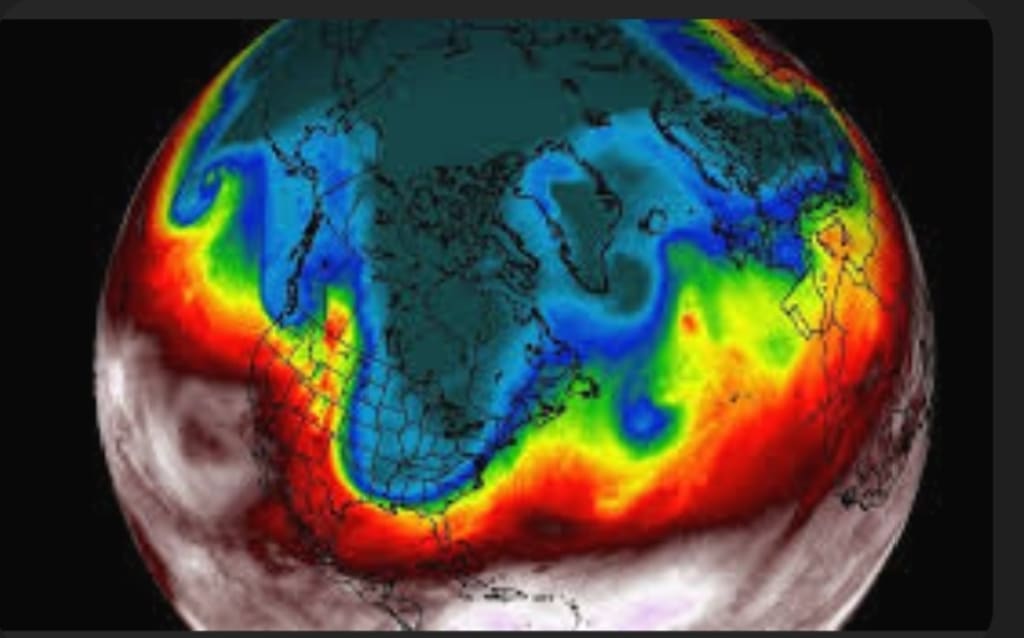
In recent years, extreme weather events have become more frequent and unpredictable. From record-breaking heatwaves to sudden snowstorms, climate patterns are shifting in ways that challenge scientists and policymakers alike. Now, meteorologists are closely watching another powerful phenomenon: a possible polar vortex collapse.
Forecast models suggest that disruptions in the polar vortex could soon impact large parts of North America, Europe, and Asia. If confirmed, this event may trigger intense cold spells, heavy snowfall, and unusual weather patterns, affecting millions of people.
But what exactly is the polar vortex, why does it collapse, and how could it impact everyday life? Here is a detailed look at this critical weather development.
Understanding the Polar Vortex
The polar vortex is a massive area of cold, low-pressure air that circles the Earth’s poles in the upper atmosphere, particularly in the stratosphere. It acts like a giant weather shield, keeping freezing Arctic air locked in the polar regions during winter.
Under normal conditions, the vortex remains strong and stable, spinning in a tight circular pattern. This keeps cold air confined to the north and allows milder weather to dominate lower latitudes.
However, when the polar vortex weakens or destabilizes, it can split or shift. This allows Arctic air to escape southward, bringing extreme cold to regions that are normally temperate.
This process is commonly referred to as a polar vortex collapse or sudden stratospheric warming (SSW) event.
What Causes a Polar Vortex Collapse?
Several factors can contribute to the weakening or collapse of the polar vortex:
1. Sudden Stratospheric Warming
One of the main triggers is sudden stratospheric warming. During this event, temperatures in the upper atmosphere rise rapidly—sometimes by 50 degrees Celsius within days. This warming disrupts the vortex’s structure, causing it to weaken or split.
2. Atmospheric Pressure Changes
High-pressure systems in the lower atmosphere can push upward, disturbing the vortex from below. These pressure waves interfere with its circular flow and reduce its strength.
3. Ocean and Climate Patterns
Large-scale climate systems like El Niño and La Niña can influence atmospheric circulation. These patterns affect wind flows and temperature gradients, which may indirectly weaken the polar vortex.
4. Arctic Warming
Scientists also point to rapid warming in the Arctic region. As polar temperatures rise faster than the global average, the temperature difference between the Arctic and lower latitudes decreases. This weakens jet stream winds, making the vortex more unstable.
What Does the Forecast Say?
Recent climate models and satellite observations indicate unusual warming in the stratosphere over the Arctic. Meteorologists are monitoring signs that the polar vortex could weaken significantly in the coming weeks.
If the trend continues, it may lead to:
A split of the vortex into smaller systems
Southward movement of cold air masses
Increased weather volatility
Prolonged winter conditions in some regions
While scientists caution that forecasts are still evolving, the risk of major disruptions is considered higher than normal.
Potential Impacts on Weather
A polar vortex collapse can dramatically alter weather patterns across continents.
1. Extreme Cold Waves
The most immediate effect is severe cold. Regions such as the United States, Canada, Europe, and parts of Asia may experience temperatures far below seasonal averages.
Past vortex collapses have led to dangerous wind chills, frozen infrastructure, and record-low temperatures.
2. Heavy Snowfall and Ice Storms
When cold Arctic air mixes with moisture from warmer regions, it can produce intense snowstorms and freezing rain. These conditions often lead to road closures, flight cancellations, and power outages.
3. Stormy and Unstable Weather
Disrupted jet streams can create erratic weather patterns. Some areas may face repeated storms, while others experience unusual warmth followed by sudden freezes.
4. Prolonged Winter Conditions
In some cases, cold air becomes trapped over certain regions, causing winter-like conditions to persist well into spring.
Impact on Daily Life and Economy
The consequences of a polar vortex collapse extend beyond weather reports.
Public Health
Extreme cold increases the risk of hypothermia, frostbite, and respiratory illnesses. Elderly people, children, and homeless populations are particularly vulnerable.
Hospitals often see a rise in emergency cases during severe cold events.
Transportation and Infrastructure
Frozen roads, damaged rail lines, and grounded flights disrupt travel and commerce. Power grids may struggle to meet heating demands, increasing the risk of blackouts.
Agriculture and Food Supply
Cold waves can damage crops, kill livestock, and delay planting seasons. This may lead to higher food prices and supply shortages.
Energy Consumption
Heating demand rises sharply during cold spells. This puts pressure on gas and electricity systems and can increase household energy bills.
Is Climate Change Playing a Role?
Scientists continue to debate the exact relationship between climate change and polar vortex behavior. However, many studies suggest that Arctic warming is making the vortex more unstable.
As ice melts and temperatures rise in polar regions, traditional wind patterns weaken. This allows cold air to escape more easily, increasing the frequency of extreme winter events in mid-latitude regions.
Paradoxically, global warming can contribute to more intense cold spells in certain areas.
How Governments and Communities Are Preparing
Authorities are taking precautionary measures in response to the forecast.
These include:
Strengthening emergency response systems
Stockpiling heating supplies
Issuing early weather warnings
Preparing shelters for vulnerable populations
Inspecting power and water infrastructure
Meteorological agencies are also increasing monitoring efforts to provide timely updates.
Public awareness campaigns encourage citizens to prepare emergency kits, insulate homes, and check on neighbors during severe cold periods.
What Can Individuals Do?
While large-scale weather systems are beyond human control, individuals can take practical steps to stay safe:
Follow official weather updates
Keep warm clothing and blankets ready
Protect water pipes from freezing
Maintain emergency food and medicine supplies
Limit outdoor exposure during extreme cold
Check heating systems in advance
Preparation can significantly reduce risks and discomfort during harsh conditions.
Looking Ahead: Uncertain but Critical
Predicting the exact impact of a polar vortex collapse remains challenging. Some events cause brief cold spells, while others lead to weeks of disruption.
Meteorologists emphasize that continuous monitoring is essential. Improved satellite technology and climate models have made forecasts more accurate, but uncertainty remains.
What is clear, however, is that such events are becoming more relevant in a changing climate.
Conclusion: A Weather Warning for Modern Times
The forecast of a potential polar vortex collapse serves as a reminder of how powerful and interconnected Earth’s climate systems are. A disturbance thousands of miles away in the upper atmosphere can reshape weather patterns across continents.
If the vortex weakens significantly, millions may face extreme cold, heavy snowfall, and economic challenges. Governments, communities, and individuals must remain alert and prepared.
As climate variability increases, understanding phenomena like the polar vortex is no longer just a scientific concern—it is a necessity for modern life.
About the Creator
“Painful Times in My Marriage” — Melinda French Gates Reacts to Ex-Husband in Epstein Files
Public attention has intensified after comments attributed to Melinda French Gates referenced “painful times” in her marriage while discussions surrounding documents connected to Jeffrey Epstein continue to surface in public discourse. The situation has reignited conversations about accountability, public image, and the long-lasting impact of associations with controversial figures.
By Aarif Lashari2 days ago in Earth
Beyond the Basic Green: AI's Picks for the Most Stunning Colorful Houseplants
The secret to keeping these botanical jewels radiant isn't just guesswork. By understanding light—the non-negotiable fuel for all plants—and learning to measure it, you can stop struggling and start showcasing. This guide, informed by plant care technology and horticultural expertise, will help you select and sustain the most stunning colorful houseplants.
By Emma Wallace2 days ago in Earth
The Devil's Triangle
The sails ruffled in the breeze as we cruised along. The Sea Breeze was a mid-size catamaran that sailed out of Royal Naval Dockyard in Bermuda. We had booked this trip weeks in advance and were now looking at our Captain, Spike and two boat hands. Paddy and Wilson seemed like nice guys, joking around with the passengers and telling us some stories about Bermuda that only locals would know. Their island accents sounded almost British but they were pleasant to listen to.
By Barbara Gode Wiles3 days ago in Fiction



Comments
There are no comments for this story
Be the first to respond and start the conversation.