
Unlocking the Mysteries of Solar Eclipses
A Cosmic Spectacle That Captivates the World

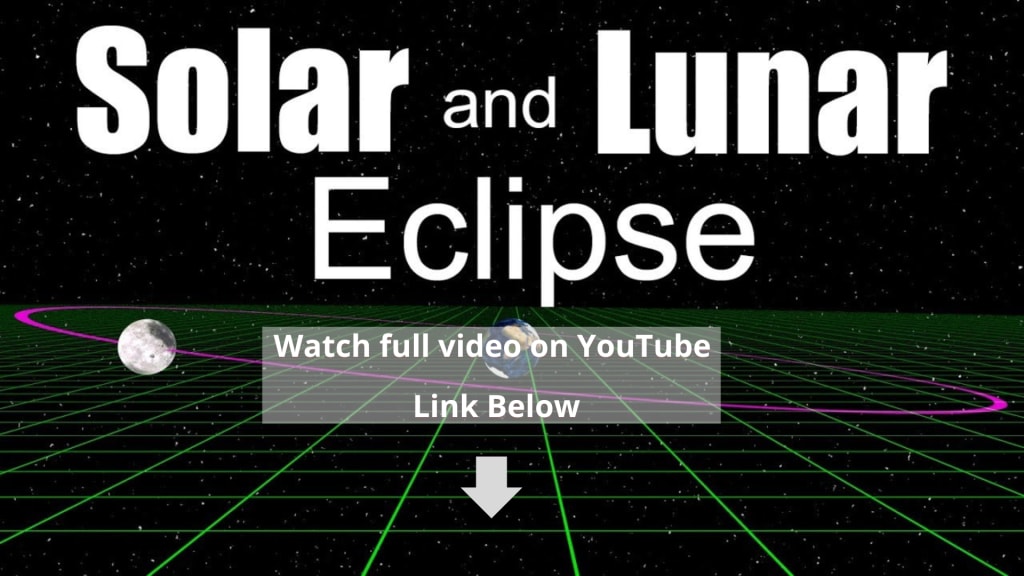
Solar eclipses are among the most awe-inspiring celestial events, captivating skywatchers and scientists alike. These rare occurrences, where the moon passes between the Earth and the sun, casting a shadow on our planet, have become a trending topic worldwide. If you’re searching for everything you need to know about solar eclipses—what they are, why they happen, and how to safely observe them—you’ve come to the right place. Dive into this comprehensive guide that not only explains the science behind solar eclipses but also helps you understand why they continue to dominate Google Trends.
What Is a Solar Eclipse? Understanding the Phenomenon
A solar eclipse occurs when the moon aligns perfectly between the Earth and the sun, temporarily blocking sunlight and creating breathtaking visual effects in the sky. This alignment is often referred to as a "syzygy," a term derived from ancient Greek meaning “yoked together.” There are three main types of solar eclipses:
Total Solar Eclipse : The moon completely covers the sun, revealing the sun's outer atmosphere, known as the corona. This type of eclipse is considered the holy grail of astronomical events.
Partial Solar Eclipse : Only a portion of the sun is obscured by the moon, creating a crescent-like appearance in the sky.
Annular Solar Eclipse : The moon appears smaller than the sun due to its distance from Earth, leaving a ring of sunlight visible around the edges—a phenomenon often called the “ring of fire.”
Understanding these distinctions is crucial for anyone interested in observing or photographing solar eclipses safely.
Why Do Solar Eclipses Happen? The Science Behind the Magic
The mechanics of a solar eclipse are rooted in the orbital dynamics of the Earth, moon, and sun. For an eclipse to occur, all three celestial bodies must align perfectly in a straight line. However, because the moon’s orbit is tilted relative to Earth’s orbit around the sun, eclipses don’t happen every month. Instead, they occur during specific periods known as "eclipse seasons," which happen roughly twice a year.
This rarity makes solar eclipses highly sought-after events for both amateur astronomers and casual observers. In fact, millions of people search for terms like “when is the next solar eclipse” or “how to watch a solar eclipse safely,” making it a recurring topic on Google Trends.
How to Safely Observe a Solar Eclipse Without Risking Your Eyesight
One of the most critical aspects of experiencing a solar eclipse is protecting your eyes. Staring directly at the sun—even during an eclipse—can cause permanent damage to your retina, leading to vision loss. To ensure safe viewing, follow these expert tips:
Use Eclipse Glasses : Invest in ISO-certified solar eclipse glasses designed to block harmful ultraviolet (UV) and infrared rays.
Pinhole Projectors : Create a DIY pinhole projector using simple materials like cardboard or paper to indirectly view the eclipse.
Telescopes with Solar Filters : If you’re an avid stargazer, equip your telescope with a proper solar filter to magnify the spectacle safely.
By prioritizing eye safety, you can fully immerse yourself in the wonder of a solar eclipse without compromising your health.
Upcoming Solar Eclipses: Mark Your Calendar!
If you’re eager to witness a solar eclipse firsthand, here’s a list of upcoming events you won’t want to miss:
April 8, 2024 : Known as the "Great North American Eclipse," this total solar eclipse will traverse parts of Mexico, the United States, and Canada. It’s already being hailed as one of the most anticipated astronomical events of the decade.
October 2, 2024 : An annular solar eclipse will grace the skies over the Pacific Ocean and parts of South America.
Future Dates : Keep an eye out for more eclipses scheduled throughout the 2020s, including those in 2026, 2027, and beyond.
Marking these dates on your calendar ensures you’ll be ready to experience the magic of a solar eclipse firsthand—and share it with friends and family.
Why Are Solar Eclipses Trending on Google? Unpacking Their Global Appeal
The enduring fascination with solar eclipses stems from their blend of scientific intrigue and cultural significance. Throughout history, civilizations have interpreted solar eclipses as omens, divine messages, or supernatural phenomena. Today, modern technology allows us to predict and study these events with unprecedented accuracy, fueling widespread curiosity.
Search queries such as “why do solar eclipses occur,” “best places to see a solar eclipse,” and “how long does a solar eclipse last” consistently rank high on Google Trends. This surge in interest reflects humanity’s timeless desire to connect with the cosmos and understand our place within it.
Tips for Photographing a Solar Eclipse Like a Pro
Capturing the beauty of a solar eclipse requires preparation and the right equipment. Here’s how to take stunning photos of this celestial marvel:
Invest in a Solar Filter : Attach a solar filter to your camera lens to prevent damage and ensure crisp images.
Use a Tripod : Stability is key to avoiding blurry shots, especially during long exposures.
Experiment with Settings : Adjust your camera’s ISO, aperture, and shutter speed to capture the intricate details of the corona and surrounding landscape.
Whether you’re a seasoned photographer or a beginner, these tips will help you document the moment in stunning detail.
Conclusion: Embrace the Wonder of Solar Eclipses
Solar eclipses remind us of the universe’s vastness and mystery, offering a fleeting yet unforgettable glimpse into the workings of our solar system. As these events continue to trend globally, now is the perfect time to deepen your understanding and prepare for the next cosmic spectacle.
From learning about the science behind solar eclipses to mastering safe observation techniques, this guide equips you with everything you need to make the most of these extraordinary moments. So, whether you’re planning to travel to witness the Great North American Eclipse in 2024 or simply curious about the phenomenon, let the allure of solar eclipses inspire your sense of wonder.
Don’t forget to bookmark this page and share it with fellow eclipse enthusiasts. Together, we can celebrate the beauty of the cosmos while staying informed and prepared for the next celestial show!
About the Creator
omar mer
"Passionate photographer and designer, I capture the world through my lens and bring visions to life. Blending creativity and strategy, I craft compelling visual stories that leave a lasting impression and create deep connections."




Comments
There are no comments for this story
Be the first to respond and start the conversation.