
Unleashing Nature's Fury: Understanding and Surviving Natural Disasters
"Exploring the Devastating Power of Mother Nature and Navigating the Path to Resilience"

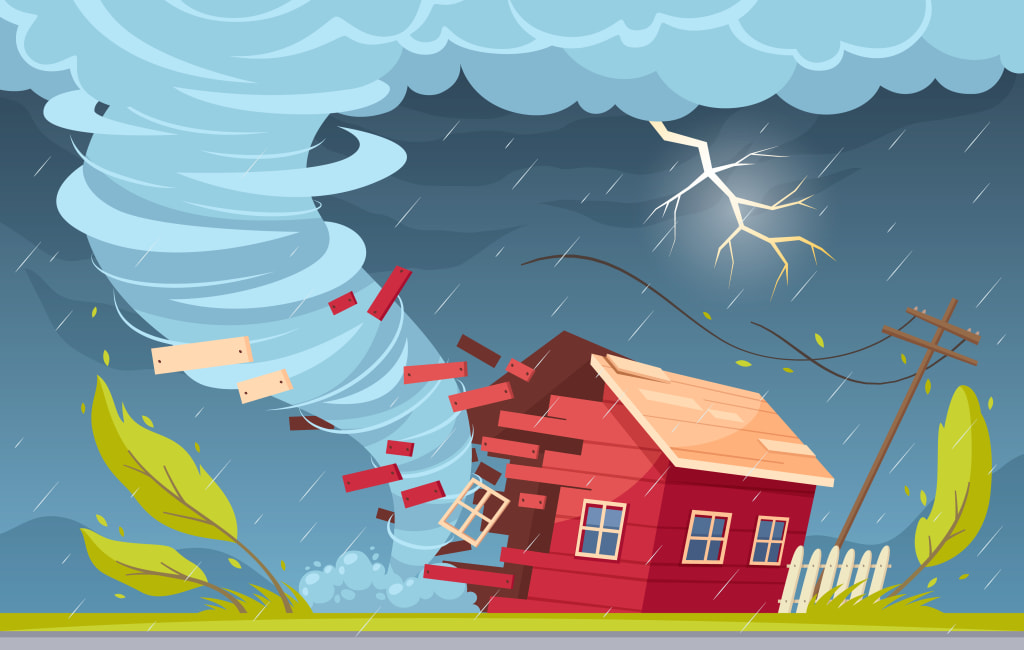
Certainly! Natural disasters are events or phenomena that occur in the Earth's natural environment and can cause significant damage and loss of life. These disasters are typically caused by natural forces and can have devastating effects on human populations and the environment. Here are some common types of natural disasters:
Hurricanes/Tropical Cyclones: These are powerful storms that form over warm ocean waters and can cause high winds, heavy rainfall, storm surges, and flooding in coastal areas.
Earthquakes: Earthquakes occur when there is a sudden release of energy in the Earth's crust, resulting in ground shaking. They can cause buildings and infrastructure to collapse, leading to casualties and widespread destruction.
Tsunamis: Tsunamis are large ocean waves triggered by undersea earthquakes, volcanic eruptions, or landslides. When they reach coastal areas, they can cause extensive damage and loss of life.
Floods: Floods can be caused by heavy rainfall, melting snow, or dam failure. They result in the overflowing of rivers and can lead to the inundation of low-lying areas, destruction of property, and displacement of people.
Tornadoes: Tornadoes are powerful rotating columns of air that extend from severe thunderstorms to the ground. They can cause significant damage to structures and pose a threat to life.
Wildfires: Wildfires are uncontrolled fires that spread rapidly through forests, grasslands, or other areas with combustible vegetation. They can destroy vast areas of land, wildlife habitats, and homes.
Volcanic Eruptions: Volcanic eruptions occur when molten rock, ash, and gases are expelled from a volcano. They can cause ashfall, lava flows, mudslides, and release harmful gases into the atmosphere, impacting human health and the environment.
Droughts: Droughts are prolonged periods of abnormally low rainfall, resulting in water scarcity and damage to agriculture, ecosystems, and economies. They can lead to crop failure, famine, and displacement of populations.
Landslides: Landslides occur when masses of rock, soil, or debris move downhill rapidly. They can be triggered by heavy rainfall, earthquakes, or human activities. Landslides can destroy infrastructure, bury communities, and cause casualties.
Heatwaves: Heatwaves are prolonged periods of excessively hot weather, often accompanied by high humidity. They can pose health risks, especially for vulnerable populations, and lead to drought conditions and wildfires.
These are just a few examples of natural disasters, and there are other types as well. Preparedness, early warning systems, and effective response strategies are crucial in minimizing the impact of natural disasters on human lives and infrastructure.
Natural disasters, such as hurricanes, earthquakes, tsunamis, and wildfires, are natural events that occur as part of the Earth's dynamic processes. They are not something that can be eliminated or stopped entirely.
However, what we can do is focus on mitigating the impacts and building resilience in the face of natural disasters. Here are some key approaches:
Preparedness and Early Warning Systems: Developing robust early warning systems that can detect and provide timely alerts for impending natural disasters is crucial. This allows individuals and communities to take preventive measures, evacuate if necessary, and minimize the loss of life.
Land Use Planning and Building Codes: Implementing proper land use planning and building codes can reduce vulnerability to natural disasters. For example, constructing buildings and infrastructure that are designed to withstand seismic activity or building in safe zones away from flood-prone areas.
Ecosystem Conservation and Restoration: Healthy ecosystems, such as wetlands, forests, and coral reefs, can act as natural buffers against natural disasters. Conserving and restoring these ecosystems helps in reducing the impacts of floods, erosion, and storm surges.
Infrastructure Resilience: Designing and constructing infrastructure to be more resilient can help withstand the impacts of natural disasters. This includes considering factors such as flood-resistant bridges, hurricane-resistant power grids, and reinforced buildings.
Education and Awareness: Educating communities about the risks, impacts, and preparedness measures related to natural disasters is essential. Raising awareness about evacuation routes, emergency kits, and disaster response plans can save lives and minimize damage.
International Collaboration: Collaboration and information-sharing among countries can contribute to effective disaster response and recovery. International organizations and initiatives can provide support, resources, and expertise to help countries affected by natural disasters.
It's important to recognize that while we can't eliminate natural disasters entirely, taking proactive measures and investing in disaster preparedness and resilience can significantly reduce their impacts and enhance the safety and well-being of communities at risk.
About the Creator
Anaz
Earth Related Topics
Green Earth: Nurturing Our Planet for a Sustainable Future
“Do Not Copy This Site’s Content”: Why Originality Matters More Than Ever in the Digital Age
“Do not copy this site’s content.” It’s a warning most internet users have seen countless times, often at the bottom of webpages or buried in terms and conditions. Many scroll past it without a second thought. But in today’s digital world, that simple sentence carries far more weight than people realize.
By Muhammad Hassan6 days ago in Earth



Comments (1)
I like the images •‿•