
Unidentified flying object • NASA • Extraterrestrial life
The topics of unidentified flying objects (UFOs), NASA, and extraterrestrial life have been of interest to many people for a long time. Here's some information on each of these topics:

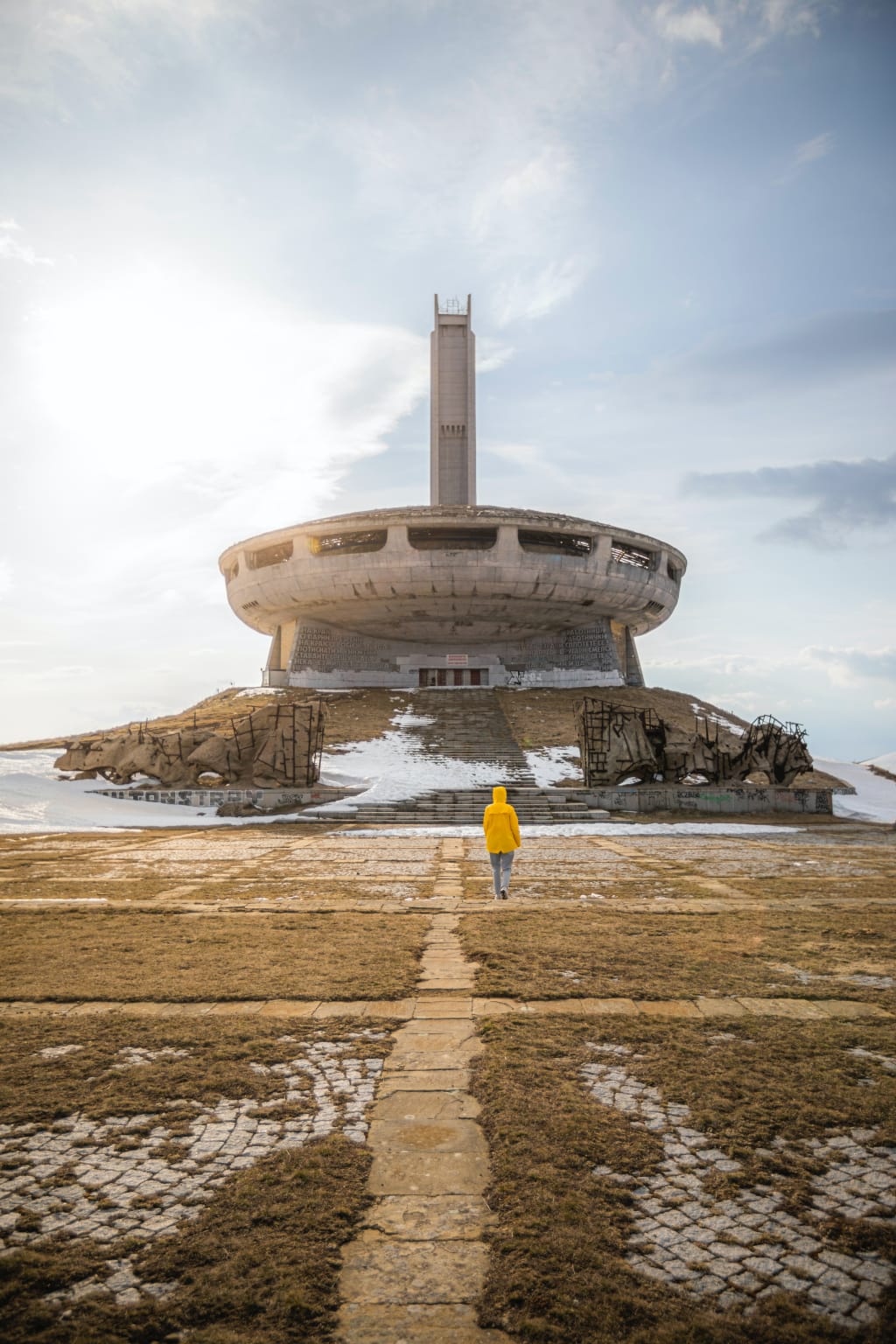
1.UNIDENTIFIED FLYING OBJECT (UFO):
• A UFO refers to any object or phenomenon observed in the sky that cannot be easily identified or explained.
• UFO sightings have been reported by individuals worldwide, and many have speculated that some of these sightings could be attributed to extraterrestrial spacecraft.
• However, it's important to note that the term "UFO" simply means that an object is unidentified and does not necessarily imply the existence of extraterrestrial life.
Here are some key points regarding UFOs:
Sightings and Reports: UFO sightings occur worldwide, with individuals reporting objects or lights in the sky that they cannot easily identify. These reports can range from simple lights to more complex descriptions of structured craft exhibiting unusual flight patterns or speeds.
Potential Explanations: UFOs can have various explanations. Many sightings can be attributed to misidentifications of conventional objects or phenomena, such as aircraft, weather balloons, astronomical objects, or atmospheric phenomena like clouds, meteors, or unusual lighting effects. Other sightings may be influenced by hoaxes, optical illusions, or psychological factors.
Unexplained Cases: While the majority of UFO sightings have conventional explanations, a small percentage remains unexplained after investigation. These cases involve credible witnesses, multiple sightings, radar or photographic evidence, or other supporting data that cannot easily be dismissed. These unexplained cases continue to fuel curiosity and ongoing investigation.
Scientific Study: Some scientists and organizations conduct research into UFO phenomena to better understand the nature of the sightings and identify potential explanations. These investigations often involve analyzing data, conducting interviews, examining witness testimonies, and applying rigorous scientific methods to separate credible evidence from hoaxes or misinterpretations.
Government Involvement: Governments have shown varying levels of interest in UFOs. Some countries have declassified and released previously classified documents related to UFO sightings and investigations. For example, the U.S. government's Advanced Aerospace Threat Identification Program (AATIP) studied UFO reports and their potential national security implications. The release of such information has sparked public discourse and debate.
It's important to approach the topic of UFOs with skepticism and critical thinking, analyzing each case on its own merits. While UFOs represent unidentified objects, it's essential to distinguish between unexplained sightings and claims of extraterrestrial visitation. Scientific investigation continues to play a role in understanding these phenomena and separating fact from fiction.
2.NASA (National Aeronautics and Space Administration):
• NASA is a United States government agency responsible for the nation's civilian space program and for the research and exploration of space.
• NASA conducts various missions to study the Earth, our solar system, and beyond.
• While NASA's primary focus is scientific exploration and research, there have been instances where NASA has been involved in the investigation of potential UFO sightings.
NASA, which stands for the National Aeronautics and Space Administration, is a United States government agency responsible for the nation's civilian space program. It was established on July 29, 1958, by the National Aeronautics and Space Act signed into law by President Dwight D. Eisenhower. NASA's primary mission is to conduct space exploration, scientific research, and technological advancements in the field of aerospace.
Here are some key aspects of NASA's work:
Space Exploration: NASA has been at the forefront of human space exploration, sending astronauts to space and conducting missions to explore celestial bodies. Some notable NASA missions include the Apollo moon landings, the Mars Rover missions, and the ongoing International Space Station (ISS) program.
Scientific Research: NASA conducts scientific research to expand our understanding of the Earth, the solar system, and the universe. This includes studying Earth's climate, weather patterns, and natural resources, as well as investigating other planets, moons, and celestial phenomena.
Technological Advancements: NASA develops advanced technologies for space exploration, satellite systems, and aeronautics. Many of these technological advancements have had practical applications in various industries, including medicine, communications, and transportation.
Education and Outreach: NASA plays an active role in promoting science, technology, engineering, and mathematics (STEM) education. The agency engages with students, educators, and the public through various programs, initiatives, and educational resources to inspire the next generation of scientists, engineers, and astronauts.
International Collaboration: NASA collaborates with space agencies from other countries to foster international cooperation in space exploration. The International Space Station (ISS) is a prime example of such collaboration, involving multiple countries working together to conduct research and maintain a habitable space laboratory.
NASA's achievements include the Apollo moon landings, the Space Shuttle program, the Hubble Space Telescope, the Mars rovers (Curiosity, Perseverance), and ongoing missions to study Earth, our solar system, and beyond.
By pushing the boundaries of scientific knowledge and technological capabilities, NASA continues to pave the way for future space exploration and contribute to our understanding of the universe.
3.EXTRATERRESTRIAL LIFE :
• Extraterrestrial life refers to life that exists outside of Earth.
• The possibility of life existing elsewhere in the universe has long intrigued scientists and the general public.
• Scientists have discovered planets in the habitable zone of other star systems, known as exoplanets, and continue to search for signs of life beyond Earth.
• NASA and other space agencies have launched missions, such as the Mars Rover missions, to explore the potential for microbial life on other planets or moons within our own solar system.
Here are some key points related to the topic of extraterrestrial life:
Extremophiles and Life on Earth: Scientists have discovered that life can exist in extreme and seemingly inhospitable environments on Earth. These organisms, known as extremophiles, thrive in environments such as deep-sea hydrothermal vents, acidic lakes, or freezing Arctic regions. The existence of extremophiles suggests that life may have the potential to adapt and survive in extreme conditions elsewhere in the universe.
Habitability of Other Planets and Moons: Scientists have identified several celestial bodies within our own solar system that could potentially harbor life. For example, Mars has been a subject of intense study, with missions such as the Mars rovers searching for signs of past or present microbial life. Similarly, the moons Europa (orbiting Jupiter) and Enceladus (orbiting Saturn) have subsurface oceans that might provide suitable conditions for life.
Exoplanets and the Search for Habitable Worlds: Over the past couple of decades, the discovery of exoplanets (planets outside our solar system) has accelerated significantly. Many of these exoplanets are located within the habitable zone of their host stars, where conditions might be favorable for liquid water and potentially life as we know it. Scientists use various methods, including the transit and radial velocity methods, to detect and study exoplanets.
SETI and the Search for Extraterrestrial Intelligence: The Search for Extraterrestrial Intelligence (SETI) is a scientific endeavor focused on detecting signals or evidence of technological civilizations beyond Earth. SETI involves listening for radio signals or other potential signs of intelligent communication originating from other star systems.
Astrobiology and Space Missions: Astrobiology is an interdisciplinary field that combines biology, chemistry, physics, and astronomy to study the origin, evolution, and potential distribution of life in the universe. Space missions, such as the upcoming James Webb Space Telescope and future missions to Mars, Europa, and other celestial bodies, will provide valuable data and insights into the potential for extraterrestrial life.
It's important to note that while there have been numerous UFO sightings and claims of encounters with extraterrestrial beings, there is currently no conclusive scientific evidence to support the existence of extraterrestrial life visiting Earth. Scientists continue to search for signs of life and explore the mysteries of the universe through space exploration and research.
About the Creator
Ajix_xh
Seewy >>>
creative & direction
rune : Ajix_xh
chennai | India | 📍
Officially confirmed : heavy snow begins late tonight as weather alerts warn of major disruptions, travel chaos, and dangerous conditions
Meteorological authorities have officially confirmed that a powerful winter storm will begin bringing heavy snowfall late tonight, prompting widespread weather alerts and warnings of major disruption across several regions. Forecasters say the system is expected to intensify rapidly overnight, creating hazardous travel conditions, possible power outages, and significant delays to public transportation. The national weather service issued multiple advisories on Tuesday afternoon, urging residents to prepare for what could be one of the most disruptive snow events of the season. Snowfall rates of up to two inches per hour are possible in some areas, accompanied by strong winds that could lead to blizzard-like conditions. Storm System Strengthens Overnight According to meteorologists, the storm system is moving in from the northwest and will collide with a mass of cold air already settled over much of the region. This combination is expected to produce heavy, wet snow in lower elevations and lighter, powdery snowfall in higher areas. “The timing is particularly concerning because the heaviest snow is expected during the overnight and early morning hours,” said a senior forecaster. “That increases the risk of accidents during the morning commute and makes road treatment more difficult.” Snow is forecast to begin shortly before midnight, with accumulation accelerating through the early morning. Some regions could see between 8 and 14 inches of snow by midday tomorrow, while mountain communities may receive significantly more. Travel Disruptions and Road Closures Expected Transportation officials have warned that highways, secondary roads, and rural routes could become impassable. Snowplows and salt trucks have been placed on standby, and emergency response teams are preparing for a high volume of calls. Major airports have already announced the possibility of flight delays and cancellations, advising passengers to check their schedules before heading to terminals. Rail operators are also preparing for service disruptions due to icy tracks and reduced visibility. “Even well-treated roads can become dangerous very quickly under this kind of snowfall,” said a spokesperson for the transport authority. “We strongly recommend avoiding non-essential travel until conditions improve.” Local police departments are urging drivers to carry emergency kits, including blankets, food, and flashlights, in case vehicles become stranded. Schools and Businesses Prepare for Closures Several school districts have indicated that remote learning or delayed openings may be announced depending on overnight conditions. Universities and government offices are reviewing contingency plans as the storm approaches. Businesses in heavily affected areas are preparing for reduced staffing and possible temporary closures. Grocery stores reported increased demand for bread, milk, batteries, and heating supplies as residents stocked up in advance of the storm. “We saw a rush this afternoon,” said one store manager. “People remember what happened during the last storm and don’t want to be caught unprepared.” Risk of Power Outages Utility companies are warning that the combination of heavy snow and gusty winds could bring down power lines and tree branches. Crews have been placed on emergency schedules to respond quickly to outages. The risk is especially high in areas where snow is expected to be wet and heavy, placing additional strain on infrastructure. “We’re ready to respond, but restoration times may be longer if roads are blocked or visibility is poor,” a utility company statement said. Residents are being advised to charge electronic devices, prepare alternative heating options if safe, and keep flashlights and batteries accessible. Emergency Services on High Alert Hospitals and emergency responders are bracing for an increase in weather-related injuries, including slips and falls, car accidents, and exposure-related health issues. Officials are reminding people to check on elderly neighbors and those with medical conditions who may need assistance. Homeless shelters have expanded capacity in several cities to accommodate those seeking refuge from the cold. “This storm is not just an inconvenience—it can be life-threatening if people underestimate it,” said a spokesperson from the emergency management agency. Weather Alerts Remain in Effect Weather alerts will remain in place through tomorrow afternoon, with additional updates expected as the storm’s path becomes clearer. Forecasters caution that conditions could change rapidly and that snowfall totals may increase if the storm slows or intensifies further. Temperatures are expected to remain below freezing for much of the day tomorrow, increasing the risk of ice formation once the snow begins to melt and refreeze overnight. A Call for Caution Authorities are emphasizing preparation and patience. Residents are encouraged to stay indoors if possible, avoid unnecessary travel, and follow official guidance. “This is the kind of storm where small decisions can have big consequences,” said one emergency official. “If you don’t need to be on the roads, stay home.” While winter storms are not unusual, the scale and timing of this system have raised concerns about its potential impact on daily life. With heavy snow beginning late tonight, communities are bracing for a challenging day ahead. As crews prepare to clear roads and restore services, officials stress that public cooperation will be critical. The coming hours will test both infrastructure and individual readiness, with safety depending on careful planning and respect for the severity of the conditions. For now, the message from authorities is clear: prepare immediately, remain alert, and take the storm seriously.
By Fiaz Ahmed about 12 hours ago in Earth
Billie Eilish Passes Adele And Bruno Mars With Her New Grammy Win
Billie Eilish has once again made music history, reportedly surpassing major global artists Adele and Bruno Mars in Grammy-related achievements with her latest award win. The milestone highlights Eilish’s continued dominance in the global music industry and reinforces her position as one of the most influential artists of her generation.
By Aarif Lashari2 days ago in Earth
Off the Book
It ended like every other stupid idea. Badly, and alone. I’m researching digital confession ethics, he said. A tech ethicist. He gestured at floating data I couldn’t see then pulled out a physical notebook. Actual paper, fountain pen. He held it up like he was showing me scripture.
By Nicky Frankly6 days ago in Fiction


Comments
There are no comments for this story
Be the first to respond and start the conversation.