
Understanding the Urgency of Global Warming: A Call to Action
Global warming
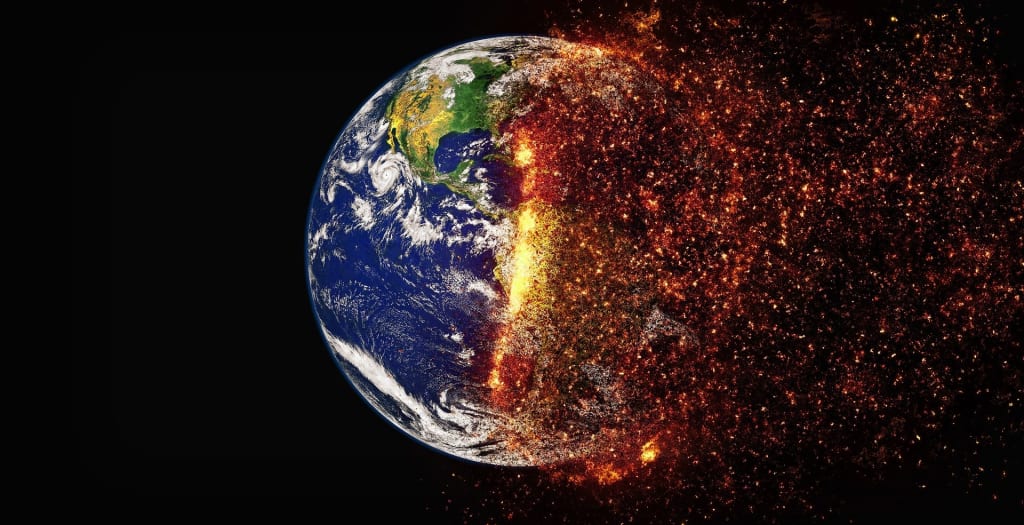
Global warming, also known as climate change, has become a pressing and contentious issue in recent years. With increasing temperatures, melting glaciers, rising sea levels, and extreme weather events becoming more frequent and severe, the effects of global warming are undeniable. As scientists and experts continue to warn about the dire consequences of unchecked climate change, it's crucial for us to understand the urgency of this issue and take action to mitigate its impacts.
At its core, global warming is caused by the accumulation of greenhouse gases, such as carbon dioxide, methane, and nitrous oxide, in the Earth's atmosphere. These gases trap heat from the sun, leading to a gradual warming of the planet. Human activities, such as burning fossil fuels for energy, deforestation, and industrial processes, are major contributors to the release of greenhouse gases into the atmosphere, intensifying the greenhouse effect and exacerbating global warming.
The consequences of global warming are far-reaching and have wide-ranging impacts on the environment, economy, and human health. One of the most apparent effects is the melting of glaciers and polar ice caps, leading to rising sea levels. As sea levels rise, coastal areas and low-lying islands are at risk of flooding, causing displacement of human populations and loss of habitat for wildlife. Extreme weather events, such as hurricanes, droughts, and wildfires, are becoming more frequent and intense due to global warming, posing threats to agriculture, water resources, and infrastructure.
The environmental impacts of global warming also affect biodiversity and ecosystems. Many plant and animal species are facing extinction or are forced to adapt to rapidly changing environmental conditions. Coral reefs, which are vital marine ecosystems that support numerous marine species, are particularly vulnerable to warming waters and are experiencing bleaching and die-offs at an alarming rate. The loss of biodiversity has far-reaching ecological consequences, disrupting ecosystems and food webs, and undermining the stability and resilience of natural systems.
In addition to the environmental impacts, global warming also has significant social and economic consequences. Disadvantaged communities, including low-income communities and marginalized groups, are often disproportionately affected by the impacts of global warming due to their limited access to resources and resilience measures. Disruption of food and water supplies, displacement of populations, and increased health risks from heatwaves and infectious diseases can exacerbate existing social and economic inequalities, leading to social unrest and economic instability.
Given the severity and urgency of the issue, it's crucial for us to take action to mitigate global warming and adapt to its impacts. Transitioning to renewable energy sources, such as solar and wind power, reducing greenhouse gas emissions from transportation and industry, and conserving energy through energy-efficient technologies are some of the key strategies to combat global warming. Protecting and restoring forests, which act as natural carbon sinks, and promoting sustainable agriculture and land use practices can also help to reduce greenhouse gas emissions and enhance carbon sequestration.
In addition to mitigation efforts, adaptation measures are also essential to cope with the impacts of global warming. Investing in climate-resilient infrastructure, protecting vulnerable coastal areas, improving disaster preparedness and response, and ensuring equitable access to resources and services for vulnerable communities are crucial steps towards building resilience and reducing the social and economic impacts of global warming.
However, individual actions alone are not enough to address the magnitude of the problem. Collective action and cooperation at the global level are necessary to implement effective solutions. Policymakers, businesses, and civil society organizations all have a role to play in advocating for policies and practices that prioritize climate action and sustainability. Education and awareness-raising among the general public are also vital in fostering a culture of sustainability and inspiring behavioral change.
In conclusion, global warming is a pressing issue that requires urgent and concerted action. Its environmental, social, and economic impacts are already being
About the Creator
Keep reading
More stories from writers in Earth and other communities.
Hotel Giant Collapses into Administration — 8,300 Employees Affected
In a shocking turn for the European hospitality sector, Revo Hospitality Group, one of the continent’s largest hotel operators, has filed for insolvency, putting about 8,300 jobs at risk. The move comes amid mounting financial pressures, rising costs, and an unstable post-pandemic market for travel and tourism.
By Aarif Lashari6 days ago in Earth
The Blue Ridge Stalker
Tom had left the Ford down the way, its spark plugs finally exhausted and no mechanics for a dozen miles back through the foothills to Strossburg. No matter, he had worn his boots—almost as if he planned for this to happen. The puzzle he sought to solve emanated from the woods clinging to the slopes above; the valley behind held no mysteries.
By Stephen A. Roddewig5 days ago in Fiction




Comments
There are no comments for this story
Be the first to respond and start the conversation.