
Understanding the Importance of Sustainable Agriculture in Meeting Global Food Demand
-By Ayush Singh
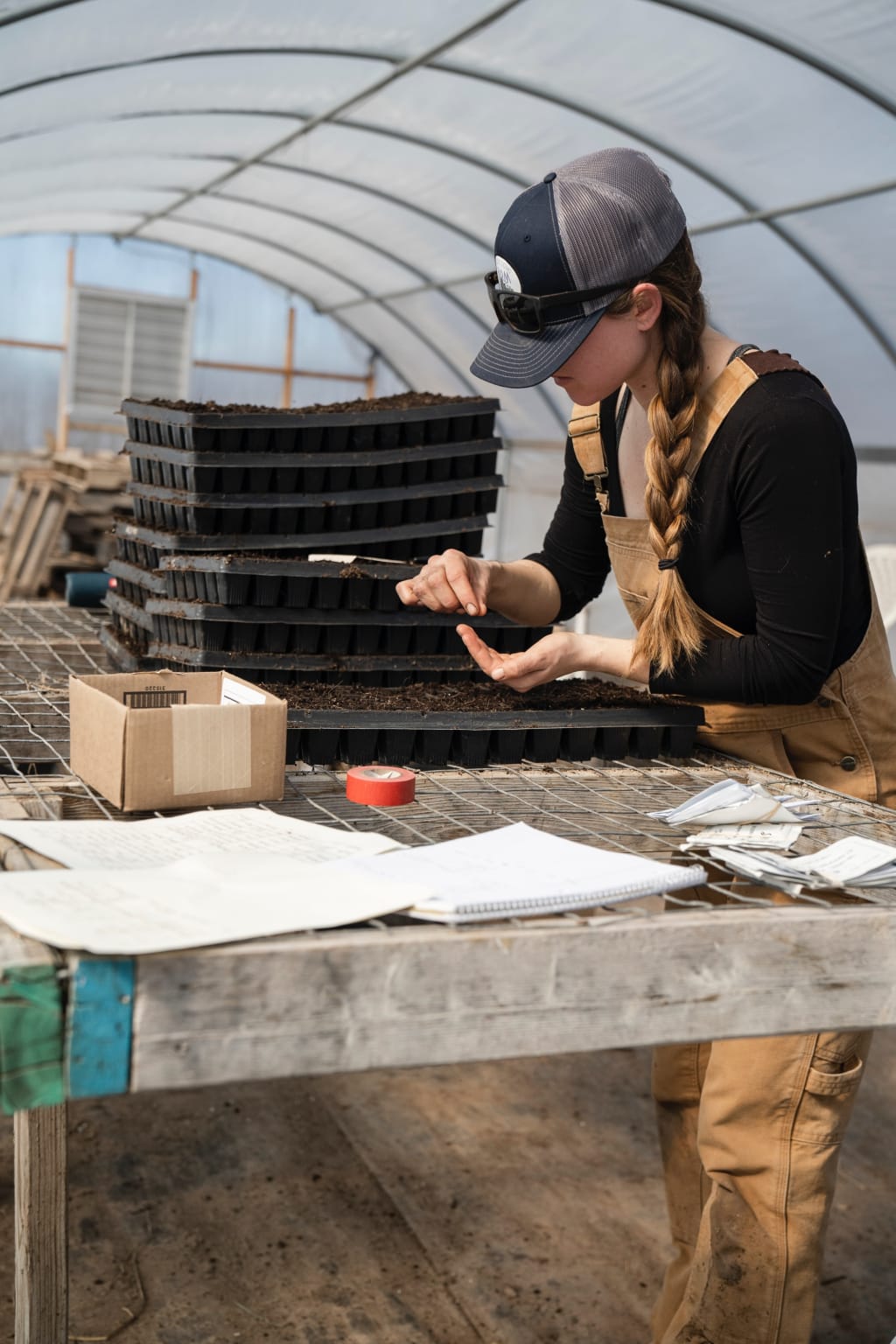
As the world's population grows, so does the demand for food. According to the United Nations, the world population is predicted to reach 9.7 billion by 2050, necessitating a 70% increase in food production to fulfil the rising demand. Traditional agricultural methods, on the other hand, are unsustainable, and it is critical to embrace sustainable agriculture practises to ensure that we can feed the world's rising population without harming the environment.
Sustainable agriculture is a farming practise that prioritises long-term productivity and natural resource conservation. To limit the use of synthetic fertilisers and pesticides, sustainable agriculture practises emphasise organic farming, crop rotation, and integrated pest management. This technique to agriculture serves to reduce soil deterioration, improve soil fertility, and reduce environmental impact.
One of the most significant advantages of sustainable agriculture is its capacity to improve food production while decreasing environmental impact. Sustainable agriculture practises, for example, can increase soil health, minimise water usage, and protect biodiversity. These practises can also help to minimise greenhouse gas emissions since they can store carbon in the soil.
Food insecurity can also be addressed through sustainable agriculture, particularly in developing nations. Sustainable agriculture can assist to minimise reliance on imported food and encourage food security for communities by boosting local food production. Sustainable farming practises can also raise crop yields and enhance crop quality, which can help farmers earn more money and improve consumer access to food.
Furthermore, sustainable agriculture can help to drive economic development by creating new options for farmers and rural communities. Governments can create new jobs, boost agricultural output, and encourage local economic development by promoting sustainable agriculture practises.
However, there are obstacles to implementing sustainable agriculture practises. The expense of shifting to sustainable agriculture practises is one of the most significant issues. Farmers may need to invest in costly new equipment, such as irrigation systems or organic fertilisers. Governments and non-governmental organisations (NGOs) can aid farmers by providing training, financing, and technical assistance.
To summarise, sustainable agriculture is critical for feeding the world's rising population while also safeguarding the environment. Sustainable agriculture practises can improve soil health, reduce water consumption, maintain biodiversity, and boost food security. Governments may increase economic opportunity, lower greenhouse gas emissions, and strengthen local communities by promoting sustainable agricultural practises.
In conclusion, sustainable agriculture stands as the key to addressing the formidable challenge of meeting the ever-growing global food demand while safeguarding the environment and ensuring the well-being of future generations. As our world's population continues to expand, and the effects of climate change become increasingly pronounced, we can no longer afford to rely solely on conventional farming practices. Sustainable agriculture offers a multifaceted solution that not only enhances food production but also promotes resource efficiency, mitigates environmental degradation, and supports the livelihoods of millions of farmers.
By embracing innovative techniques such as organic farming, crop rotation, precision agriculture, and agroforestry, we can reduce the environmental footprint of agriculture while simultaneously boosting yields. Moreover, sustainable farming practices foster biodiversity, improve soil health, and reduce water usage, addressing critical environmental concerns. Additionally, the emphasis on local and community-based food systems promotes food security and resilience in the face of global disruptions.
It is evident that sustainable agriculture transcends being merely an ethical choice; it is an imperative for the survival of our planet and the well-being of its inhabitants. Governments, businesses, farmers, and consumers must collaborate to further invest in and adopt sustainable agricultural practices. By doing so, we can not only meet the rising food demand but also build a more equitable, resilient, and environmentally responsible food system that will nourish us today and for generations to come. The path forward may be challenging, but the rewards are immeasurable – a world where food is abundant, diverse, and sustainable, and where we harmonize with nature rather than exploit it.
About the Creator
Keep reading
More stories from AYUSH SINGH and writers in Earth and other communities.
Pakistan's GDP: A Look into Economic Trends and Challenges
Introduction Pakistan, a South Asian nation with a rich history and diverse culture, is also known for its dynamic economy. The Gross Domestic Product (GDP) of a country is a crucial economic indicator that reflects the overall health and growth of its economy. In this article, we will explore Pakistan's GDP, its recent trends, and some of the challenges the nation faces on its path to economic prosperity.
By AYUSH SINGH2 years ago in Education
Talks Between Ukraine and Russia to Restart on Wednesday, Kremlin Says – Latest News
Diplomatic negotiations between Ukraine and Russia are expected to restart on Wednesday, according to statements from the Kremlin, marking another potential turning point in one of the most significant geopolitical conflicts in recent history. While previous rounds of talks have produced limited long-term results, the decision to return to the negotiating table has drawn global attention, as world leaders and humanitarian organizations hope renewed dialogue could reduce violence and improve humanitarian conditions.
By Aarif Lashariabout 23 hours ago in Earth


Comments
There are no comments for this story
Be the first to respond and start the conversation.