
UK Aviation Reforms Could Sideline Public Input Over Flight Paths, Campaigners Warn
UK Aviation Reforms Could Sideline Public Input on Flight Paths — Campaigners Warn of Noise, Health, and Community Concerns
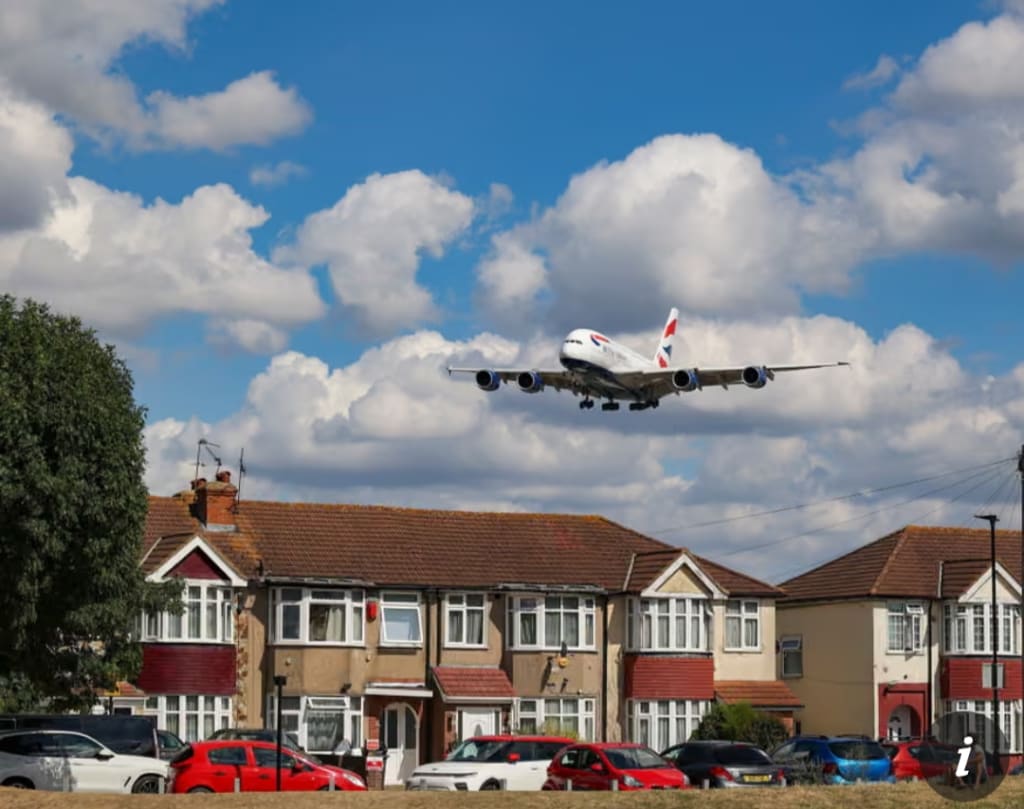
The UK government’s plans to modernise airspace have sparked controversy. While aimed at improving efficiency, reducing delays, and supporting airport expansion, critics warn that these reforms could marginalise public input — leaving communities under flight paths with little say in decisions that directly affect their homes, health, and quality of life.
Campaigners argue that modernisation should not come at the cost of community engagement, and that residents’ voices must remain central in shaping the skies above them.
What Are the Proposed Aviation Reforms?
The government is rolling out a long-term programme to redesign UK airspace, the first comprehensive update since the 1950s. Central to this plan is the new UK Airspace Design Service (UKADS), which will determine flight routes across the country.
The goals include:
More direct flight routes to reduce fuel use and emissions
Reduced delays at major airports
Supporting expansion plans at Heathrow, Gatwick, and Luton
Investing in green aviation technology
While the reforms are framed as essential for efficiency and sustainability, critics warn that community input risks being sidelined as decisions become more centralised.
Why Campaigners Are Concerned
Community groups and environmental campaigners, including the Aviation Environment Federation (AEF) and Hacan, have expressed deep concern. Their main worries include:
Reduced influence over flight path decisions: UKADS may take on most decision-making, with local consultation limited.
Noise and health impacts: The proposed reduction of noise impact assessments could ignore the real-world health effects of aircraft noise on residents.
Limited transparency: Consultation periods and information-sharing may not be enough for residents to meaningfully participate.
Charles Lloyd of AEF called the reforms a risk to public accountability, warning that the voices of communities under flight paths could be lost in technical redesigns.
Community Voices: Noise, Health, and Fair Process
Noise from aircraft is more than a nuisance. Research shows it can lead to:
Sleep disruption
Increased stress levels
Cardiovascular problems
Campaign groups like Communities Against Gatwick Noise Emissions (Cagne) argue that consultation processes have already been rushed or poorly timed, limiting public engagement. They fear that decisions about airspace may be finalised without meaningful community input.
The Government’s Position
The Department for Transport (DfT) insists that modernising airspace is essential to handle millions of annual flights and prevent inefficiencies in the national airspace system.
Transport Secretary Heidi Alexander emphasised that airspace modernisation is key for reducing delays, managing emissions, and supporting economic growth through airport expansion.
The Civil Aviation Authority (CAA) will remain the ultimate decision-maker, and the government says public consultation will continue — though critics argue it may be largely procedural rather than substantive.
Balancing Growth, Environment, and Community Interests
Airspace reform coincides with ambitious airport expansion plans, such as a third runway at Heathrow, which will increase flight traffic. Legal challenges have already emerged, with campaigners arguing that environmental and noise impacts have not been sufficiently addressed.
The government also highlights its £43 million investment in green aviation, aimed at reducing carbon emissions and supporting sustainable growth. Yet campaigners stress that technology alone cannot replace genuine public consultation and accountability.
What Needs to Happen Next
Experts say that for these reforms to succeed without alienating communities, they must include:
Transparent consultation processes that genuinely consider local feedback
Accurate health and noise assessments
Opportunities for meaningful participation in UKADS and the CAA decision-making framework
Models from Scotland, where airspace modernisation included more extensive community engagement, show that it is possible to combine efficiency with public involvement.
Why This Matters for Everyone
Although the topic may seem technical, these reforms impact:
Community well-being: Noise and health outcomes for residents
Environmental goals: Emissions and climate commitments
Public trust: Confidence in government decision-making
Economic growth: Aviation industry competitiveness and airport expansion
Balancing these priorities is crucial for modernising the UK’s skies without leaving residents unheard.
Final Thoughts
The UK’s aviation reforms aim to modernise infrastructure, reduce emissions, and support economic growth. But campaigners’ warnings show that efficiency cannot come at the expense of public engagement.
Community voices need to remain at the centre of decision-making. How the government addresses these concerns will determine whether airspace modernisation is seen as inclusive and forward-looking, or detached from the people it affects most.
The future of UK skies depends not only on technology and efficiency, but also on fair, transparent, and meaningful engagement with the public.
About the Creator
Keep reading
More stories from Aarif Lashari and writers in Earth and other communities.
“Make America Go Away”: Spoof MAGA Caps Soar in Popularity Amid the Greenland Crisis
Political slogans have always been powerful, but in today’s hyper-connected world, they often take on a life of their own. In recent weeks, a new phrase has been popping up across social media, protests, and online marketplaces: “Make America Go Away.” Printed boldly on red caps that closely resemble the iconic MAGA hats, the slogan is a pointed parody—and it’s rapidly gaining popularity amid renewed tensions surrounding Greenland and U.S. foreign policy rhetoric.
By Aarif Lashariabout 17 hours ago in Earth
Biodegradable Plastic Market Size and Forecast 2025–2033: The Future of Sustainable Materials Takes Shape
Introduction: A Turning Point for the Global Plastics Industry The global plastics industry is undergoing one of the most significant transformations in its history. As environmental concerns reach critical levels, biodegradable plastics are emerging as a viable and scalable solution to the world’s plastic pollution crisis. Governments, corporations, and consumers are aligning around sustainability goals, accelerating the adoption of materials that can safely return to nature.
By Marthan Sirabout 2 hours ago in Earth
Stock Market Today: Nasdaq Futures Rise; Oil Skids After Trump Dials Down Iran Tension
If you’ve been following the markets this week, you’ve probably noticed how sensitive traders are to geopolitical headlines. On Thursday, Nasdaq futures rose, while oil prices dropped after U.S. President Donald Trump made remarks that dialed down fears of immediate military escalation with Iran. It’s a classic example of how news can move multiple markets at once — tech stocks climbing while commodities react in the opposite direction. Nasdaq Futures Bounce Back Technology and growth-focused stocks led the recovery in futures trading. Nasdaq futures climbed, signaling that investors are regaining confidence after recent volatility. Many traders have been cautious, with some taking profits from high-flying tech names, but today’s rebound shows that market optimism is returning. Corporate earnings are a big factor here. Several tech giants, including semiconductor and software companies, have beaten analyst expectations in recent weeks. These results support longer-term growth narratives, giving investors confidence that the tech sector can continue to outperform even amid economic uncertainty. For anyone watching the markets, this is a reminder: futures are forward-looking indicators. When traders see signs of stabilization — like reduced geopolitical tension or strong earnings — markets often react positively before the official trading session even begins. Oil Prices Fall Amid Eased Tensions On the flip side, oil prices skidded. The energy market had been pricing in potential supply disruptions due to the tension with Iran, particularly in critical regions like the Strait of Hormuz. But after Trump’s comments, traders interpreted a lower risk of military conflict, and crude futures dropped sharply. West Texas Intermediate (WTI) and Brent crude both saw declines of around 4–5%, as investors adjusted their positions. This shows how geopolitical risk premiums can inflate commodity prices — and how quickly they can disappear once the perceived threat diminishes. Lower oil prices are a double-edged sword. On one hand, cheaper fuel eases costs for consumers and businesses. On the other, energy companies and oil-exporting nations may face pressure on revenue and profits if prices remain soft. Why Geopolitics Moves Markets The Middle East continues to be a major driver of global market sentiment. Even the possibility of conflict in oil-rich regions can make investors nervous, sending equities lower and commodities higher. Conversely, statements that calm these fears can produce quick rebounds in risk assets like stocks and a decline in commodities like oil. This week’s developments show just how reactive the markets have become. A single remark from a world leader — in this case, Trump — can shift risk perception and trigger immediate moves across multiple asset classes. Earnings and Economic Data Still Key While geopolitical headlines dominate daily moves, corporate earnings and economic data remain critical for long-term market trends. Financial giants like Morgan Stanley recently reported results that beat expectations, boosting their stock prices and reinforcing positive sentiment in the sector. Investors are paying close attention to these fundamentals. Earnings reports and macroeconomic indicators provide insight into underlying trends, helping traders separate short-term volatility from sustainable growth. What Investors Should Watch For stock investors: The rebound in Nasdaq futures suggests that growth and technology stocks are finding support, but volatility is still high. Active risk management and portfolio diversification remain essential. For energy markets: Today’s slump in oil prices highlights how commodities react to geopolitical sentiment. Traders should watch for developments in the Middle East, as any escalation could reverse the decline in prices almost immediately. For global markets overall: Investors must balance multiple narratives — geopolitical events, corporate earnings, economic data, and interest rate expectations. This interplay shapes risk appetite and influences how capital flows across sectors and regions. The Takeaway Today’s market action illustrates a broader theme: markets are highly sensitive to shifts in risk perception. When geopolitical tension eases, equities tend to rise, and risk-sensitive commodities like oil fall. But when threats reappear, sentiment can flip, reminding investors that global markets are dynamic and interconnected. This combination of Nasdaq gains and falling oil prices isn’t just about numbers — it’s about investor psychology, risk management, and the speed at which news travels in our global economy. The lesson is clear: staying informed and flexible is more important than ever for anyone participating in today’s markets.
By Muhammad Hassan5 days ago in Earth


Comments
There are no comments for this story
Be the first to respond and start the conversation.