
Tsunami evacuation planning
Tsunamis are among the most devastating natural disasters, capable of causing widespread destruction and loss of life within minutes of an underwater earthquake, volcanic eruption, or landslide.

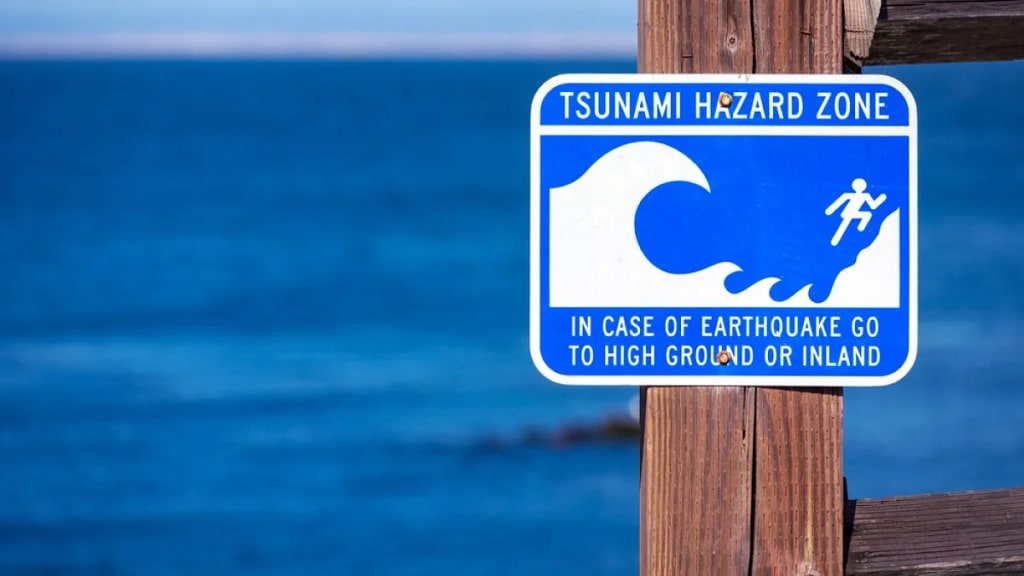
Tsunami evacuation planning is crucial for minimizing casualties and ensuring public safety. A structured evacuation strategy involves risk assessment, community preparedness, infrastructure development, and clear communication systems.
Understanding Tsunami Risks
Tsunamis are typically triggered by underwater seismic activities, such as earthquakes and volcanic eruptions. The resulting displacement of water creates waves that can travel across entire ocean basins at speeds exceeding 500 miles per hour. Upon reaching shallow coastal areas, these waves grow in height and can cause catastrophic flooding.
Communities along coastlines, particularly those near tectonic plate boundaries, are at the highest risk. Understanding local geological hazards and historical tsunami occurrences is essential for effective evacuation planning.
Developing a Tsunami Evacuation Plan
A comprehensive tsunami evacuation plan consists of several key elements:
Hazard Mapping
Identifying vulnerable zones using historical data and computer simulations.
Marking high-risk areas, including low-lying coastal zones, estuaries, and riverbanks.
Collaborating with geologists and meteorologists to refine risk assessments.
Evacuation Routes and Safe Zones
Designating clear, marked evacuation routes leading to safe, elevated areas.
Establishing multiple escape routes to prevent congestion and ensure accessibility.
Creating designated assembly points equipped with emergency supplies.
Infrastructure Resilience
Constructing tsunami-resistant buildings and elevated structures.
Reinforcing bridges, roads, and escape paths to withstand seismic activity.
Installing seawalls, breakwaters, and mangroves as natural barriers.
Early Warning Systems
Utilizing seismic monitoring stations and ocean buoys to detect tsunamis.
Implementing sirens, mobile alerts, and radio broadcasts to warn the public.
Coordinating with global and regional tsunami warning centers.
Community Preparedness and Education
Public awareness and preparedness are critical for an effective evacuation. Governments and organizations must conduct regular educational campaigns, drills, and training sessions.
Public Education
Teaching residents about tsunami warning signs, such as strong coastal earthquakes and unusual sea behavior (rapid retreat or sudden surge of water).
Distributing informational pamphlets and broadcasting awareness programs.
Encouraging individual and family emergency planning.
Evacuation Drills
Conducting periodic community-wide evacuation exercises.
Training emergency response teams, including first responders and volunteers.
Simulating different disaster scenarios to assess preparedness levels.
Emergency Kits and Resources
Encouraging families to maintain emergency supply kits with food, water, first aid supplies, flashlights, and important documents.
Ensuring emergency shelters are stocked with essentials and medical provisions.
Establishing support systems for vulnerable populations, such as the elderly and disabled.
Role of Government and Agencies
Local, national, and international agencies play a vital role in tsunami evacuation planning. Collaboration between governments, scientific institutions, and humanitarian organizations ensures a well-coordinated response.
Policy and Legislation
Implementing strict building codes and land-use policies for coastal areas.
Establishing laws requiring tsunami evacuation plans for businesses and schools.
Securing funding for emergency preparedness initiatives.
International Cooperation
Participating in global tsunami warning systems, such as those managed by the Pacific Tsunami Warning Center (PTWC) and the Indian Ocean Tsunami Warning System (IOTWS).
Sharing research, technology, and resources with other nations.
Conducting joint training exercises to enhance response capabilities.
Challenges in Tsunami Evacuation Planning
Despite advancements in tsunami preparedness, several challenges remain:
Limited Response Time
Tsunamis can reach shorelines within minutes, leaving little time for evacuation.
Enhancing early warning systems and rapid communication is crucial.
Infrastructure Limitations
Many coastal communities lack adequate roads and escape routes.
Governments must invest in urban planning and emergency infrastructure.
Public Compliance
Some individuals may hesitate to evacuate due to fear, misinformation, or previous false alarms.
Effective community engagement and trust-building efforts are necessary.
IN THE END
Tsunami evacuation planning is a multi-faceted approach that requires the cooperation of governments, communities, and scientific institutions. Through effective risk assessment, public education, resilient infrastructure, and reliable early warning systems, the impact of tsunamis can be significantly reduced. Continuous improvement in disaster preparedness and response strategies will ensure that vulnerable populations are better protected when a tsunami strikes.
About the Creator
Badhan Sen
Myself Badhan, I am a professional writer.I like to share some stories with my friends.
Keep reading
More stories from Badhan Sen and writers in Earth and other communities.
Drought-resistant crops
Drought-resistant crops are an essential solution for global food security, especially in the face of climate change. As water scarcity becomes more prevalent due to erratic rainfall patterns and rising temperatures, developing and cultivating drought-tolerant crops is crucial for sustaining agriculture and ensuring food availability. These crops have natural or genetically engineered traits that allow them to survive and yield harvests even in water-deficient conditions. This article explores the importance, examples, and future prospects of drought-resistant crops in modern agriculture.
By Badhan Sen12 months ago in Earth
Enoch Burke Case: Disciplinary Panel Members Resign in Major Blow to Efforts to Resolve Row Over Teacher’s Dismissal
The long-running dispute surrounding Irish teacher Enoch Burke has taken another dramatic turn after members of a disciplinary panel resigned, dealing a significant setback to efforts aimed at resolving the controversy over his dismissal. The case, which has attracted widespread public attention, continues to raise complex questions about employment rights, institutional authority, and the handling of disputes involving personal beliefs in professional settings.
By Aarif Lashari4 days ago in Earth



Comments (1)
Good work and once again there are those that will not listen to the warnings and go it alone come what may.