
Trump’s Plan to Own the Western Hemisphere and Greenland Is Not What Americans Want
Why Expansionist Rhetoric Is Losing Support at Home and Abroad

Donald Trump’s foreign policy ambitions have always made headlines, but in early 2026, the conversation took a new turn — one that’s making Americans sit up and take notice. From proposals to dominate the Western Hemisphere to floating ideas about acquiring Greenland, Trump’s rhetoric has been bold, controversial, and, for many, out of step with what the public actually wants.
While these ideas might energize parts of the political base, polls and public opinion suggest most Americans are skeptical, even alarmed, about using the military or U.S. influence to expand territory. Let’s break down what’s happening and why the majority of Americans are not on board.
The “Don‑roe Doctrine” and a Bold Vision
Trump’s team has revived the Monroe Doctrine — the 19th-century policy that told European powers to stay out of the Western Hemisphere — but with a modern twist. Some have jokingly dubbed it the “Don‑roe Doctrine”, emphasizing America’s supposed right to dominate the region and block rivals like China and Russia from gaining influence.
In recent statements, Trump and his advisers have stressed that the Western Hemisphere should be under U.S. control, signaling a willingness to increase American power in Latin America. While rooted in history, this rhetoric goes far beyond traditional diplomacy, suggesting active intervention or oversight in neighboring countries’ affairs.
Greenland: The Arctic Gambit
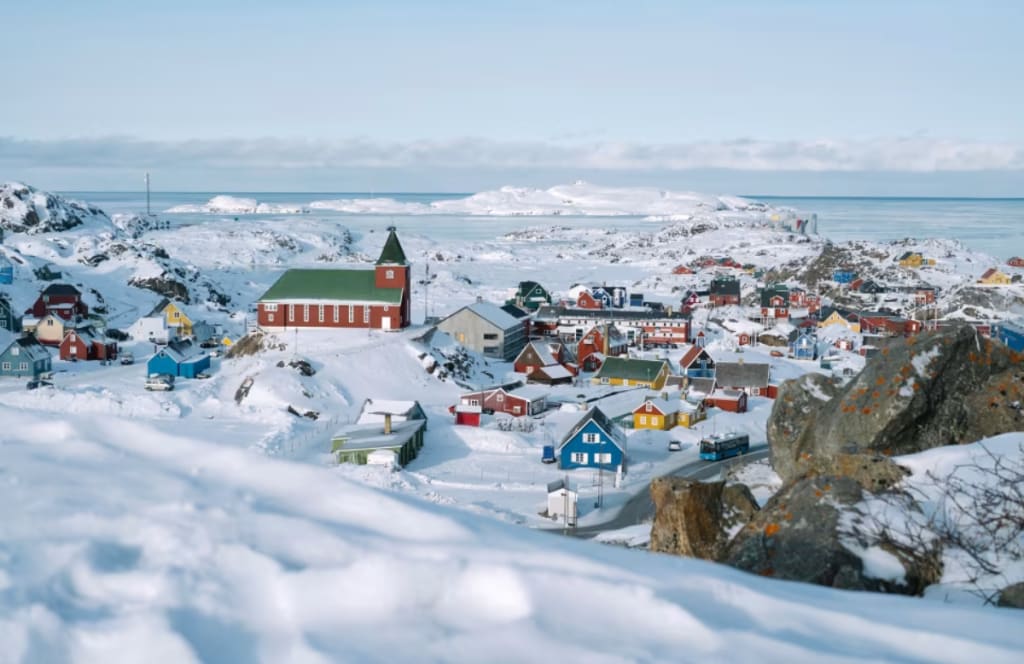
If dominating the hemisphere wasn’t ambitious enough, Trump has also made headlines with Greenland, the world’s largest island and an autonomous territory of Denmark. Trump has suggested that the U.S. should explore acquiring Greenland, citing strategic national security reasons.
The White House went even further, confirming that “a range of options” is on the table — including military involvement if negotiations fail. This statement made global headlines, sparking criticism not just from Denmark but from European leaders across the board.
It’s an idea that would have seemed unthinkable a decade ago, and it raises serious questions about international law, diplomacy, and the U.S.’s reputation abroad.
Why Americans Aren’t Buying It
You might assume bold expansionist rhetoric would excite a nationalist base, but surveys and polls tell a different story.
Only about 11% of Americans support purchasing or annexing Greenland.
A majority of respondents oppose it outright, including many Republicans.
Most Americans prefer a focus on diplomacy, domestic issues, and practical governance, rather than acquiring distant lands.
There’s also a strong sense of military fatigue. After decades of overseas interventions, many Americans are wary of costly and risky military actions that may not directly protect U.S. interests.
International Pushback
Trump’s Greenland idea hasn’t just been controversial domestically — it’s caused outrage abroad. Denmark, the sovereign nation over Greenland, made it clear that the island is not for sale. European leaders have voiced strong support for Greenland’s autonomy and warned that any U.S. attempt to take control could strain alliances, including NATO.
Even countries in the Western Hemisphere are cautious. Many Latin American leaders view heavy-handed U.S. influence as unwelcome, highlighting the risks of a foreign policy focused on territorial dominance.
The Public Sentiment Gap
The contrast between Trump’s ambitions and American public opinion is stark:
Sovereignty matters: Most Americans recognize that countries, including Greenland, have the right to self-govern.
Military intervention fatigue: There’s little appetite for new foreign conflicts, especially for reasons seen as symbolic or expansionist.
Focus on domestic priorities: Healthcare, the economy, education, and infrastructure consistently outrank foreign conquest in Americans’ list of priorities.
In short, the public is telling leaders that the future of U.S. influence lies in cooperation, not domination.
Why This Matters
Trump’s rhetoric has drawn global attention, strained alliances, and created diplomatic tensions. But beyond the headlines, it’s also a reminder of the limits of foreign policy that ignores public opinion. Americans want their leaders focused on practical issues — and most see territorial expansion or hemispheric control as a distraction at best, a liability at worst.
The Greenland debate, in particular, highlights the potential clash between ambitious political theater and real-world consequences. While Trump’s ideas make for sensational headlines, they don’t reflect the priorities of everyday Americans.
Final Thoughts
Donald Trump’s vision of owning the Western Hemisphere and potentially acquiring Greenland is bold — some might even call it audacious. But boldness alone doesn’t win hearts and minds. In fact, Americans are largely rejecting expansionist rhetoric, favoring diplomacy, alliances, and domestic problem-solving over territorial ambition.
In a world that is interconnected and wary of unilateral power grabs, the public seems to be sending a clear message: power is important, but consent, cooperation, and practicality matter even more.
As Trump continues to push these ideas, he faces the reality that public opinion, international norms, and global diplomacy may be the real limits on his ambitions — not headlines or political theatrics.
About the Creator
Muhammad Hassan
Muhammad Hassan | Content writer with 2 years of experience crafting engaging articles on world news, current affairs, and trending topics. I simplify complex stories to keep readers informed and connected.
Keep reading
More stories from Muhammad Hassan and writers in Earth and other communities.
Primary Teachers Strike Over ‘Knives and Assaults’: Safety Crisis Sparks Nationwide Action
Primary school teachers across the country have taken a stand, walking out of classrooms in a strike that highlights an alarming issue: violence in schools. Reports of knives, assaults, and threats against staff have reached a tipping point, prompting educators to demand immediate action from authorities. The strike, now capturing national attention, is more than a labor dispute—it’s a wake-up call about safety, mental health, and the well-being of the country’s youngest learners. The Crisis Behind the Strike Educators have long faced challenges beyond teaching, but recent incidents have made clear that violence in schools is escalating. Primary teachers have reported assaults by students, including cases involving knives, physical attacks, and threatening behavior. These events, once considered rare, are becoming increasingly common, creating fear and uncertainty in classrooms. According to union representatives, teachers have reached their breaking point. “We can no longer continue teaching under constant threat,” one spokesperson said. “Our students deserve safe schools, and we deserve protection and respect.” The strike is a direct response to the government’s perceived failure to act decisively on school safety, leaving teachers feeling unsupported and exposed to dangerous situations. The Scope of the Problem National education authorities admit that incidents of violence in primary schools have been rising. While precise numbers vary, studies suggest that a significant percentage of teachers experience physical or verbal abuse during their careers. Knives and weapons: Incidents of students bringing knives to school, while still a minority, have grown enough to raise alarm among staff and parents. Physical assaults: Teachers report being pushed, hit, or grabbed by students. Verbal threats: Daily exposure to threats and aggressive language is taking a mental toll on educators. For primary school teachers, the stakes are particularly high. They work with children aged 5–11—an age group that requires constant supervision. The presence of weapons or aggressive behavior adds layers of risk that teachers feel ill-equipped to manage. Teachers Speak Out Teachers participating in the strike have shared harrowing stories. Some describe students brandishing knives during disputes, while others report being physically attacked while trying to de-escalate conflicts. Many express frustration that administrators and local authorities fail to respond adequately to these incidents. One teacher, who requested anonymity, said: “We love our students, but we also need to feel safe. Carrying the weight of constant threats is exhausting. It’s not just about us—it’s about protecting children too.” Teachers’ unions argue that strikes are a last resort. They have attempted dialogue with education departments and policymakers for months, seeking measures such as improved security, mental health support, and stricter enforcement against violent behavior in schools. When those discussions failed to yield meaningful results, the strike became the only avenue left to demand urgent change. Parents and Community Reactions The strike has prompted mixed reactions from parents and the wider community. Many parents support teachers, acknowledging the dangerous situations they face and applauding the courage to demand safer schools. They argue that students learn best in secure environments, and that striking teachers are drawing attention to a problem that affects everyone. Others express frustration, especially parents who rely on schools for childcare during work hours. They worry about disruption to students’ education and the practical challenges of organizing alternative care. Despite these concerns, there is broad recognition that the underlying safety issue cannot be ignored. Community discussions have increasingly focused on finding solutions that protect both teachers and students while minimizing disruption. Government and Administrative Response Government officials have promised action, but details remain sparse. Proposed measures include: Increased presence of school safety officers Implementation of anti-violence policies and stricter consequences for students who threaten or harm staff Expanded mental health and counseling support for students at risk of aggressive behavior Training for teachers in conflict de-escalation and crisis management Critics argue that these proposals are reactive rather than proactive, emphasizing the need for long-term solutions that address the root causes of school violence, such as social inequality, family instability, and inadequate support for students with behavioral challenges. The Broader Context School violence is not limited to one city or district; it reflects wider societal challenges. Rising tensions in communities, limited mental health resources, and pressures on families all contribute to the environment in which children act out aggressively. Experts say that addressing violence in primary schools requires holistic solutions: Support for educators: Safe working conditions, clear reporting procedures, and access to protective measures. Student support: Mental health counseling, behavior intervention programs, and social skills education. Community engagement: Parents, local authorities, and social services working together to address root causes. Striking teachers are drawing attention to these issues in ways that cannot be ignored, emphasizing that safety in schools is a societal responsibility. What the Strike Means for Education The strike is a clear warning that teachers cannot be expected to manage escalating violence without adequate support. If governments fail to act decisively, there is a risk of: Teacher burnout and attrition, leaving schools understaffed Declining educational quality, as safety concerns overshadow learning Erosion of trust, between teachers, parents, and policymakers The strike is also sparking conversations about the value society places on educators. Teachers are advocating not only for physical safety but also for respect, resources, and recognition of the challenges they face every day. Looking Ahead Negotiations between unions and government officials continue, but many teachers are clear: they will not return to classrooms until concrete safety measures are implemented. The strike may be temporary, but the issues it highlights are long-term, requiring sustained attention and investment. As the nation watches, the primary teachers’ strike serves as a powerful reminder that safe schools are fundamental to both education and society. Protecting teachers means protecting children, communities, and the future of learning itself.
By Muhammad Hassan13 days ago in Earth
China Cracks Down on Ships Using Starlink
A New Front in China’s Technology Control China has intensified its crackdown on ships using Starlink, the satellite internet service operated by Elon Musk’s SpaceX, signaling a sharp escalation in Beijing’s efforts to control information flows and foreign technology. Authorities have warned commercial vessels, fishing boats, and private operators against using unapproved satellite communication systems, citing national security and data sovereignty concerns.
By Aarif Lashari5 days ago in Earth
Things you don't know about Africa
Africa: What You Probably Didn’t Know Article No. 1671 Tuesday, 25 February 2020 By Wardah Baloch In terms of land area, Africa is the second-largest continent in the world. It covers nearly 22 percent of the world’s total landmass and about 6 percent of the Earth’s total surface area. Only Asia is larger than Africa in size.
By Sudais Zakwan5 days ago in Earth




Comments
There are no comments for this story
Be the first to respond and start the conversation.