
Trimming Your Coconut Palm: A Guide to Proper Palm Trimming Techniques
Island Tree Style
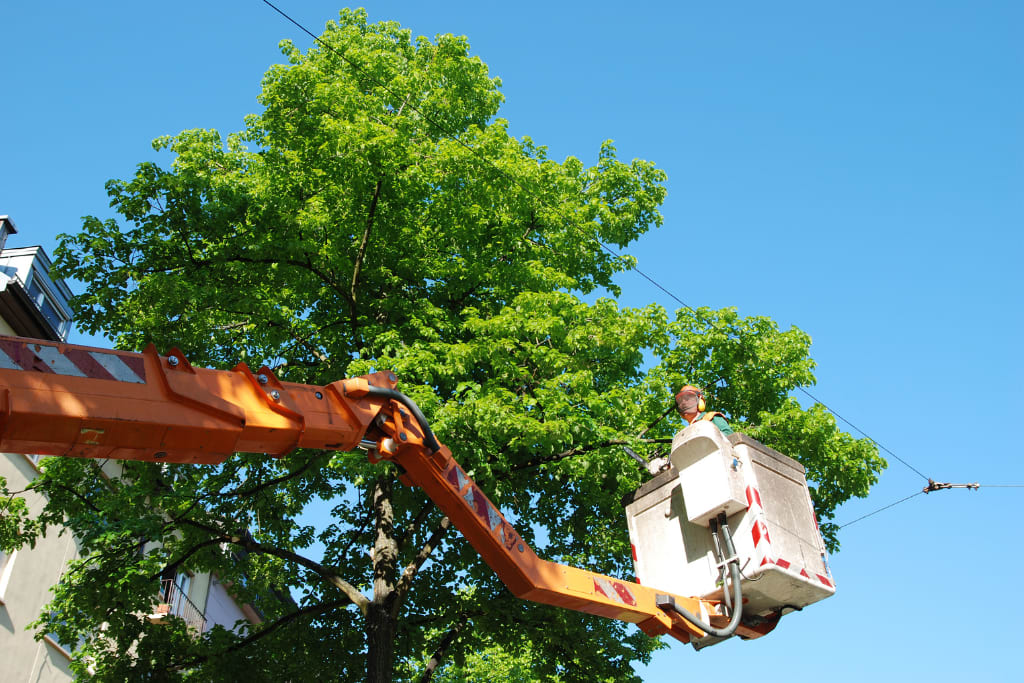
Coconut palms are a popular sight in tropical regions, providing both aesthetic and economic value. However, as with any other tree, coconut palms require regular maintenance to keep them healthy and safe. One crucial aspect of palm maintenance is trimming, which involves removing dead or overgrown fronds from the palm. In this article, we will discuss the importance of palm trimming for the health of your coconut palm, the best time of year to trim, the tools required for trimming, specific safety tips for trimming coconut palms, steps to properly trim, common mistakes to avoid when trimming, and the benefits of hiring a professional tree trimming service.
Importance of palm trimming for the health of your coconut palm
Trimming is essential for the health of your coconut palm because it helps in removing dead or diseased fronds, promoting healthy growth, and improving the palm's appearance. Trimming also helps in reducing the risk of property damage and personal injury from falling fronds. Regular trimming ensures that the palm remains healthy, safe, and aesthetically pleasing.
The best time of year to trim your coconut palm
The best time to trim a coconut palm is during the dry season when the palm is dormant. Trimming during the rainy season can lead to the spread of diseases, and trimming during the fruiting season can reduce the yield. Trimming during the dry season also ensures that the palm has ample time to heal before the next rainy season.
Basic tools required for trimming a coconut palm
Trimming a coconut palm requires a few basic tools, including a tree stand, a pruning saw, gloves, safety glasses, and a hard hat. A tree stand is essential to reach the higher fronds, while a pruning saw is used to cut fronds of different sizes. Gloves, safety glasses, and a hard hat provide protection from falling debris.
Specific safety tips for trimming coconut palms
Trimming coconut palms can be dangerous, and it is essential to take specific safety precautions. Before trimming, ensure that the tree stand is stable. Always wear gloves, safety glasses, and a hard hat to protect yourself from falling debris. Use a pruning saw or pruning shears with a long handle to reach higher fronds safely. It is also crucial to be aware of power lines near the palm and avoid working near them.
Steps to properly trim your coconut palm
To properly trim your coconut palm, follow these steps:
1. Identify the fronds that need to be removed. Look for dead or diseased fronds, crossed fronds, or fronds that are blocking sunlight or growing in the wrong direction.
2. Cut the frond with a pruning saw or pruning shears, making sure to cut as close to the trunk as possible to promote healing.
3. Remove any remaining stubs to prevent the spread of diseases.
4. Dispose of the fronds safely by cutting them into smaller pieces and placing them in a compost bin or green waste container.
Common mistakes to avoid when trimming coconut palms
One common mistake when trimming coconut palms is removing too many fronds at once. This can stress the palm and lead to slower growth. Another mistake is trimming the spear leaf, which can stunt the growth of the palm. It is also essential to avoid leaving stubs, which can become infected and lead to the spread of diseases.
The benefits of hiring a professional tree-trimming service
Hiring a professional tree trimming service has several benefits, including expert knowledge and experience in palm trimming techniques, access to specialized tools and equipment, and the assurance of safety
About the Creator
Cliff
At my company, Island Tree Style, we offer many arborist tree management services but specialize in tree pruning, takedowns, and removing diseased and invasive trees. Our company provide affordable and reliable tree service.
The Ritual of Winter Challenge Winners
As the chill of winter settles in, communities everywhere have been buzzing with anticipation for the results of the Ritual of Winter Challenge, an event that has become a highlight of the season for enthusiasts of all ages. From artists and writers to athletes and innovators, participants from across the country compete in a variety of categories, showing off not just talent, but ingenuity, perseverance, and a commitment to pushing boundaries. This year’s winners offer a glimpse into the creative and competitive spirit that makes this challenge such a standout experience.
By Muhammad Hassan5 days ago in Earth
Locked Exits, Panic, and Desperate Calls: Survivors Recount Mall Fire Horror
A tragic fire at a busy shopping mall has left the public in shock as survivors recount the harrowing moments when flames and smoke consumed the building. Eyewitness accounts describe locked exits, panicked crowds, and desperate calls for help, painting a chilling picture of the chaos inside.
By Muhammad Hassan7 days ago in Earth




Comments
There are no comments for this story
Be the first to respond and start the conversation.