
TOP Neem tree benefits for environment and your Health
Neem tree benefits for environment
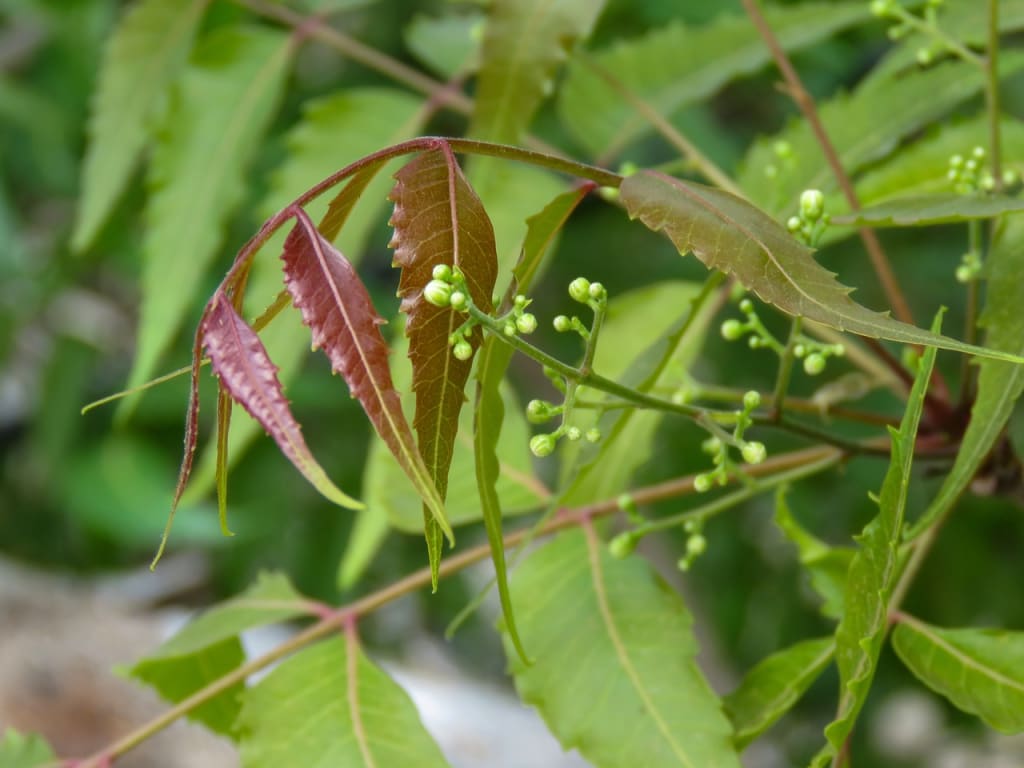
The neem tree (Azadirachta indica) is a versatile and beneficial tree known for its numerous environmental advantages. Here are some of the key benefits of the neem tree for the environment:
1. Air Purification: Neem trees help improve air quality by absorbing pollutants such as carbon dioxide, sulfur dioxide, and nitrogen oxide through their leaves. They release oxygen during the day, contributing to cleaner and fresher air.
2. Carbon Sequestration: Neem trees have the ability to sequester and store carbon dioxide from the atmosphere, thus aiding in mitigating climate change. Their extensive root system helps in soil stabilization, reducing erosion and preserving carbon-rich soils.
3. Biodiversity Support: Neem trees provide a habitat for various insects, birds, and other wildlife species. They attract pollinators like bees and butterflies, promoting biodiversity and aiding in the pollination of other plants in the vicinity.
4. Soil Improvement: Neem trees possess a deep and extensive root system that helps prevent soil erosion. Their fallen leaves act as a natural mulch, enriching the soil with organic matter and enhancing its fertility. Neem leaves also contain compounds that have insecticidal and antifungal properties, reducing pests and diseases in the soil.
5. Water Conservation: Neem trees are drought-tolerant and can thrive in arid regions. Their deep roots help to improve water infiltration and prevent water runoff. This enhances groundwater recharge, reduces soil erosion caused by heavy rainfall, and contributes to water conservation.
6. Medicinal and Herbal Benefits: Neem is renowned for its medicinal properties. The tree's leaves, bark, seeds, and oil have various therapeutic uses, such as treating skin ailments, boosting the immune system, and controlling pests naturally. By utilizing neem-based products, the reliance on chemical pesticides and pharmaceuticals with potential environmental impacts can be reduced.
7. Sustainable Resource: Neem trees provide a sustainable source of timber, fuelwood, and non-edible oil. Their wood is used for construction, furniture, and agricultural implements. The neem oil extracted from the seeds has numerous applications in soaps, cosmetics, medicines, and even biopesticides, which can reduce dependence on synthetic chemicals.
8. Agroforestry and Shade: Neem trees are commonly planted in agroforestry systems as they offer shade to crops, protecting them from excessive heat and reducing water evaporation from the soil. This practice promotes sustainable farming and supports rural livelihoods.
Overall, the neem tree plays a vital role in environmental conservation, offering multiple benefits for air quality, carbon sequestration, biodiversity, soil health, water conservation, and sustainable resource utilization.
Neem tree benefits for helth
The neem tree (Azadirachta indica) is highly valued for its numerous health benefits. For centuries, neem has been used in traditional medicine for its therapeutic properties. Here are some of the potential health benefits associated with the neem tree:
1. Skin Health: Neem is widely recognized for its skin-friendly properties. Neem oil and neem leaf extracts are used in various skincare products due to their antibacterial, antifungal, and anti-inflammatory properties. Neem can help treat acne, eczema, psoriasis, and other skin conditions. It can also help in wound healing and reducing scars.
2. Oral Health: Neem has been traditionally used to promote oral hygiene and treat oral infections. Neem twigs were historically used as natural toothbrushes. The antimicrobial properties of neem help fight against bacteria that cause cavities, gum disease, and bad breath. Neem-based toothpaste and mouthwashes are available today for oral care.
3. Immune Support: Neem possesses immunomodulatory properties, meaning it helps regulate the immune system. It can enhance the body's natural defense mechanisms and support overall immune health. Neem's antiviral and antibacterial properties may also contribute to its immune-boosting effects.
4. Insect Repellent: Neem oil is a natural insect repellent. It acts as an effective deterrent against mosquitoes, flies, and other insects. Applying neem oil or using neem-based repellents can help protect against insect-borne diseases like malaria, dengue, and chikungunya.
5. Antioxidant Activity: Neem contains compounds such as flavonoids, carotenoids, and vitamin C, which possess strong antioxidant properties. Antioxidants help neutralize free radicals in the body, reducing oxidative stress and potentially lowering the risk of chronic diseases such as heart disease and certain types of cancer.
6. Blood Sugar Management: Some research suggests that neem may help in managing blood sugar levels. Neem extracts have shown potential in improving insulin sensitivity and lowering blood glucose levels. However, further studies are needed to establish its effectiveness and optimal usage.
7. Digestive Health: Neem has been traditionally used to support digestive health. It may help alleviate digestive issues like indigestion, bloating, and stomach ulcers. Neem's antimicrobial properties may also combat harmful bacteria in the digestive system.
8. Anti-inflammatory Effects: Neem exhibits anti-inflammatory properties, which can help reduce inflammation in the body. This may be beneficial for conditions like arthritis, skin inflammation, and other inflammatory disorders.
It's important to note that while neem offers several potential health benefits, more scientific research is needed to fully understand its effects and establish appropriate dosages and usage guidelines. As with any herbal remedy, it's advisable to consult with a healthcare professional before using neem for specific health concerns.
About the Creator
Keep reading
More stories from writers in Earth and other communities.
Under the Quiet Sky
Under the Quiet Sky The city wakes before the sun, breathing smoke, horns, and hurried footsteps. From the fourth floor of an aging apartment, Ayman watches the morning unfold like a restless tide. He is a delivery rider, a job built on speed, yet his own life moves slowly, measured by prayers whispered between traffic lights and thoughts carried across bridges. People notice his green jacket, not his eyes. They see the package, not the person holding it.
By Imran Hossain3 days ago in Earth
Lately, I'm empty
Lately, I feel an emptiness inside of me that doesn’t make any sense. I was fine a week ago and now I’m numb to the pain that I’ve been carrying around. Numb to the idea of me existing. I wish I could go to a place where I can hear happy positive thoughts and surround myself with joy. The medication I’m on doesn’t seem to work anymore. I still feel pain from existing, why am I here anyways? Merely to exist. I don’t feel like I’m making any differences being here.
By Cerina Galvan2 days ago in Confessions




Comments
There are no comments for this story
Be the first to respond and start the conversation.