
Top 10 failed products of Apple
“When Innovation Misses the Mark: A Look at Apple’s Most Notable Product Flops”

Apple is currently one of the world’s top tech giants. According to the latest data from Forbes, with a market capitalization of $3.02 trillion, Apple has surpassed numerous powerful tech companies to claim the throne. After a journey filled with highs and lows, Apple became the first American company to hit the $1 trillion mark in August 2018 — a milestone that took 42 years to achieve. Astonishingly, within just four more years, the company crossed the $3 trillion mark in January 2022, becoming the first in the world to do so.
However, Apple’s history hasn’t always been so glamorous. Like any other company, Apple too has tasted bitter failure. Several of its products failed to perform as expected in the market. This article explores ten such failed Apple products.
The Apple III
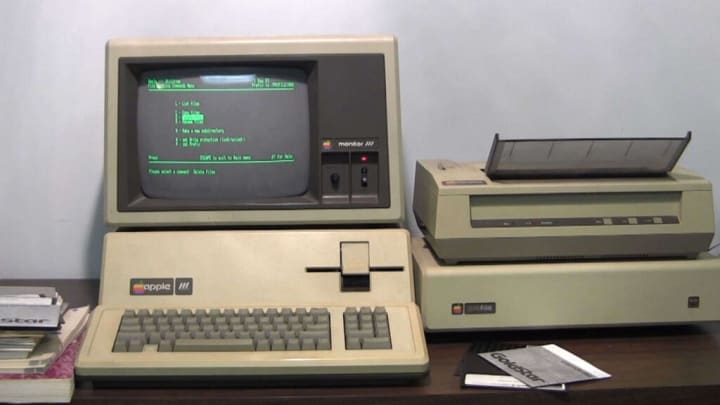
The Apple III was the very first failed product in Apple’s history. Following the massive success of the Apple II, the company launched the Apple III in May 1980, expecting it to take the brand to new heights. But instead, the computer turned out to be Apple’s first flop. Lacking a cooling fan, the machine would overheat quickly during use. This overheating caused issues with the circuit board, and chips would often come loose from their sockets, leading to constant malfunctions. As a result, Apple had to recall nearly 14,000 units from the market. It was also the first Apple computer not designed by Steve Wozniak.
The Apple Lisa
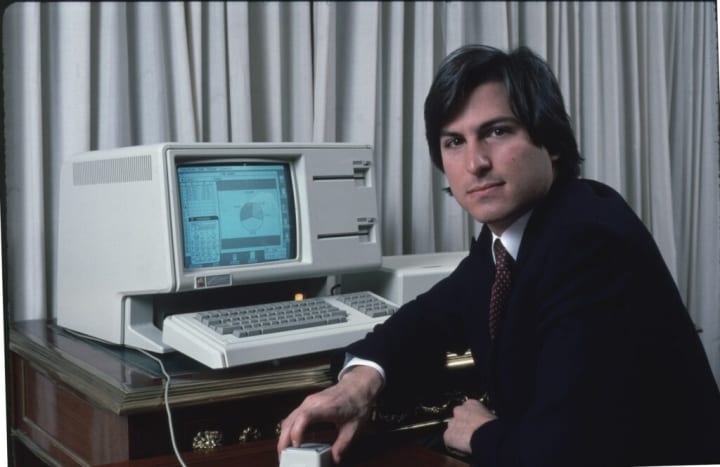
The Apple Lisa was notable for having a graphical user interface — a rare feature for personal computers in the 1980s. Though laptops are now common, owning a computer with a graphical interface back then was considered quite exclusive. Many were willing to spend nearly $10,000 to purchase this device. However, apart from its interface, the computer’s high price wasn't justifiable. It was also slow and difficult to use, frustrating users. In 1986, Apple offered a trade-in program where Lisa owners could buy a Mac Plus worth $4,100 for just $1,500. Many took the offer. Though Apple sold about 10,000 Lisa units at $9,995 each, the manufacturing cost was over $150 million, while earnings from it were just around $100 million.
Apple Macintosh Portable
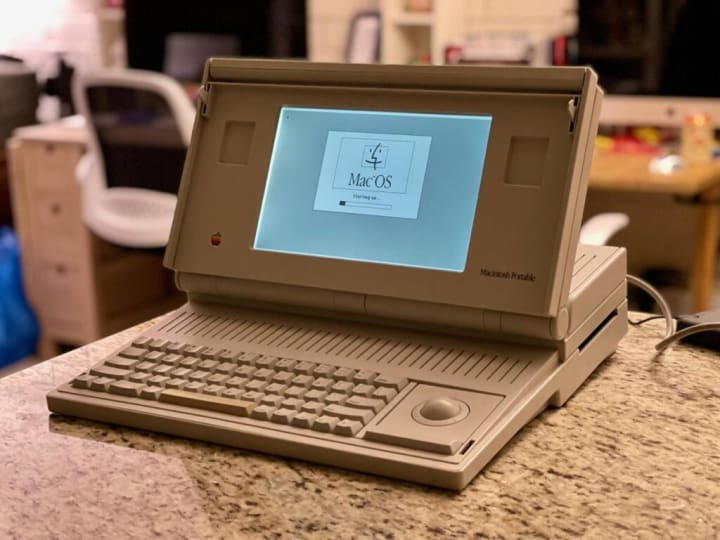
This was Apple’s first battery-powered laptop. Although it was branded “portable,” the Macintosh Portable was anything but easy to carry — it weighed nearly 7 kilograms. Battery issues sometimes made the device fail to power on even when plugged in. Launched in 1989, it remained on the market for only two years. Priced at $7,300, the device had 1MB of RAM and 256KB of ROM. As a “portable” device, it was essentially a disaster.
Copland
Copland was one of Apple’s most ambitious projects. In the 1990s, as Macintosh systems struggled to keep up with the times, Apple planned to release a new model OS under the name "Copland." It was supposed to run various Windows apps and compete directly with Microsoft’s operating system. But after years of development, Apple failed to deliver satisfactory results, and the project was ultimately scrapped
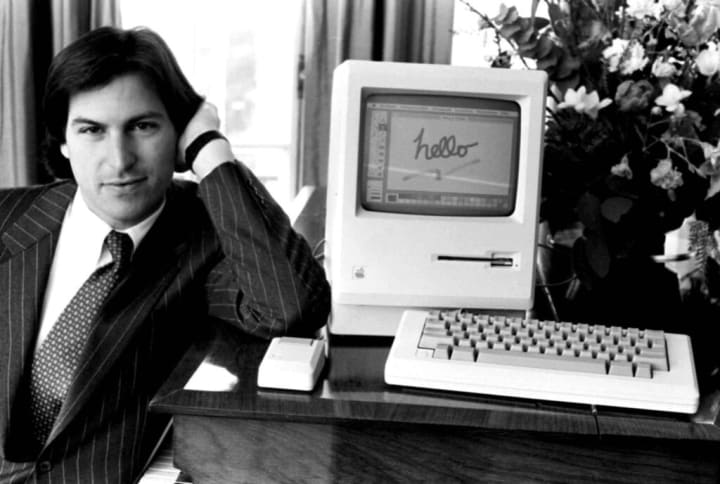
The Apple Pippin
Apple lost its bet in the console gaming market with the Pippin. Gaming giants like Sony, Nintendo, and Sega already ruled the space, and game developers designed their products accordingly. The Apple Pippin was released in 1996 with a price tag of $600, while the high-performance Nintendo 64 was available for just $200. Due to the high price and limited game selection, the Pippin couldn’t last more than a year in the market. Although Apple aimed to sell 300,000 units in the first year, it only managed to sell between 12,000 and 42,000 units.
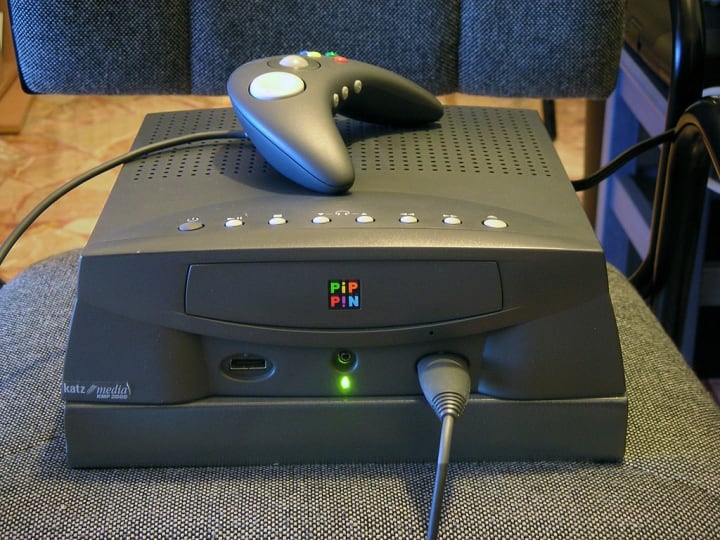
The Newton
Apple hoped to cause a revolution with its device The Apple Newton, which shared a name with the famed scientist associated with apples. Introduced in 1987, the Newton marked Apple’s entry into the PDA market. Its standout feature was converting handwritten input into text. However, the device’s performance was underwhelming, making it one of Apple’s notable failures.
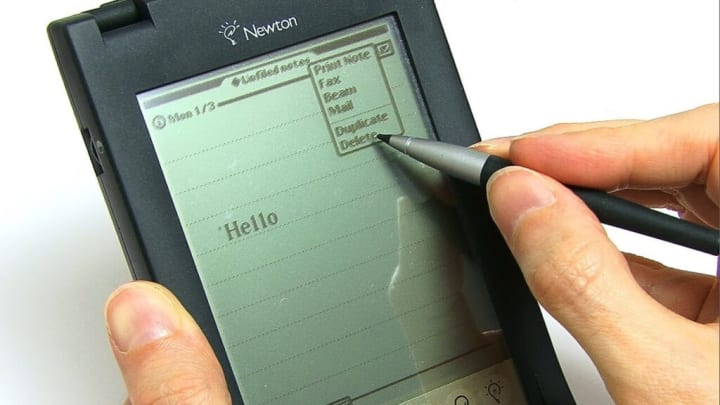
Apple eMate
The Apple eMate was a hybrid between a palmtop and a laptop. It was the only Newton device that featured a built-in keyboard and ran on the Newton OS. Priced reasonably at $799, its design even inspired future Apple products like the iMac and iBook. However, it was only sold to educational institutions, limiting its market reach. As a result, it was discontinued just 11 months after release.
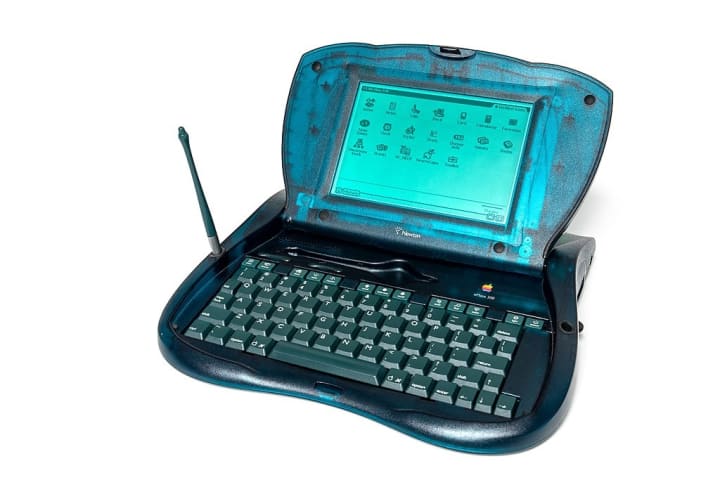
20th Anniversary Macintosh
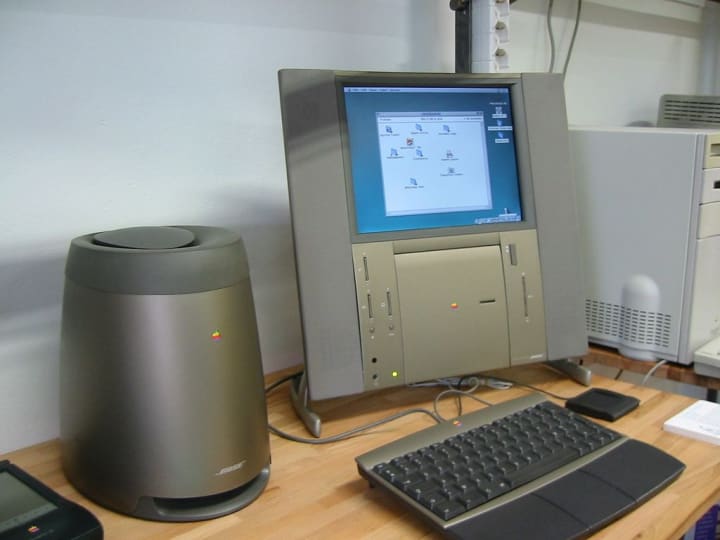
To mark its 20th anniversary, Apple released a special edition Macintosh computer loaded with features like an LCD display, FM radio, TV tuner, CD-ROM drive, and a Bose sound system. It was a true “all-in-one” device. But the abundance of features pushed the price to a steep $7,500. Despite producing only 12,000 units, Apple struggled to sell them. Eventually, the company slashed the price by 75%, selling it off for $2,000 to clear the inventory.
G4 Cube
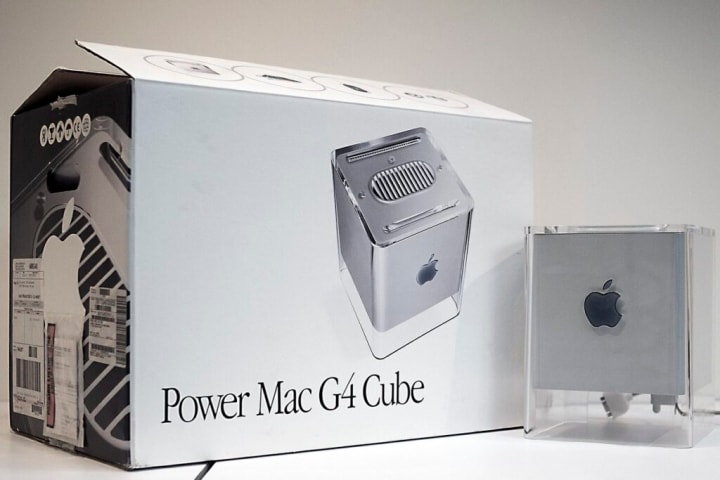
Apple launched the visually stunning G4 Cube in 2001. Priced at $1,799, it didn’t include a monitor. Meanwhile, users could buy the Power Mac G4 — with similar specs — for just $200. Given the pricing, the G4 Cube was considered unnecessary and overpriced, and it disappeared from the market within a year.
AirPower Wireless Charger
In 2017, Apple announced the AirPower Mat, which promised to charge an iPhone, AirPods, and Apple Watch simultaneously while displaying real-time charging status. However, when Apple failed to launch the product on the promised date in 2018, the project was eventually canceled.
The
About the Creator
Riham Rahman
Writer, History analyzer, South Asian geo-politics analyst, Bengali culture researcher
Aspiring writer and student with a deep curiosity for history, science, and South Asian geopolitics and Bengali culture.
Asp
Keep reading
More stories from Riham Rahman and writers in Earth and other communities.
Unanswered Questions from the Harry Potter Series | Part 2
A whole generation grew up under the magical spell of Harry Potter’s world. Amidst the sea of movies, series, and books, the luminous flame of the Harry Potter saga still burns brightly. Potterheads have wandered time and again through the courtyards of Hogwarts, cast their favorite spells with a flick of the wand, and experimented eagerly with various potions. Countless people, despite being mere Muggles, have sighed in frustration and dreamt of soaring through the sky on a broomstick in their childhood.
By Riham Rahman 8 months ago in Journal
Japan Furniture Market Size and Forecast 2025–2033
Introduction Japan’s furniture industry stands at a unique intersection of tradition and innovation. Renowned worldwide for its craftsmanship, minimalist design, and functional aesthetics, Japanese furniture reflects the nation’s cultural emphasis on harmony, efficiency, and simplicity. Today, as Japan’s population becomes increasingly urban, digitally connected, and environmentally conscious, the furniture market is undergoing a quiet but significant transformation.
By Janine Root about 21 hours ago in Earth
How Dangerous Is Chernobyl Radiation Today
many people still ask the same question: how dangerous is chernobyl radiation today? The short answer is that the danger still exists, but it is very different from what it was in 1986. Radiation levels have dropped a lot, some areas are safer than others, and strict rules remain in place to protect people and the environment. To understand the real risk today, it is important to look at what happened, what has changed, and what dangers still remain.
By Horizon Dwellers7 days ago in Earth




Comments (1)
Hello, just wanna let you know that according to Vocal's Community Guidelines, we have to choose the AI-Generated tag before publishing when we use AI 😊