
Threats to Octopus Populations.
Conservation Challenges in the Oceans.

Title: Threats to Octopus Populations: Conservation Challenges in the Oceans
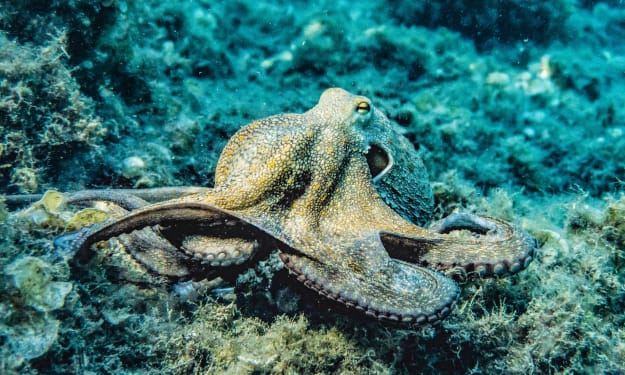
Octopuses are fascinating creatures that inhabit oceans around the world. They are known for their intelligence, camouflage abilities, and unique physical characteristics. However, the future of octopus populations is uncertain, as they face a range of threats from human activities and environmental changes. In this article, we will explore the conservation challenges facing octopus populations in the oceans.
Introduction:
Octopuses are fascinating creatures that inhabit the world's oceans, captivating us with their intelligence, unique abilities, and intricate behaviors. However, these remarkable cephalopods face numerous threats that put their populations at risk. In this article, we will explore some of the significant challenges that octopuses encounter in their natural habitats and discuss the importance of conservation efforts to protect these incredible creatures.
1. Overfishing and Bycatch:
One of the most significant threats to octopus populations is overfishing. Octopuses are commercially valuable and are targeted by fisheries worldwide, both for their meat and for the aquarium trade. The high demand for octopus has led to unsustainable fishing practices, including the use of destructive fishing gear such as bottom trawling, which can destroy octopus habitats and result in high mortality rates.
Furthermore, octopuses often become unintentional victims of bycatch, where they are caught in fishing nets intended for other species. Bycatch poses a significant threat to octopus populations, as these animals have low reproductive rates and slow growth, making it difficult for their populations to recover from excessive mortality.
2. Habitat Destruction and Pollution:
Octopuses rely on healthy marine ecosystems to thrive. However, habitat destruction due to coastal development, pollution, and climate change poses a severe threat to their survival. Coastal development, such as the construction of harbors and marinas, can destroy crucial octopus habitats like coral reefs and seagrass beds.
Additionally, pollution from industrial and agricultural activities introduces harmful chemicals and toxins into the oceans. Octopuses, being sensitive to changes in water quality, can suffer adverse effects from pollution, including reduced reproductive success and impaired immune systems.
3. Climate Change and Ocean Acidification:
Climate change is a global issue that affects all marine life, including octopuses. Rising ocean temperatures have a direct impact on these cold-blooded animals, as they are highly sensitive to temperature fluctuations. Changes in water temperature can disrupt the delicate balance of their physiological processes, impairing their growth, reproduction, and overall survival.
Moreover, increasing levels of carbon dioxide in the atmosphere lead to ocean acidification. Acidic waters hinder the ability of octopuses and other marine organisms to build and maintain their shells, which can have cascading effects on the entire ecosystem.
4. Lack of Regulatory Measures and Awareness:
The conservation of octopus populations faces significant challenges due to the lack of effective regulatory measures and public awareness. Many regions lack specific regulations for octopus fisheries, resulting in uncontrolled fishing practices. Additionally, the illegal trade of octopuses for the aquarium industry further threatens their populations.
Public awareness and education play a crucial role in the conservation of octopuses. It is essential to promote sustainable fishing practices, responsible consumption, and the establishment of protected marine areas to safeguard octopus habitats and populations.
Conclusion:
The threats facing octopus populations in our oceans are numerous and complex. Overfishing, habitat destruction, pollution, climate change, and a lack of regulatory measures pose significant challenges to their survival. To ensure the long-term viability of these incredible creatures, it is imperative that conservation efforts focus on sustainable fishing practices, habitat protection, pollution reduction, and public education.
By raising awareness about the importance of octopuses and their role in marine ecosystems, we can foster a sense of responsibility towards their conservation. Only through collaborative efforts, including international cooperation, effective regulations, and public engagement, can we mitigate the threats and safeguard the future of octopus populations in our oceans. Let us strive to protect these fascinating creatures and preserve the richness and diversity of our marine environments for generations to come.
About the Creator
Keep reading
More stories from Mr Royal Honey and writers in Earth and other communities.
Incredible Octopus.
The octopus is a fascinating creature that has captured the imagination of people for centuries. With its eight arms, suction cups, and chameleon-like ability to change color, the octopus is truly one of the most incredible creatures in the underwater world.
By Mr Royal Honey 3 years ago in Earth
Beckhams Spotted Together in Paris After Brooklyn Row
A Family Reunion in the City of Light David and Victoria Beckham were recently spotted together in Paris, drawing attention from fans and media alike. The appearance comes shortly after reports of a disagreement between the famous couple and their eldest son, Brooklyn Beckham, who has been navigating his own professional and personal endeavors.
By Aarif Lashari2 days ago in Earth
🅼🅸🅳🅽🅸🅶🅷🆃 🆂🅽🅰🅲🅺🆂
"It's 10 in Tuscon! We all know what that means... It's Time for Midnight Snacks with your man, Gerald Gee! Ready to spend the night together? Me too! I'm full of snacks and can't wait to regurgitate them all back into your hungry ears. Crack a brew! Pop some corn! Anything to get ready for one hell of a show where the talk maybe cheap but the words cut deep...
By Lamar Wiggins6 days ago in Fiction



Comments
There are no comments for this story
Be the first to respond and start the conversation.