
The Zero Waste Movement
How Living with Less is Changing the World
The Zero Waste Movement: How Living with Less is Changing the World
In a world increasingly defined by consumerism and convenience, the concept of waste has become an accepted part of daily life. However, the environmental and social costs of this wasteful culture are staggering, from overflowing landfills to oceans choked with plastic. In response to these growing concerns, a global movement is gaining momentum—one that challenges the status quo and offers a hopeful alternative. The zero waste movement is more than just a lifestyle trend; it’s a powerful call to rethink how we consume, dispose, and live. This article explores the inspiring principles behind the zero waste movement, its impact on individuals and communities, and how it’s paving the way for a more sustainable and mindful future.
1. Understanding Zero Waste: A Philosophy of Responsibility
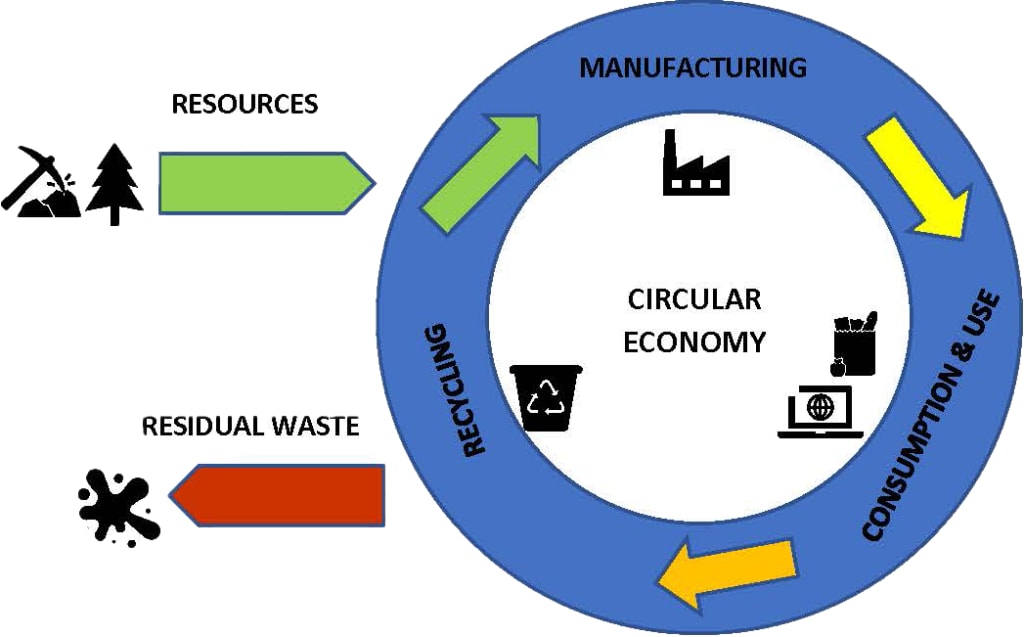
The zero waste movement is built on a simple yet profound idea: to minimize waste as much as possible by rethinking the way we produce, consume, and discard goods. The goal is to create a circular economy, where resources are used efficiently, products are designed to last, and everything that can be reused, repurposed, or recycled is kept out of landfills and incinerators.
Real-life Example: Bea Johnson, often considered the pioneer of the zero waste movement, began her journey toward a waste-free lifestyle in 2008. She and her family of four managed to reduce their annual waste to fit into a single mason jar. Through simple changes like buying in bulk, refusing single-use plastics, composting, and prioritizing quality over quantity, the Johnsons have drastically minimized their environmental impact. Bea’s blog, book, and public speaking have inspired countless others to embrace the zero waste lifestyle, proving that anyone can make a difference.
Bea Johnson’s story illustrates that zero waste is not about perfection but about making conscious, sustainable choices. It’s about understanding the consequences of our actions and taking responsibility for our environmental footprint.
2. The Environmental Impact: Reducing Our Footprint on the Planet
The waste generated by modern society is a significant contributor to environmental degradation. Landfills produce methane, a potent greenhouse gas, and incineration releases harmful pollutants into the atmosphere. Additionally, the extraction, production, and transportation of goods consume vast amounts of energy and resources, further exacerbating environmental issues.
Real-life Example: San Francisco, California, is one of the leading cities in the zero waste movement. In 2002, the city set an ambitious goal to achieve zero waste by 2020. Although the city has not completely eliminated waste, it has made significant strides, diverting over 80% of its waste from landfills through recycling, composting, and waste reduction initiatives. San Francisco’s success demonstrates the power of community action and government policy in driving large-scale environmental change.
San Francisco’s efforts have led to reduced greenhouse gas emissions, less pollution, and a cleaner urban environment. By prioritizing waste reduction, the city has shown that it’s possible to make a significant positive impact on the planet through collective action.
3. The Social Impact: Building Stronger, More Resilient Communities
Beyond its environmental benefits, the zero waste movement also fosters stronger, more connected communities. By encouraging people to share, repair, and repurpose, zero waste practices help build a sense of community and mutual support. Additionally, reducing waste often leads to a simpler, more intentional lifestyle that prioritizes experiences and relationships over material possessions.
Real-life Example: The Repair Café movement, which started in Amsterdam in 2009, is a global initiative that embodies the spirit of zero waste. These community-driven events bring people together to repair broken items, from electronics to clothing, rather than discarding them. Repair Cafés not only reduce waste but also revive skills that have been lost in today’s throwaway culture. They provide a space for people to connect, share knowledge, and work together to extend the life of their belongings.
The success of Repair Cafés around the world highlights how zero waste practices can strengthen social ties and empower individuals to take control of their consumption habits. By fostering collaboration and resourcefulness, these initiatives help build more resilient and sustainable communities.
4. Overcoming Challenges: The Path to a Zero Waste Lifestyle
While the benefits of a zero waste lifestyle are clear, the journey is not without its challenges. Many people face obstacles such as limited access to bulk stores, time constraints, and the initial learning curve of adopting new habits. However, these challenges can be overcome with creativity, persistence, and a supportive community.
Real-life Example: Lauren Singer, founder of the blog Trash is for Tossers, has become a leading voice in the zero waste movement by documenting her own transition to a waste-free lifestyle. After realizing the amount of waste she was generating as a student, Lauren decided to change her habits and commit to zero waste living. She started by making small changes, like carrying a reusable bag and water bottle, and gradually expanded her efforts to include DIY cleaning products and package-free shopping. Despite the challenges, Lauren’s determination and resourcefulness have inspired millions of people to reduce their own waste.
Lauren’s story shows that the path to zero waste is a journey of continuous improvement. It’s about starting where you are, making small changes, and building on your successes over time. Every effort, no matter how small, contributes to a larger movement toward sustainability.
5. The Future of Zero Waste: A Vision for Sustainable Living
As awareness of environmental issues grows, the zero waste movement is gaining traction worldwide. From individuals and families to businesses and governments, more and more people are recognizing the importance of reducing waste and adopting sustainable practices. The future of zero waste lies in expanding these efforts and integrating them into every aspect of our lives.
Real-life Example: New Zealand has embraced the zero waste philosophy at a national level, with several towns and cities working toward becoming zero waste communities. The town of Kaitaia, for example, has implemented a range of initiatives, including community composting, recycling programs, and educational campaigns to reduce waste. The local government works closely with residents to promote zero waste principles, and the town’s efforts have led to a significant reduction in landfill waste.
Kaitaia’s commitment to zero waste reflects a growing global trend: the realization that sustainable living is not just a personal responsibility but a collective one. By working together, communities can create lasting change and build a future where waste is minimized, resources are conserved, and the environment is protected.
Conclusion
The zero waste movement is more than just a response to the environmental challenges we face today; it’s a visionary approach to living in harmony with our planet. By rethinking how we produce, consume, and dispose of goods, we can reduce our environmental impact, build stronger communities, and create a more sustainable future for generations to come. Whether through individual efforts like those of Bea Johnson and Lauren Singer or collective actions like those in San Francisco and Kaitaia, the journey to zero waste is a powerful reminder that change begins with each of us.
As we continue to embrace the principles of zero waste, we are not just reducing our trash; we are reimagining our relationship with the world around us. By living with less, we gain more—more connection, more resilience, and more hope for a sustainable future. The zero waste movement is not just about what we throw away; it’s about what we choose to keep—our commitment to the environment, our values, and our shared responsibility to protect the planet for future generations.
About the Creator
Keep reading
More stories from Eteka Bassey and writers in Earth and other communities.
Green Architecture
As the world continues to grapple with the realities of climate change, the need for sustainable solutions in every aspect of our lives has never been more urgent. One of the most significant areas where sustainability is taking root is in architecture. Green architecture, also known as sustainable or eco-friendly architecture, is not just a trend; it is a critical movement reshaping the way we design and build our cities. These innovative practices are transforming urban living, reducing our environmental footprint, and paving the way for a more sustainable future.
By Eteka Basseyabout a year ago in Earth
Melting Antarctic Ice Did the Opposite of What Scientists Expected
The Antarctic ice sheet, one of the largest reservoirs of frozen water on Earth, has long been under close observation by climate scientists. Conventional wisdom suggested that as global temperatures rise, the ice sheet would steadily thin and retreat, contributing to accelerating sea-level rise. But recent research is showing that parts of Antarctica are behaving in ways scientists did not anticipate, potentially rewriting our understanding of how the southernmost continent reacts to climate change.
By Sajida Sikandar3 days ago in Earth




Comments
There are no comments for this story
Be the first to respond and start the conversation.