
A Rare Polar Vortex Disruption Is Approaching — What It Means for February Weather
Meteorologists warn that an unusually powerful polar vortex breakdown could bring extreme cold, storms, and climate surprises across the Northern Hemisphere
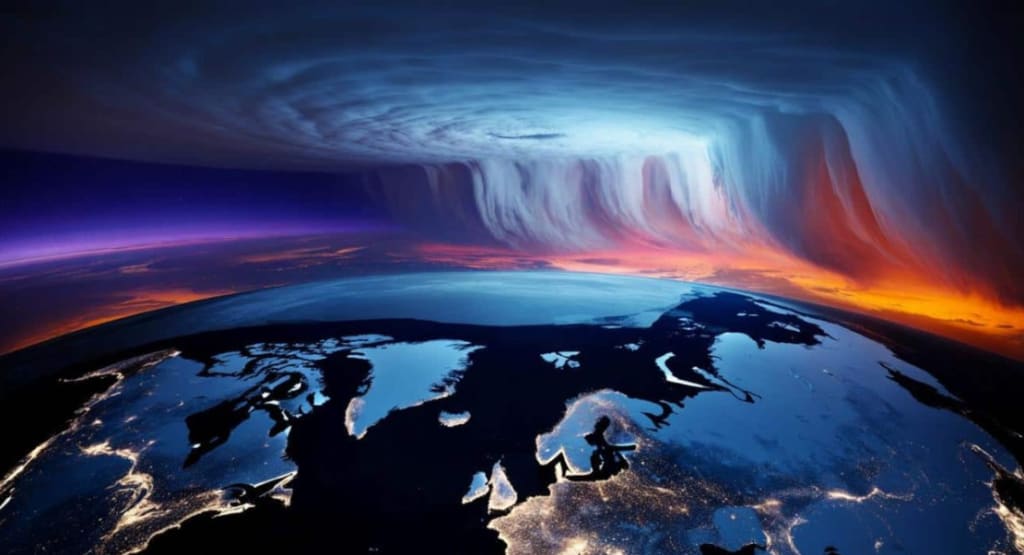
A February Weather Event Like No Other
Meteorologists are sounding the alarm over a major polar vortex disruption forming unusually early and with rare intensity. While polar vortex events are typically associated with deep winter months like December and January, this upcoming breakdown in February is being described as nearly unprecedented in scale.
The polar vortex is a powerful band of winds circling the Arctic, keeping cold air locked near the North Pole. When it weakens or breaks apart, that cold air can spill southward, triggering extreme cold snaps, snowstorms, and unusual weather patterns across North America, Europe, and Asia.
This looming disruption could reshape weather forecasts for weeks — and it also raises new questions about how climate change is influencing atmospheric patterns.
What Is the Polar Vortex? (In Simple Terms)
The polar vortex is not a storm but a massive circulation of cold air in the upper atmosphere. Think of it as a giant spinning wall that traps freezing Arctic air.
When the vortex is strong, cold air stays in the Arctic.
When it weakens or splits, cold air escapes and spreads south.
This process is known as Sudden Stratospheric Warming (SSW), where temperatures in the stratosphere rise rapidly, disrupting the vortex’s stability.
Why This February Disruption Is So Unusual
Meteorologists say the current signals are rare for this time of year. By February, the polar vortex usually stabilizes or weakens gradually as spring approaches. Instead, atmospheric models are showing:
A sharp warming in the stratosphere
A possible split or collapse of the vortex
Cold air plunges toward mid-latitudes
Experts describe the event as one of the strongest February disruptions in decades, with atmospheric patterns not commonly seen in historical records.
What Weather Impacts Could Happen?
If the polar vortex breaks down as expected, the effects could be dramatic and widespread.
1. Extreme Cold Outbreaks
Cold Arctic air could surge into:
The United States and Canada
Europe
Parts of Asia
Some regions could experience temperatures far below seasonal averages, with dangerous wind chills.
2. Snowstorms and Ice Events
Cold air interacting with moist systems can create:
Heavy snowfall
Ice storms
Blizzard conditions
Cities that normally experience mild February weather could face unexpected winter extremes.
3. Stormy and Unpredictable Weather
A disrupted polar vortex can alter jet stream patterns, leading to:
Powerful storms
Flooding rains in some areas
Drought or warmth in others
Weather patterns may become chaotic and difficult to predict for several weeks.
Could This Be Linked to Climate Change?
Scientists are still debating the exact relationship between climate change and polar vortex disruptions, but several theories exist.
Warming Arctic, Weaker Vortex
The Arctic is warming faster than the rest of the planet. Some researchers believe this reduces the temperature contrast between the Arctic and mid-latitudes, weakening the jet stream and making polar vortex disruptions more frequent.
More Extreme Weather Patterns
A wobbling jet stream can cause:
Longer-lasting heatwaves
Extended cold spells
Persistent storms
This means climate change may not only cause warming — it can also increase extreme cold events in certain regions.
What This Means for People
For Communities
Increased heating demand
Higher energy prices
Risk of power outages
Transportation disruptions
For Agriculture
Crops could be damaged by late-season freezes
Livestock could be affected by harsh cold
For Public Safety
Hypothermia risks
Dangerous driving conditions
Strain on emergency services
Meteorologists recommend staying informed, especially if you live in regions prone to winter storms.
How Long Could the Effects Last?
A polar vortex disruption doesn’t just cause a single cold day. The effects can last two to six weeks, depending on how the atmosphere reorganizes.
Some regions may experience waves of cold, while others may swing between warm and cold conditions.
What Meteorologists Are Watching Now
Weather experts are closely monitoring:
Stratospheric temperature spikes
Jet stream shifts
Surface pressure patterns
Computer model trends
If the disruption fully develops, forecasts for late February and early March could change significantly.
Conclusion: A Weather Event to Watch Closely
This upcoming polar vortex disruption is shaping up to be one of the most remarkable February atmospheric events in recent history. While not every region will experience extreme cold, the global weather pattern could become highly unstable and surprising.
Events like this highlight how interconnected Earth’s atmosphere is — and how climate change may be influencing systems once considered predictable. Whether it brings snowstorms, cold waves, or unusual warmth, one thing is certain: February’s weather story is far from ordinary this year.
Staying informed and prepared is the best way to navigate the potential impacts of this rare atmospheric phenomenon.
About the Creator
Protesters Bid to Save the ‘Heart’ of Margate
Residents and activists in Margate have launched a passionate campaign to save what they describe as the town’s “heart” — a historic public space facing redevelopment. The dispute has ignited local debate over preserving heritage, supporting small businesses, and maintaining the cultural identity of one of England’s most iconic seaside towns.
By Aarif Lashari2 days ago in Earth
The Devil's Triangle
The sails ruffled in the breeze as we cruised along. The Sea Breeze was a mid-size catamaran that sailed out of Royal Naval Dockyard in Bermuda. We had booked this trip weeks in advance and were now looking at our Captain, Spike and two boat hands. Paddy and Wilson seemed like nice guys, joking around with the passengers and telling us some stories about Bermuda that only locals would know. Their island accents sounded almost British but they were pleasant to listen to.
By Barbara Gode Wilesa day ago in Fiction




Comments
There are no comments for this story
Be the first to respond and start the conversation.