
The Wrath of Nature: How Climate Change Fuels Extreme Weather Events
Unveiling the Rising Threat of Heatwaves, Hurricanes, and Floods in a Warming World
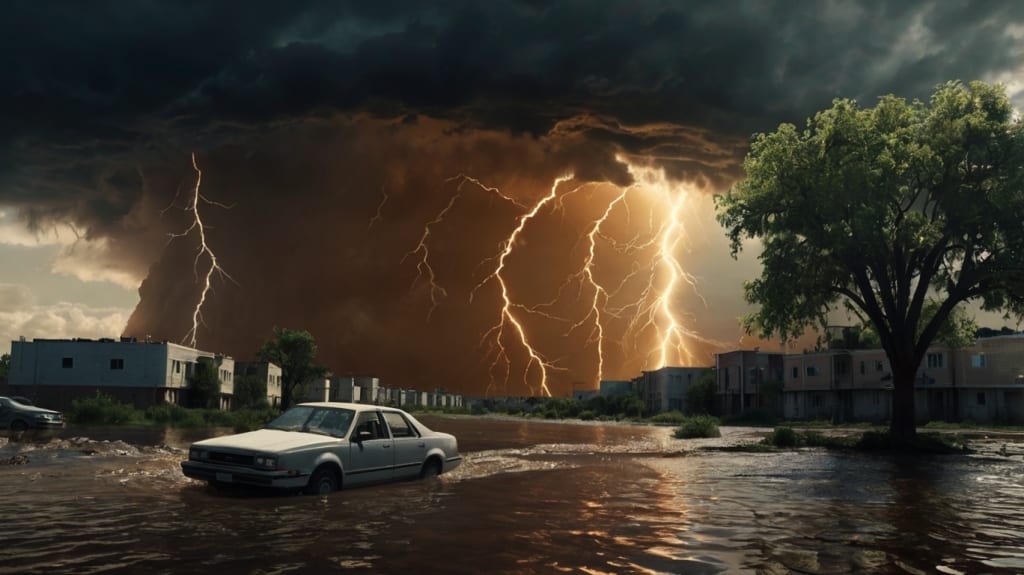
Climate change has become one of the most pressing issues of our time, impacting the environment, economies, and lives across the globe. Among its most visible effects are the increasing frequency and intensity of extreme weather events such as excessive heatwaves, hurricanes, and floods. This article explores the connection between climate change and these phenomena, their impacts, and the steps we can take to mitigate the crisis.
1. What is Climate Change?
Climate change refers to long-term shifts in global or regional climate patterns, primarily caused by human activities such as burning fossil fuels, deforestation, and industrial processes. These activities release greenhouse gases like carbon dioxide (CO2) and methane into the atmosphere, trapping heat and causing global temperatures to rise.
Key Indicators of Climate Change:
- Rising global temperatures.
- Melting polar ice caps and glaciers.
- Rising sea levels.
- Changes in precipitation patterns.
2. The Link Between Climate Change and Extreme Weather
Climate change intensifies natural weather patterns, making extreme events more frequent and severe.
a. Heatwaves
Heatwaves, or prolonged periods of excessive heat, are becoming more common and intense due to global warming. Warmer temperatures increase the likelihood of heat-related illnesses and wildfires.
b. Hurricanes
Hurricanes thrive on warm ocean waters. As sea surface temperatures rise, hurricanes become more powerful, bringing stronger winds, heavier rainfall, and devastating storm surges.
c. Other Extreme Events
Floods: Rising sea levels and increased rainfall contribute to more frequent and severe flooding.
Droughts: Higher temperatures lead to faster evaporation, drying out soil and water sources.
3. The Impacts of Extreme Weather Events
a. Environmental Impacts
Ecosystem Disruption: Extreme weather events disrupt ecosystems, affecting plants, animals, and biodiversity.
Soil Erosion: Floods and hurricanes wash away fertile soil, reducing agricultural productivity.
b. Economic Consequences
Property Damage: Hurricanes and floods cause billions of dollars in damages to infrastructure and homes.
Agricultural Losses: Heatwaves and droughts reduce crop yields, leading to food shortages and higher prices.
c. Human Health and Safety
Heat-Related Illnesses: Rising temperatures increase cases of heatstroke and dehydration.
Displacement: Floods and hurricanes force millions to leave their homes, creating climate refugees.
4. Real-World Examples
a. The European Heatwave of 2023
Europe experienced record-breaking temperatures, with many regions surpassing 40°C. This heatwave led to wildfires, water shortages, and significant health impacts.
b. Hurricane Ian (2022)
Hurricane Ian struck the southeastern United States, causing catastrophic flooding and wind damage, leaving thousands homeless.
c. Australian Bushfires (2019-2020)
Prolonged heatwaves and drought fueled massive bushfires in Australia, destroying ecosystems and displacing wildlife.
5. Why Are Extreme Weather Events Increasing?
a. Warming Oceans
Warmer ocean temperatures provide more energy for storms, making hurricanes stronger and longer-lasting.
b. Melting Ice and Rising Sea Levels
Melting glaciers contribute to rising sea levels, increasing the risk of coastal flooding.
c. Changes in Atmospheric Patterns
Climate change disrupts atmospheric patterns like the jet stream, leading to unpredictable and extreme weather conditions.
6. How Can We Mitigate the Crisis?
a. Reducing Greenhouse Gas Emissions
- Transition to renewable energy sources like solar and wind.
- Promote energy efficiency in homes and industries.
- Support reforestation efforts to absorb CO2.
b. Building Resilient Infrastructure
- Construct flood-resistant buildings and levees.
- Develop early warning systems for extreme weather events.
c. Raising Awareness and Advocacy
- Educate communities about climate change and its impacts.
- Advocate for stronger climate policies at local and global levels.
7. The Role of Individuals in Combating Climate Change
a. Lifestyle Changes
- Use public transportation or carpool to reduce carbon emissions.
- Reduce, reuse, and recycle to minimize waste.
- Support sustainable products and practices.
b. Community Actions
- Participate in local tree-planting drives.
- Encourage neighbors to adopt eco-friendly habits.
- Volunteer for climate-focused organizations.
8. The Way Forward
The increasing frequency of extreme weather events is a wake-up call for humanity. Addressing climate change requires collective action from governments, businesses, and individuals. By adopting sustainable practices and supporting policies that reduce greenhouse gas emissions, we can mitigate the impacts of climate change and build a safer, more resilient future.
Conclusion
Climate change and extreme weather events are interconnected, with devastating consequences for the environment, economy, and human lives. While the challenges are immense, so are the opportunities to make a difference. By understanding the causes and impacts of climate change and taking proactive steps, we can combat this crisis and ensure a sustainable planet for future generations.
About the Creator
Birds with Wild Hairdos
Cockatoos are known for their expressive crests, which they raise or lower depending on their mood. The crests can be white, yellow, or pink. These charismatic birds are native to the Australian continent, the islands of the Indo-Australian archipelago, and parts of New Guinea. There are 21 different species of cockatoo, varying in size from the diminutive Galah to the imposing Sulphur-crested Cockatoo. Most cockatoo species are highly social birds, forming strong pair bonds that often last a lifetime. Cockatoos are primarily herbivores, with a diet consisting of seeds, nuts, fruits, roots, and occasionally insects and larvae.
By Rasma Raistersa day ago in Earth
Regenerative Agriculture's Quiet Revolution
by Futoshi Tachino Regenerative agriculture — a holistic approach to farming that restores soil health, biodiversity, and resilience — has rapidly gained traction in recent years. This shift remains largely underappreciated by the public; in a 2024 survey, around 43% of U.S. consumers had never heard of regenerative agriculture (and another 28% had only minimal awareness) [4]. Despite this low profile, tangible developments in regenerative farming are delivering robust results. Farmers are proving that it’s possible to maintain high yields with fewer chemical inputs, improve profitability, and enhance ecological outcomes — all at once. This article explores the evidence-backed progress of regenerative agriculture across regions, the policies and technologies driving its adoption, and why this overlooked sustainability success story deserves greater recognition.
By Futoshi Tachino7 days ago in Earth




Comments
There are no comments for this story
Be the first to respond and start the conversation.