
The World’s Smallest Elephants Are Facing Extinction.
We must save them!
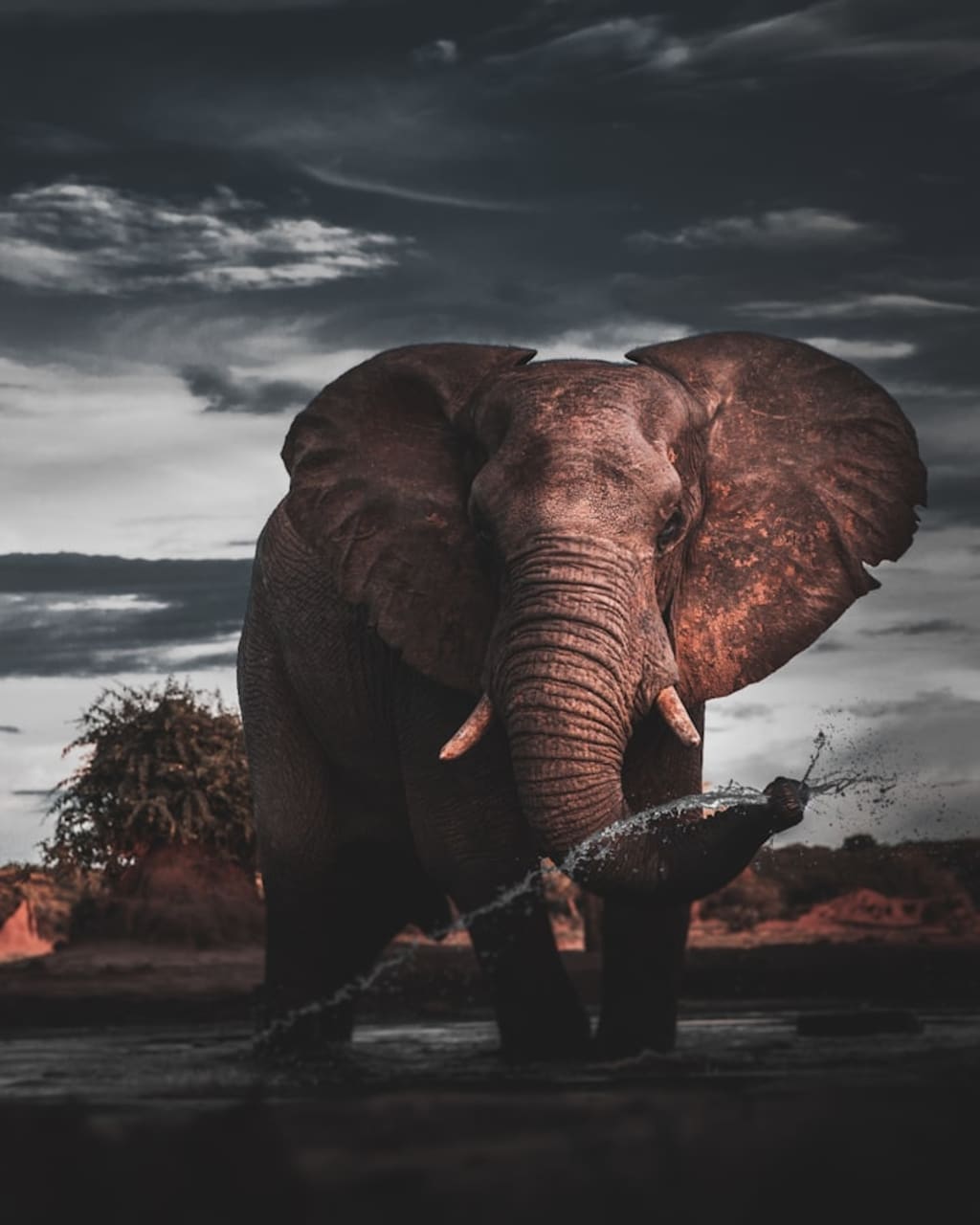
In the dense rainforests of Borneo, the tiniest elephants in the world, the Borneo pygmy elephants, are often overlooked and go unnoticed as they peacefully wander through the underbrush. This gentle subspecies of the Asian elephant exhibits stout bodies, calm personalities, and long tails which alongside their oversized ears set them apart from their larger relatives. Despite the distinguishing attributes of the Borneo pygmy elephants, the species is currently facing extinction as the changes engulfing their forests are becoming increasingly dire.
A Unique Species in Peril
The Borneo pygmy elephant (Elephas maximus borneensis) possesses unique genetic and physical traits which differentiate it from other Asian elephants. Their DNA suggests that these populations may have been cut off from the rest of the mainland populations for tens of thousands of years. At around 8 to 9 feet tall at the shoulder, Borneo pygmy elephants are shorter than other elephants. Despite being more docile, Borneo pygmy elephants tended to survive in the dense Borneo rainforests due to their small size and passive nature. However, such traits today make the species further susceptible to human threats.
Borneo pygmy elephants are classified as one of the most endangered species in the world due to their limited range, shrinking population, and fragmented habitats. Current estimates claim that there are fewer than 1,500 left in the wild, with most residing in the state of Sabah, Malaysia. Smaller populations may also exist in the Indonesian part of Borneo.
Forests Under Siege
Borneo’s pygmy elephants are primarily threatened by habitat destruction. The ancient rainforests of Borneo have been decimated for palm oil plantations, logging, and other infrastructural advancements in the recent decades. What used to be a forest and is now considered a ‘lost paradise’ is a blend of montane green islands separated by roads, farms, and sprawling plantations.
This fragmentation has disastrous consequences. Elephants require large areas to find food, water, and mates. When their movement is blocked by human development, they are forced into smaller, less suitable areas. Conflicts often arise when elephants wander into villages or plantations, damaging crops and property. In retaliation, some are poisoned or killed. In recent years, several gruesome cases of elephant deaths due to poisoning or shooting have shocked conservationists and the public alike.
Human-Wildlife Conflict and Poaching
In addition to habitat loss, Borneo’s pygmy elephants face increasing dangers from human-wildlife conflict. As forests shrink and food sources disappear, elephants are more likely to enter human territory in search of sustenance. Although they are protected by law, enforcement is often weak, and in remote areas, elephant deaths sometimes go unnoticed or unpunished.
While not as heavily targeted as African elephants, pygmy elephants are still vulnerable to poaching, especially for their tusks. Though only some males have tusks, they are still at risk from illegal wildlife trade and trophy hunting.
Conservation Efforts and Local Heroes
Despite the grim outlook, there is still hope. Several local and international conservation groups are working tirelessly to protect the Borneo pygmy elephant. Efforts include creating elephant corridors to reconnect fragmented habitats, educating local communities about peaceful coexistence, and using satellite tracking to monitor elephant movements.
One inspiring example is Dr. Nurzhafarina Othman, a Malaysian elephant researcher who has dedicated her career to studying and saving these gentle giants. Her work has shed light on elephant behavior, migration patterns, and social structures—data that is critical for developing effective conservation strategies. She is also an advocate for involving local communities in elephant conservation through education and sustainable development.
Programs that promote ecotourism and forest-friendly livelihoods are gaining traction. By showing local people that living elephants can bring economic benefits, these initiatives offer a compelling alternative to destructive land use practices.
Why Their Survival Matters
Borneo’s pygmy elephants are more than just charismatic animals—they are ecological engineers. As they move through the forest, they help disperse seeds, maintain open paths, and fertilize the soil. Their presence supports countless other species, many of which are also threatened.
Losing them would be a blow not just to Borneo’s biodiversity, but to the cultural and natural heritage of Southeast Asia. Their extinction would be irreversible—and entirely preventable.
A Shared Responsibility
It has been simpler to neglect the wild spaces in Borneo, where Pygmy elephants also face an existential challenge. To resolve the crisis, it will take more than just good intentions; it involves commitment, political action, sustainable land use policies, international support, and profound reverence for nature.
As the smallest elephants on Earth, their story might seem small too. But in their survival lies a powerful message: when we protect the vulnerable, we protect the future of our planet.
About the Creator
Keep reading
More stories from writers in Earth and other communities.
Disappeared Bodies, Mass Burials and ‘30,000 Dead’
For years, reports emerging from Iran have painted a grim and often confusing picture of death tolls tied to political unrest, state violence, pandemics, and human rights abuses. Allegations of disappeared bodies, mass burials, and claims of “30,000 dead” have circulated widely among activists, exiled communities, and international media. Yet, inside Iran, official figures often tell a very different story.
By Aarif Lasharia day ago in Earth


Comments (1)
Hi guys! I'm a new writer here..help me...🤚