
The World's Largest Rainforests
Largest Rainforests


Rainforests are Earth’s most diverse and vital ecosystems. Found in tropical regions, they are characterized by high rainfall, dense vegetation, and a complex web of life.
These verdant jungles are often called the "lungs of the planet" due to their crucial role in producing oxygen and absorbing carbon dioxide. They are home to an astonishing variety of plants and animals, many of which are yet to be discovered. From towering trees to tiny insects, rainforests support a delicate balance of life.
However, rainforests face significant threats from deforestation, caused by logging, agriculture, and mining. This destruction has devastating consequences for both wildlife and humans. Deforestation contributes to climate change, soil erosion, and the loss of countless plant and animal species.
Rainforests, often hailed as the "lungs of the planet," are vital ecosystems teeming with life and playing a crucial role in regulating Earth's climate. These vast, verdant expanses are home to millions of plant and animal species, many of which remain undiscovered. Here are the ten largest rainforests on Earth:
1. Amazon Rainforest
Spanning across nine South American countries, primarily Brazil, the Amazon is the world's largest and most renowned rainforest. It's a biodiversity hotspot, housing an estimated 10% of the world's known species. The Amazon River, the world's largest, flows through this ecological marvel, providing lifeblood to the rainforest.
2. Congo Basin Rainforest
Central Africa is home to the second-largest rainforest, the Congo Basin. Covering countries like the Democratic Republic of Congo, Gabon, and Cameroon, it's a vital carbon sink and a reservoir of biodiversity. The Congo Basin supports a unique array of wildlife, including gorillas, okapis, and forest elephants.
3. Borneo Rainforest
Shared by Malaysia, Indonesia, and Brunei, the Borneo rainforest is a treasure trove of biodiversity. Known for its orangutans, Bornean elephants, and endemic flora, this island ecosystem is a critical habitat for countless species.
4. New Guinea Rainforest
The island of New Guinea, divided between Indonesia and Papua New Guinea, boasts the fourth-largest rainforest globally. This remote region is characterized by high levels of endemism, with numerous plant and animal species found nowhere else on Earth.
5. Sundaland Rainforest
Encompassing parts of Malaysia, Indonesia, Singapore, and Brunei, the Sundaland rainforest is a vast and biologically rich ecosystem. It's known for its diverse flora and fauna, including tigers, orangutans, and rhinoceroses.
6. Valdivian Temperate Rainforest
Located in Chile and Argentina, the Valdivian Temperate Rainforest is a unique ecosystem characterized by towering trees and lush undergrowth. Despite its smaller size compared to tropical rainforests, it supports a diverse range of wildlife.
7. Mesoamerican Rainforest
Stretching from southern Mexico to Panama, the Mesoamerican rainforest is a biodiversity hotspot. It's home to a variety of species, including jaguars, tapirs, and numerous bird species.
8. Indo-Burma Rainforest
Covering parts of India, Myanmar, Thailand, Laos, Cambodia, Vietnam, and southern China, the Indo-Burma rainforest is a region of exceptional biodiversity. It's known for its rich cultural heritage and diverse wildlife.
9. West African Rainforest
Found in the Gulf of Guinea region, the West African rainforest is a vital ecosystem supporting a variety of primates, including gorillas and chimpanzees. It's also home to numerous endemic plant species.
10. Atlantic Forest
Once covering a vast area of Brazil, Paraguay, and Argentina, the Atlantic Forest has been significantly reduced due to human activities. Despite its current size, it remains a biodiversity hotspot and is home to many endangered species.
These ten rainforests, each with its unique characteristics and challenges, are crucial for the planet's health. They provide essential ecosystem services, such as climate regulation, water purification, and soil conservation. However, they face significant threats from deforestation, climate change, and human activities. Protecting and restoring these vital ecosystems is imperative for the well-being of both humans and wildlife.
Would you like to learn more about a specific rainforest or the threats they face?
About the Creator
Moharif Yulianto
a freelance writer and thesis preparation in his country, youtube content creator, facebook
Keep reading
More stories from Moharif Yulianto and writers in Earth and other communities.
The World's Lungs: The Six Largest Rainforests
Rainforests, often dubbed the "lungs of the planet," are vital ecosystems teeming with biodiversity and playing a crucial role in regulating global climate. These vast, verdant expanses are home to millions of plant and animal species, many of which remain undiscovered. Let's explore the six largest rainforests on Earth.
By Moharif Yulianto2 years ago in Earth
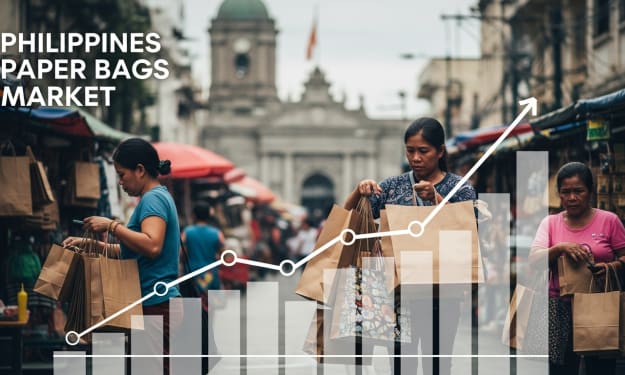
Philippines Paper Bags Market: Packaging Shifts, Environmental Policy & Changing Consumption Patterns
Philippines Paper Bags Market Overview The Philippines paper bags market is undergoing a structural shift as environmental regulation, packaging reform and consumer awareness increasingly influence material choices across industries. According to IMARC Group, The Philippines paper bags market size was valued at USD 28.59 Million in 2025 and is projected to reach USD 46.95 Million by 2034, growing at a compound annual growth rate of 5.66% from 2026-2034. This expansion reflects gradual but consistent changes in packaging practices rather than a single disruptive trend.
By Manisha Dixita day ago in Earth
How, Too
Many people wonder how, too. You are not alone, and I am an expert. I will teach you how, too! First, you need to remit a small application fee and fill out an application describing the nature of your financial situation and how often payments will be made, as this will have great bearing on how well I teach you how, too.
By Harper Lewis6 days ago in Fiction



Comments
There are no comments for this story
Be the first to respond and start the conversation.