
The whole world today is under the influence of air pollution
People today are affected by air pollution
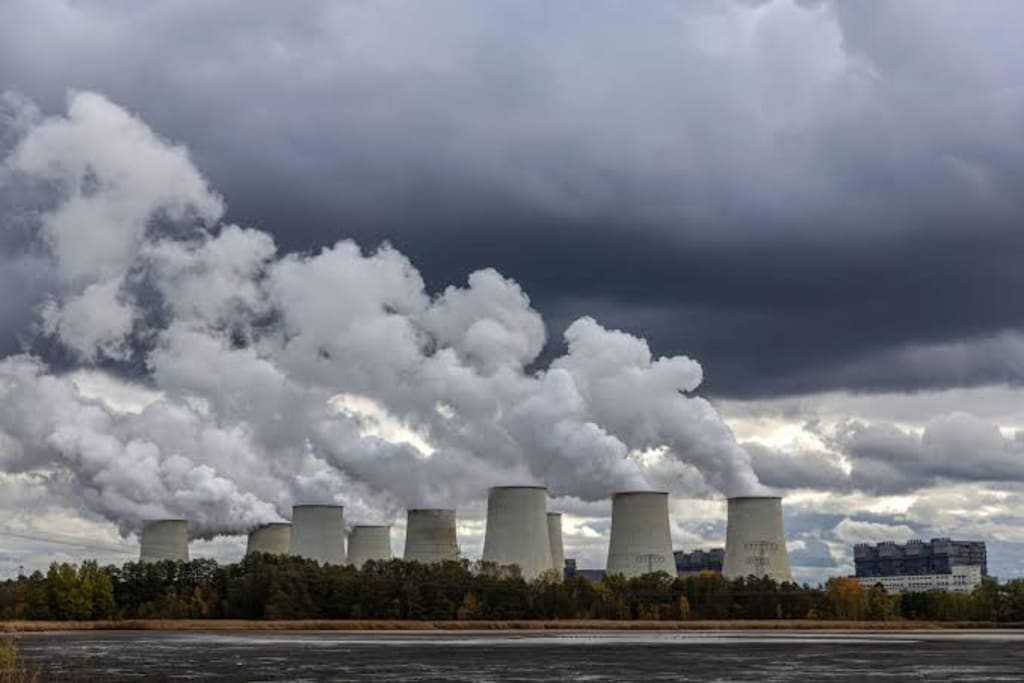
Air Pollution: A Global Threat to Health and Environment
The presence of harmful or excessive substances in the air we breathe is known as air pollution. It is a serious environmental problem that has repercussions for the climate, ecosystems, and health of millions of people all over the world. Air pollution has reached alarming levels in many parts of the world due to an increase in industrial activities, urbanization, and automobile use. Air Pollution Causes Pollution of the air can be brought on by both natural disasters and human activities. While natural sources such as volcanic eruptions, wildfires, and dust storms do contribute, human-made sources are the main cause of long-term air pollution. These include:
Emissions from Vehicles: Cars, trucks, buses, and motorcycles produce pollutants like particulate matter, nitrogen oxides, and carbon monoxide. In large cities, vehicle emissions are often the main source of air pollution.
Industrial Pollution: Factories, power plants, and refineries burn fossil fuels, releasing harmful gases such as sulfur dioxide and volatile organic compounds (VOCs).
Utilization of Fossil Fuels: Coal, oil, and gas are frequently utilized for transportation, heating, and electricity. When they burn, they release pollutants and greenhouse gases into the air. Activities in the Agriculture Sector: The application of chemical pesticides and fertilizers results in the release of ammonia and methane, two gases that contribute to air pollution and climate change. Household Sources: Burning wood, coal, or biomass for cooking and heating, especially in rural or low-income areas, contributes significantly to indoor air pollution.
Effects of Air Pollution
The impact of air pollution is wide-ranging and serious. It has negative effects on the environment, impacts human health, and contributes to climate change. Effects on Health: Respiratory conditions like asthma, bronchitis, and chronic obstructive pulmonary disease (COPD) can be brought on by breathing polluted air. It also increases the risk of heart disease, stroke, and lung cancer. Children, the elderly, and people with pre-existing health problems are particularly at risk.
Damage to the Environment: Air pollution can harm animals and plants, harm forests, and lower crop yields. Acid rain, caused by sulfur dioxide and nitrogen oxides in the air, can damage soil and water ecosystems.
Changes in the Climate: Some air pollutants, like carbon dioxide and methane, are greenhouse gases that keep heat in the atmosphere and make the world get warmer. Black carbon (soot) also accelerates the melting of ice and snow.
Visibility and Aesthetics: Air pollution often results in smog and haze, which reduce visibility and the beauty of landscapes and cities.
Solutions to Air Pollution
From individuals to governments, action is required to combat air pollution. Some of the most effective solutions include:
Switching to Clean Energy: Using renewable sources like solar, wind, and hydropower instead of fossil fuels can greatly reduce air pollution.
Promoting Public Transport: Encouraging people to use buses, trains, or bicycles instead of private vehicles can reduce emissions significantly.
Regulating Industry: Governments must enforce strict pollution control measures on factories and industrial sites to limit the release of harmful gases.
Using Cleaner Fuels: Promoting the use of cleaner cooking and heating methods, especially in developing countries, can reduce indoor air pollution.
Raising Awareness: Public education campaigns can assist individuals in comprehending the significance of clean air and the actions they can take to reduce pollution. Conclusion
Air pollution is a crisis for public health as well as a problem for the environment. It affects the quality of the air we breathe, the food we eat, and the climate we live in. Tackling air pollution requires global cooperation, strong policies, and everyday actions by individuals. By taking steps now to reduce emissions and use cleaner technologies, we can ensure a healthier and more sustainable future for all.

One of the most pressing environmental issues facing the world today is air pollution. It refers to the presence of hazardous substances in the atmosphere that threaten ecosystems, the climate of the planet, and human health. With rapid industrialization, urbanization, and the growing use of fossil fuels, the problem of air pollution has intensified, making it a major global concern.
Causes of Air Pollution
Both natural and human activities contribute to air pollution. Natural sources include volcanic eruptions, wildfires, and dust storms. However, human activities are the primary contributors to most air pollution problems. Important sources include: Emissions from Vehicles: Cars, trucks, and buses produce a lot of particulate matter, nitrogen oxides, and carbon monoxide. Industrial Activities: Factories and power plants burn fossil fuels such as coal, oil, and natural gas, emitting pollutants like sulfur dioxide and heavy metals.
Agricultural Practices: The use of chemical fertilizers and pesticides releases ammonia and other pollutants into the air.
Activities in the House: Heating and cooking with wood or coal, as well as using aerosols and cleaning products, all contribute to indoor and outdoor pollution. Effects of Air Pollution
Air pollution has far-reaching effects on both health and the environment:
Health effects: Respiratory conditions like asthma, bronchitis, and lung cancer can be brought on by breathing in polluted air. Heart disease and neurological damage can result from prolonged exposure. Children, the elderly, and people with previous health issues are particularly at risk. Environmental Damage: Air pollution contributes to acid rain, which harms soil, water bodies, and vegetation. It also causes damage to monuments and buildings. Changes in the Climate: Some pollutants, like carbon dioxide and methane, are greenhouse gases that keep heat in the atmosphere and cause climate change and warming. Wildlife Effects: Polluted air can harm animals directly through inhalation of toxic substances and indirectly by contaminating their food and water sources.
Solutions to Air Pollution
Individual, community, national, and global efforts are required to address air pollution. Some solutions that work are: Promoting Clean Energy: Transitioning to renewable sources such as solar, wind, and hydroelectric power can significantly reduce emissions from electricity generation.
Improving Public Transportation: Promoting walking, biking, and public transportation reduces vehicle emissions. Regulating Industrial Emissions: Implementing strict pollution control measures and encouraging industries to adopt cleaner technologies can help lower emissions.
Raising Awareness: Educating the public about air pollution's causes and effects can encourage more sustainable behavior. Afforestation: Keeping forests healthy and planting trees aids in the absorption of carbon dioxide and the removal of airborne pollutants. Conclusion
Air pollution is a complex and serious issue that affects everyone. Despite its daunting nature, the obstacle is not insurmountable. We can reduce pollution levels and create a cleaner, healthier environment for present and future generations with well-informed policies, technological advancements, and individual responsibility. Combating air pollution is a moral imperative as well as a necessity for the environment.
About the Creator
Keep reading
More stories from writers in Earth and other communities.
Hotel Giant Collapses into Administration — 8,300 Employees Affected
In a shocking turn for the European hospitality sector, Revo Hospitality Group, one of the continent’s largest hotel operators, has filed for insolvency, putting about 8,300 jobs at risk. The move comes amid mounting financial pressures, rising costs, and an unstable post-pandemic market for travel and tourism.
By Aarif Lashari7 days ago in Earth
The Blue Ridge Stalker
Tom had left the Ford down the way, its spark plugs finally exhausted and no mechanics for a dozen miles back through the foothills to Strossburg. No matter, he had worn his boots—almost as if he planned for this to happen. The puzzle he sought to solve emanated from the woods clinging to the slopes above; the valley behind held no mysteries.
By Stephen A. Roddewig5 days ago in Fiction



Comments
There are no comments for this story
Be the first to respond and start the conversation.