
The urgency of taking action against climate change
The need to act quickly to prevent further damage to the environment


The urgency of taking action against climate change cannot be overstated. Climate change is one of the most pressing challenges facing humanity and the planet today. It poses significant risks to ecosystems, economies, and human well-being, and its impacts are already being felt across the globe.
Here are some key reasons why urgent action is needed:
Worsening impacts: The effects of climate change are becoming increasingly severe and evident. Rising global temperatures are leading to more frequent and intense heatwaves, extreme weather events (such as hurricanes, floods, and droughts), rising sea levels, and disruptions to ecosystems. These changes have devastating consequences for communities, including displacement, food and water shortages, and increased vulnerability to diseases.
Irreversible damage: If we do not act swiftly to reduce greenhouse gas emissions and mitigate the effects of climate change, we risk crossing critical tipping points. These points represent thresholds beyond which changes become self-perpetuating and uncontrollable, such as the melting of major ice sheets or the release of vast amounts of methane from thawing permafrost. Once these tipping points are crossed, the damage becomes irreversible on a human timescale and leads to even more severe consequences.
Interconnected impacts: Climate change has far-reaching implications that go beyond environmental concerns. It exacerbates social inequalities, as vulnerable populations, including the poor, indigenous communities, and future generations, are disproportionately affected. It also threatens global security, with the potential to cause conflicts over resources, mass migrations, and political instability. The consequences of climate change transcend borders and require international cooperation and collective action.
Limited time window: Scientists have emphasized the importance of limiting global warming to well below 2 degrees Celsius compared to pre-industrial levels to avoid the most catastrophic effects. This necessitates rapid and substantial reductions in greenhouse gas emissions. The longer we delay action, the more difficult and costly it becomes to mitigate climate change and adapt to its impacts. We have a limited window of opportunity to make significant changes and transition to a sustainable, low-carbon future.
Technological and economic opportunities: Taking action against climate change presents opportunities for innovation, job creation, and sustainable economic growth. Transitioning to clean and renewable energy sources, improving energy efficiency, and adopting sustainable practices can stimulate technological advancements, generate employment in green industries, and enhance energy security. By investing in climate action, we can build a more resilient and prosperous future.
To address the urgency of climate change, a comprehensive approach is needed, including transitioning to renewable energy, promoting sustainable land and forest management, enhancing energy efficiency, supporting green transportation, adopting climate-friendly agricultural practices, and fostering international cooperation. It requires the commitment and collaboration of governments, businesses, communities, and individuals worldwide.
The longer we delay taking action, the greater the challenges and risks we will face. By acting decisively and collectively, we can mitigate the worst impacts of climate change and build a more sustainable and resilient future for generations to come.
Individual and government responsibility play crucial roles in addressing climate change. Climate change is a global challenge that requires collective action to mitigate its impacts and build a sustainable future. Both individuals and governments have responsibilities and can make significant contributions to tackling this issue.
Individual Responsibility:
Individuals have a responsibility to be aware of their carbon footprint and take actions to reduce their impact on the environment. Here are some ways individuals can contribute:
a. Energy Conservation: Individuals can conserve energy by using energy-efficient appliances, turning off lights and electronics when not in use, and insulating homes to reduce heating and cooling needs.
b. Transportation: Opting for public transportation, carpooling, biking, or walking instead of using private vehicles can significantly reduce greenhouse gas emissions.
c. Sustainable Consumption: Choosing sustainable and eco-friendly products, reducing waste, recycling, and adopting a circular economy mindset can minimize resource depletion and reduce pollution.
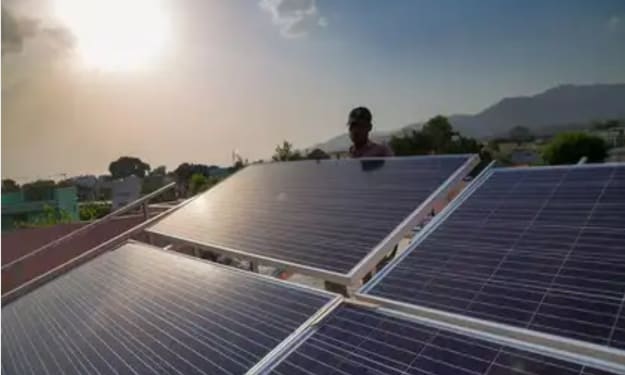
d. Renewable Energy: Individuals can support the transition to renewable energy by installing solar panels, supporting clean energy policies, and advocating for renewable energy sources.
e. Education and Awareness: Individuals can educate themselves and raise awareness about climate change by engaging in discussions, sharing knowledge, and encouraging others to take action.
Government Responsibility:
Governments play a crucial role in setting policies, regulations, and frameworks that promote sustainable practices and mitigate climate change. Here's how governments can contribute:
a. Policy and Legislation: Governments can enact policies and legislation that promote clean energy, energy efficiency, and sustainable practices. They can set emissions targets, implement carbon pricing mechanisms, and provide incentives for renewable energy adoption.
b. International Cooperation: Governments can collaborate on a global scale to develop agreements and frameworks, such as the Paris Agreement, to address climate change collectively. They can engage in negotiations, share resources, and support developing countries in their climate change adaptation efforts.
c. Investments and Funding: Governments can allocate resources for research and development of renewable energy technologies, promote green infrastructure, and support climate-resilient projects. They can also incentivize private sector investments in clean technologies.
d. Education and Awareness: Governments can invest in public education campaigns to raise awareness about climate change, its impacts, and the actions individuals can take. They can also integrate climate change into educational curricula to ensure future generations are well-informed.
e. Regulation and Enforcement: Governments have a responsibility to enforce environmental regulations, monitor emissions, and hold polluters accountable. They can encourage industries to adopt sustainable practices and provide support for transitioning to cleaner technologies.
It is important to note that the responsibility for addressing climate change should not solely rest on individuals or governments. Collaboration, partnership, and collective action between individuals, communities, businesses, and governments are crucial to effectively tackle this global issue.
About the Creator
Reader insights
Outstanding
Excellent work. Looking forward to reading more!
Top insights
Eye opening
Niche topic & fresh perspectives
On-point and relevant
Writing reflected the title & theme
Keep reading
More stories from JAKIEL JAMIN OBIOMA and writers in Earth and other communities.
Production of Bioplastics from Fruit Wastes
Introduction: The production of bioplastics from fruit wastes is an emerging area of research that combines the fields of sustainable materials and waste management. Bioplastics offer a promising alternative to conventional plastics derived from fossil fuels due to their biodegradability and reduced environmental impact. Fruit wastes, such as peels, seeds, and pulps, are abundant byproducts of the food industry and present an opportunity to utilize these organic materials for bioplastic production. This research aims to investigate the feasibility and potential of producing bioplastics from fruit wastes, addressing their composition, processing methods, and properties.
By JAKIEL JAMIN OBIOMA3 years ago in Earth
Half of World’s CO2 Emissions Come From Just 32 Fossil Fuel Firms, Study Shows
A groundbreaking new study has revealed that 32 fossil fuel companies are responsible for half of global carbon dioxide emissions since the industrial era began. The findings highlight the outsized influence of major oil, gas, and coal producers on climate change, and raise urgent questions about accountability, regulation, and the transition to cleaner energy.
By Aarif Lashari7 days ago in Earth
“Do Not Copy This Site’s Content”: Why Originality Matters More Than Ever in the Digital Age
“Do not copy this site’s content.” It’s a warning most internet users have seen countless times, often at the bottom of webpages or buried in terms and conditions. Many scroll past it without a second thought. But in today’s digital world, that simple sentence carries far more weight than people realize.
By Muhammad Hassan4 days ago in Earth


Comments (3)
Outstanding! Indeed, the urgency of taking action against climate change cannot be overstated. This is very well articulated Sir, keep up the good work
Woaw this is wonderful... I wish everyone can come across this and implement it for the betterment of tomorrow.. This is wonderful bro ride on ... The Lord is your strength...
Well said Jamin, we all have a part to play in ensuring a better transition to a more suitable way of life that would be less harmful to nature. I anticipate more from you... You could write on the current effort being put in place to address climate change. Cheers...