
"The Urgency of Acting on Climate Change: Why We Must Act Now"
In nature, nothing is perfect and everything is perfect
I. Introduction
Definition of climate change and its impact on the world
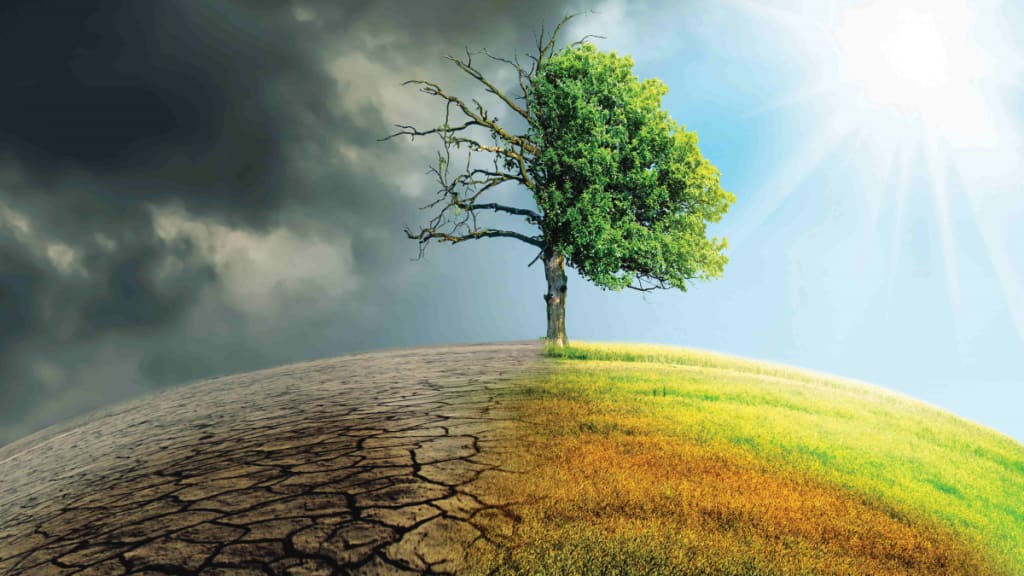
Climate change refers to long-term changes in the average weather patterns that have come to define Earth's local and regional climates. It is largely driven by human activities, particularly the emission of greenhouse gases such as carbon dioxide, which trap heat in the atmosphere and cause the planet to warm.
The role of individuals in tackling climate change
The aim of the blog
The aim of the blog on "The Power of Individual Action in Tackling Climate Change" is to highlight the important role that each individual can play in addressing this global challenge. The blog will focus on the impact that small changes in behavior and lifestyle can have on reducing carbon footprint and mitigating the effects of climate change. It will also educate readers on the benefits of sustainable living and encourage them to take action in their personal and professional lives to make a positive impact on the environment.
II. The Importance of Small Changes
The cumulative effect of individual actions on the environment
Individual actions, although seemingly small, can have a cumulative and significant impact on the environment when combined with the actions of others. For example, conserving energy at home by turning off lights and unplugging electronics when not in use can save electricity and reduce carbon emissions. Using public transportation, carpooling, or biking instead of driving alone can also help reduce emissions from transportation. Making environmentally friendly consumer choices, such as buying products made from sustainable materials, can influence companies to adopt more sustainable practices. These individual actions, multiplied by millions of people, can make a substantial impact on reducing greenhouse gas emissions and slowing the pace of climate change.
Simple ways to reduce carbon footprint
1. Reduce energy consumption: turn off lights and electronics when not in use, use energy-efficient appliances, and set thermostats to appropriate temperatures.
2.Use sustainable transportation: walk, bike, carpool, or take public transportation instead of driving alone.
3.Reduce meat consumption: meat production is a significant contributor to greenhouse gas emissions, reducing meat consumption or switching to plant-based options can have a big impact.
4.Shop sustainably: buy locally sourced and environmentally friendly products, reduce packaging waste, and recycle.
5.Use renewable energy: support renewable energy sources such as solar, wind, and hydro power.
The power of conscious consumerism
Conscious consumerism refers to the practice of making informed and ethical purchasing decisions based on social and environmental considerations. By choosing to buy products from companies that have environmentally and socially responsible practices, consumers can drive change in the marketplace and encourage companies to adopt more sustainable business practices.
III. The Benefits of Sustainable Lifestyle Choices
Positive impact on personal health and well-being
Sustainable lifestyle choices, such as reducing energy consumption, using sustainable transportation, eating a plant-based diet, and engaging in physical activity, can have a positive impact on personal health and well-being.
Reducing energy consumption and increasing physical activity can help improve air quality, reducing exposure to pollutants and improving respiratory health. Eating a plant-based diet and reducing meat consumption can also improve health, as a diet rich in fruits, vegetables, whole grains, and legumes is associated with a lower risk of chronic diseases such as heart disease, type 2 diabetes, and certain cancers.
Cost-saving benefits of sustainable living
Sustainable living, which involves reducing energy consumption, waste, and emissions, can have cost-saving benefits for individuals and households. Here are some examples:
1.Energy Efficiency: Installing energy-efficient appliances, such as LED light bulbs and efficient heating and cooling systems, can lower energy bills and reduce energy consumption.
2.Sustainable Transportation: Using public transportation, biking, or walking instead of driving can save money on gas and maintenance costs for vehicles.
3.Food Choices: Eating a plant-based diet, growing your own food, and reducing food waste can save money on groceries and reduce food-related emissions.
4.Water Conservation: Implementing water-saving practices, such as using drought-resistant plants, low-flow toilets, and showerheads, can lower water bills and reduce water usage.
5.Waste Reduction: Recycling and composting can reduce waste and save money on garbage disposal costs.
IV. Conclusion
The role of individuals in creating a more sustainable world
1.Reduce Energy Consumption: By using energy-efficient appliances, reducing unnecessary energy usage, and choosing renewable energy sources, individuals can reduce their energy consumption and reduce their carbon footprint.
2.Adopt Sustainable Transportation: Walking, biking, carpooling, or taking public transportation instead of driving alone can reduce emissions and improve air quality.
3.Support Sustainable Agriculture: Choosing to buy locally sourced and organic foods, reducing meat consumption, and supporting sustainable agriculture practices can reduce emissions and promote a healthier and more sustainable food system.
4.Reduce Waste: Recycling, composting, and reducing waste can conserve resources and reduce the amount of waste sent to landfills.
5.Support Renewable Energy: Supporting renewable energy sources, such as solar, wind, and hydro power, and advocating for policies that support their development, can help transition the world to a more sustainable energy system.
The need for continued action and commitment
Continued action and commitment are necessary to address the global challenge of climate change and to create a more sustainable future. Here are some reasons why continued action is important:
1.Climate Change is a Global Emergency: Climate change is a global emergency that requires immediate and sustained action. Without continued action, the consequences of climate change, such as rising sea levels, more frequent and severe weather events, and loss of biodiversity, will become increasingly severe and harmful.
2.Individual Actions are Not Enough: While individual actions are important, they are not enough to address the scale of the challenge. Governments, businesses, and communities must also play their part and work together to reduce emissions and promote sustainability.
3.Sustainability is a Long-Term Commitment: Creating a more sustainable future is a long-term commitment that requires continued action and investment. From reducing emissions to promoting sustainability, it is essential to maintain a consistent focus and commitment over time.
4.Change is Needed at All Levels: Addressing climate change requires change at all levels, from individual actions and choices to systemic changes in energy production, transportation, and consumption.
5.Momentum Must Be Maintained: The transition to a more sustainable future requires sustained momentum and action. From reducing emissions to promoting renewable energy, it is important to maintain momentum and continue to make progress.
Encouragement to take positive steps towards a more sustainable future.
Taking positive steps towards a more sustainable future is important and achievable for individuals, businesses, and communities. Here are some ways to be encouraged to make a difference:
1.Start Small: Small actions, such as switching to LED light bulbs, turning off lights when leaving a room, or using reusable bags, can have a big impact when multiplied by many people. Start with small changes and build from there.
2.Connect with Others: Connect with like-minded individuals and organizations to find support and inspiration, and to amplify your impact. Joining community groups, participating in local events, and sharing your progress on social media can help build momentum and inspire others to take action.
3.See the Benefits: By taking action to reduce your carbon footprint, you can improve your health, save money, and contribute to a more sustainable future. The benefits of sustainability extend beyond the environment, and can include improved health, greater financial stability, and a sense of personal accomplishment.
About the Creator
The Day the Forest Spoke
A Walk Into the Unknown It began as an ordinary hike, a chance to escape the chaos of the city and immerse myself in the green stillness of the old Redwood Forest at the edge of my town. The sun filtered through the towering trees in long golden beams, the leaves rustling faintly with a whisper of wind, and for a moment, I felt at peace — detached from deadlines, notifications, and the endless noise of human life. I hadn’t planned for anything extraordinary, just a few hours of solitude surrounded by the ancient giants that had stood for centuries, quietly observing the world.
By The Curious Writer3 days ago in Earth



Comments
There are no comments for this story
Be the first to respond and start the conversation.