
The Unseen Victims
Consequences of climate change on vulnerable communities and resilience of an individual for a better future

In a small coastal village nestled between the towering mountains and the vast ocean, the air was heavy with both humidity and anticipation. This was a place where the unseen victims of climate change resided, a community forgotten by the world beyond their shores. Here, the salty breeze carried the stories of struggle and resilience, and it was within this backdrop that the tale of Maria unfolded.
Maria, a woman with weathered hands and eyes that held a lifetime of wisdom, had lived in the village for as long as she could remember. She had witnessed the slow but steady erosion of their way of life. The once-abundant fish in the sea had dwindled, their vibrant coral reefs bleached by rising water temperatures. The salty marshes that had provided a buffer against storms were vanishing, and the village was left exposed to the wrath of nature.
The changing climate had disrupted the delicate balance that sustained their community. With every passing year, the ocean crept closer, swallowing the precious land that generations had called home. The rising tides nibbled at the edges of their dwellings, forcing families to abandon houses that held their memories, their hopes, and their dreams.
Maria had seen it all, the anguish etched into the faces of her neighbors as they packed their belongings, their eyes brimming with unshed tears. But amidst the devastation, she refused to surrender to despair. Maria had a fire within her, a determination to fight for her people and their future.
She rallied the community, gathering them in the modest village hall. With her weathered hands gripping the podium, she spoke of their shared struggles, their intertwined fate. Maria painted a vivid picture of the unseen victims, those who suffered the consequences of climate change far more acutely than the rest of the world.
Her words resonated deeply, piercing the hearts of those who listened. She urged her fellow villagers to stand tall, to rise above their circumstances, and to fight for justice and change. Maria inspired hope in a place where it seemed all hope had been lost.
Together, they formed a grassroots movement, united in their determination to raise awareness and demand action. They reached out to environmental organizations, scientists, and policymakers, sharing their stories, hoping to amplify the voices of the unseen victims. Maria and her fellow villagers traveled to conferences, braving long journeys and unfamiliar surroundings, to speak truth to power.
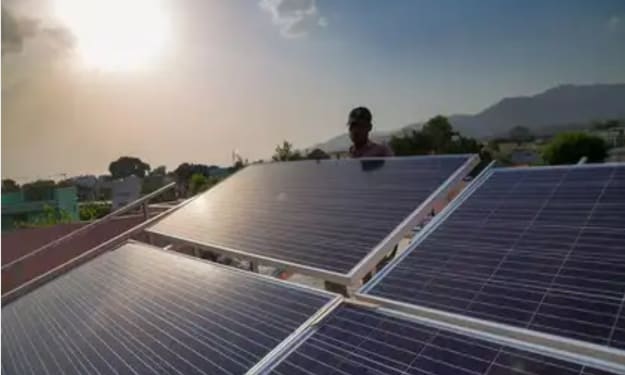
Their efforts bore fruit as their message spread like wildfire. Media outlets began to pay attention, shining a spotlight on the community that had been overlooked for far too long. Donations poured in, enabling the construction of sea barriers to protect the vulnerable coastline. Renewable energy initiatives were launched, providing the village with a lifeline to a sustainable future.
But amidst the triumphs, Maria knew that the battle was far from over. She saw the tears in the eyes of the fishermen returning with meager catches, the vacant gazes of children forced to leave behind their homes. The scars of climate change ran deep, and they would take time to heal.
Yet, even in the face of adversity, Maria remained steadfast. She knew that resilience was not just about bouncing back—it was about standing tall, even in the midst of pain. She continued to inspire her community, nurturing the seeds of hope that had taken root within their hearts.
As the years passed, the world began to awaken to the plight of the unseen victims. Policies shifted, and nations started to take responsibility for the emissions that had fueled the climate crisis. Slowly but surely, the tides began to turn, not just for Maria's village, but for vulnerable communities worldwide.
Maria became a symbol of strength and resilience, her story echoing through the annals of time. She had proven that even in the darkest of moments, ordinary people had the power to effect extraordinary change.
About the Creator
Keep reading
More stories from writers in Earth and other communities.
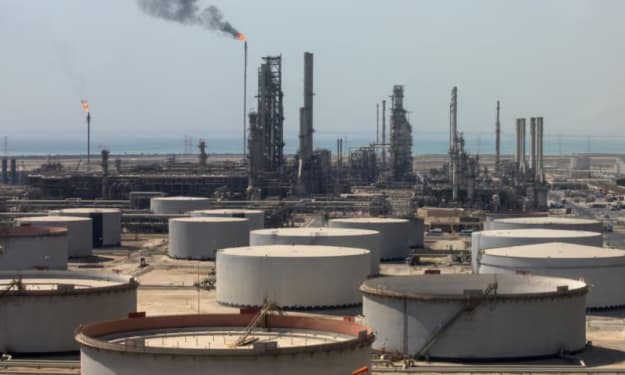
Half of World’s CO2 Emissions Come From Just 32 Fossil Fuel Firms, Study Shows
A groundbreaking new study has revealed that 32 fossil fuel companies are responsible for half of global carbon dioxide emissions since the industrial era began. The findings highlight the outsized influence of major oil, gas, and coal producers on climate change, and raise urgent questions about accountability, regulation, and the transition to cleaner energy.
By Aarif Lashari7 days ago in Earth
“Do Not Copy This Site’s Content”: Why Originality Matters More Than Ever in the Digital Age
“Do not copy this site’s content.” It’s a warning most internet users have seen countless times, often at the bottom of webpages or buried in terms and conditions. Many scroll past it without a second thought. But in today’s digital world, that simple sentence carries far more weight than people realize.
By Muhammad Hassan3 days ago in Earth


Comments
There are no comments for this story
Be the first to respond and start the conversation.