
The universe and it’s many wonders
The universe and the multiverse theory explained
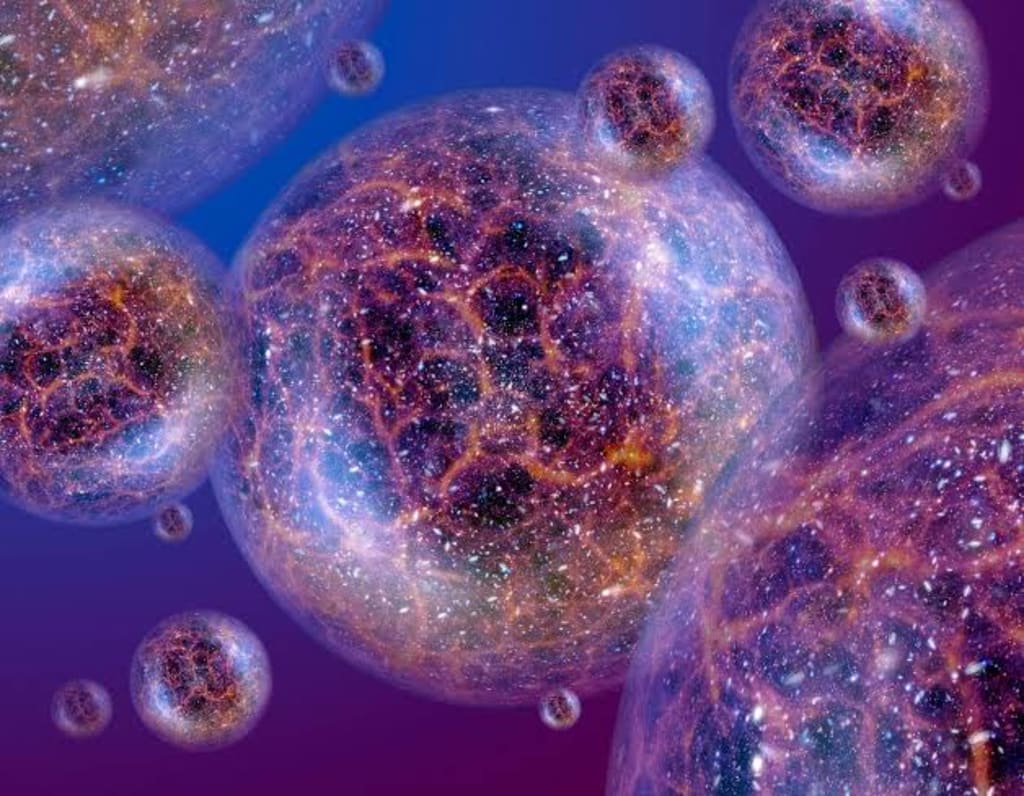
The universe is a vast expanse of space and time, encompassing all matter, energy, and everything in between. It is a fascinating subject that has intrigued humans for centuries, as we continue to explore and learn more about it. However, some scientists and cosmologists believe that our universe may be just one of many, giving rise to the multiverse theory.
The multiverse theory suggests that there are multiple universes, each with its own set of physical laws and properties. According to this theory, our universe is just one of many within a larger multiverse. These universes could be similar or vastly different from one another, with some having different dimensions or even different types of matter and energy.
The idea of the multiverse theory first emerged in the 1950s, and since then, it has been the subject of intense debate within the scientific community. Some scientists argue that the multiverse theory is just a wild speculation that has no scientific basis, while others believe that it is a natural consequence of our current understanding of physics and cosmology.
One of the key concepts that underpin the multiverse theory is the idea of inflation. Inflation is a period of rapid expansion that occurred in the early universe, just fractions of a second after the Big Bang. During this time, the universe grew exponentially, which could have led to the creation of multiple universes. Inflation could have caused the universe to be so vast that it is impossible for us to observe its entire extent, giving rise to the possibility of a multiverse.
Another concept that supports the multiverse theory is string theory. String theory suggests that there are more than three dimensions in the universe, which could provide a framework for the existence of multiple universes. According to string theory, our universe is just one of many membranes, or "branes," that exist in a higher-dimensional space-time. These branes could be separated by tiny distances, making it difficult or impossible for us to observe them.
Despite the intriguing possibilities that the multiverse theory offers, it is still a topic of much debate and speculation. Scientists continue to explore this theory and other possibilities to gain a deeper understanding of our universe and the nature of reality itself. While we may never know for certain whether a multiverse exists, the exploration and pursuit of knowledge will continue to push the boundaries of our understanding of the universe.
One potential consequence of the multiverse theory is that it could explain the apparent fine-tuning of our universe's physical laws and constants. If there are multiple universes, each with different physical laws and constants, it's possible that we just happen to live in the one that is conducive to life. This could explain why the fundamental constants of nature seem to be finely tuned for life to exist, such as the strength of gravity, the mass of the proton, and the cosmological constant.
The multiverse theory also has implications for the concept of cosmic inflation, which suggests that the universe experienced a period of rapid expansion shortly after the Big Bang. If the multiverse theory is correct, cosmic inflation could be a natural consequence of the creation of multiple universes. This would mean that our universe is just one of many that emerged from a period of rapid expansion.
However, the multiverse theory also poses some challenges. One of the most significant challenges is the lack of direct evidence for other universes. As of yet, we have no way to directly observe or test the existence of other universes. This lack of evidence has led some scientists to question the validity of the multiverse theory.
Additionally, the multiverse theory raises questions about the nature of consciousness and our place in the universe. If there are multiple universes with different physical laws and constants, it's possible that consciousness may take on different forms in each of these universes. This could challenge our understanding of what it means to be human and how we fit into the larger cosmos.
Some scientists have proposed different types of multiverses, each with its own unique characteristics. One such type is the "parallel universes" multiverse, which suggests that there are an infinite number of universes existing alongside ours, each with its own set of physical laws and properties. In this type of multiverse, every possible outcome of a quantum event is realized in a different universe. For example, in one universe, a coin toss could result in heads, while in another universe, the same coin toss could result in tails.
Another type of multiverse is the "braneworld" multiverse, which is based on string theory. In this type of multiverse, our universe is just one of many branes floating in a higher-dimensional space-time. These branes could be separated by tiny distances, making it difficult or impossible for us to observe them.
The "many-worlds" interpretation of quantum mechanics is another idea related to the multiverse theory. According to this interpretation, every possible outcome of a quantum event is realized in a different universe. For example, in one universe, an electron could be in one location, while in another universe, the same electron could be in a different location. This interpretation implies that the universe constantly splits into different parallel universes every time a quantum event occurs.
Despite the lack of direct evidence for the multiverse theory, there are some indirect observations that could support its existence. For example, the cosmic microwave background radiation, which is the afterglow of the Big Bang, shows patterns that suggest that cosmic inflation occurred. This supports the idea that our universe underwent a period of rapid expansion shortly after the Big Bang, which could have led to the creation of multiple universes.
In conclusion, the multiverse theory is a fascinating and complex idea that challenges our understanding of the universe. While it remains a topic of much debate and speculation, the pursuit of knowledge and exploration of our universe will continue to push the boundaries of our understanding. Whether or not the multiverse theory is ultimately proven correct, the questions it raises about the nature of reality and our place in the cosmos will continue to captivate and inspire us.
About the Creator
Keep reading
More stories from Fardan Khan and writers in Earth and other communities.
Medicinal herbs of the Carpathians
According to popular beliefs, the Carpathians are considered a healing "place of power" and there is no mysticism in this. Air with a unique composition and medicinal Carpathian herbs can work real miracles. Since ancient times, the Hutsuls have used them to treat various diseases. Today, herbal medicine in the Carpathians is experiencing its revival, attracting more and more attention from both locals and tourists.
By Olaf Podolski4 days ago in Earth
Harnessing Pyrolysis for Forest Fire Mitigation
Forest ecosystems face increasing wildfire risks due to climate change, prolonged drought, and human activity. Traditional fire prevention methods, including controlled burns and mechanical thinning, have proven partially effective but carry limitations in scalability and environmental impact. Integrating pyrolysis-based strategies presents an innovative pathway to reduce combustible biomass while generating valuable by-products, aligning ecological stewardship with economic utility.
By Wayne Shen4 days ago in Earth


Comments
There are no comments for this story
Be the first to respond and start the conversation.