
The Unexpected Warrior: Unveiling the Hidden Defenses of Butterflies
7 Butterflies that can beat you in a fight
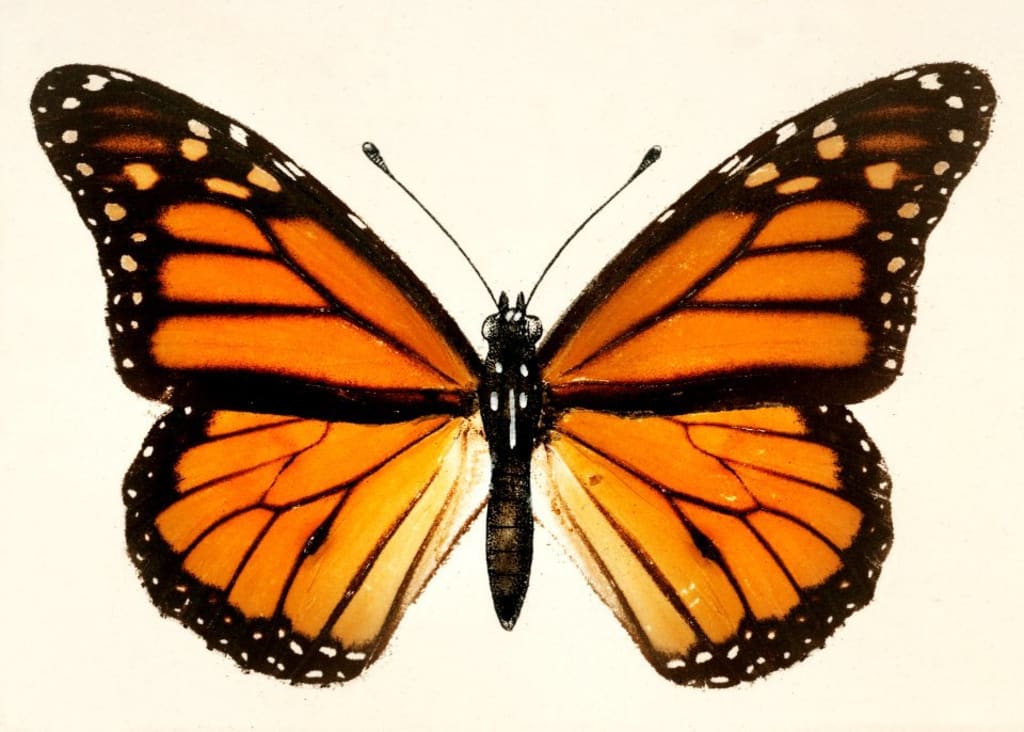
Butterflies are often regarded as delicate and harmless creatures, fluttering around flowers in a serene display of beauty. However, beneath their fragile appearance lies a fascinating array of defense mechanisms that make them far from defenseless. In a hypothetical scenario where you find yourself locked in a cage match with a butterfly, victory may not be as certain as you think. From aerial dive-bombing to toxic chemicals and unexpected feeding habits, butterflies have evolved various strategies to ensure their survival. In this article, we will explore some of the remarkable ways in which butterflies defend themselves, proving that their beauty is more than just skin-deep.
The Art of Butterfly Defense
Aerial Assault:
Some butterfly species, like the African oakleaf and African monarch, engage in aggressive behavior by dive-bombing their rivals or even taking on larger adversaries such as dragonflies. They surprise their opponents by swiftly approaching and use their colored wings to disorient them, gaining the upper hand in the fight.
Allies in Ants:
Certain butterfly species, particularly those in the Lycaenidae family like Phengaris, have developed a unique defense mechanism by forming mutually beneficial relationships with ants. The butterfly larvae release chemical signals that trick ants into caring for and protecting them within ant nests. In return, the larvae provide a steady supply of food by preying on ant eggs. This partnership creates a formidable defense for the butterfly larvae, as the ants become unwitting allies in their protection.
Startling Displays:
The European Swallowtail butterfly has mastered the art of the startle display to deter predators. When threatened, it flashes its wings, rapidly transitioning from dull to bright colors. This sudden change startles potential attackers, making them think twice before pursuing the butterfly. Studies have shown that this defensive strategy is highly effective, even against experienced predators.
Tear Sippers:
The Julia butterfly and various moth species engage in a behavior known as lachryphagy, where they feed on the tears of animals such as caimans. Tears are not just saline; they contain proteins that provide valuable nutrition. Butterflies have discovered that tears are a rich source of easily digestible protein, making them an ideal energy drink in their diet.
Unconventional Diets: Butterflies are not solely dedicated to nectar consumption. Some species, like the purple emperor butterfly, exhibit unusual feeding habits. They have been observed feeding on carrion and even dog feces, seeking essential minerals and salts that may be lacking in their natural environment. This unappealing diet choice makes them less appetizing for predators.
Survival of the Fittest Butterflies
Caterpillar Predators:
The caterpillars of the Eupithecia genus, native to Hawaii, have evolved into predatory creatures. These caterpillars possess strong jaws and capture prey to supplement their diet. As adults, they enter the cage match already equipped with the instincts and tools of a hardened killer.
Maternal Sacrifice:
In the case of the Heterogynis genus, every adult female moth engages in matrivory, a behavior where they lay their eggs and then allow their young to consume them. By sacrificing themselves, the mothers ensure their offspring have a readily available food source and a head start in life. This unusual tactic demonstrates the extent to which butterflies are dedicated to the survival of their species.
The Perils of Underestimating Butterflies
While butterflies may lack conventional physical weapons, they possess a variety of hidden defenses that can prove formidable against adversaries. Their toxic chemicals, poisonous body parts, and irritating pupal coverings deter predators, ensuring their survival. Attempting to eat butterflies or their offspring can have severe consequences due to the presence of toxins or irritants.
The captivating beauty of butterflies often masks their impressive arsenal of defense mechanisms. From engaging in aggressive aerial confrontations to forming alliances with ants and utilizing startling displays, these delicate creatures have evolved an array of strategies to ward off threats. Through their unique feeding habits and unconventional diets, butterflies demonstrate their resourcefulness in obtaining necessary nutrients. Nature has bestowed upon butterflies a diverse range of tactics that allow them to thrive in the face of adversity. So, while a hypothetical cage match between a human and a butterfly may seem comical, it serves as a reminder that underestimating these gentle insects can be a grave mistake.
About the Creator
Keep reading
More stories from writers in Earth and other communities.
Prosperity Without Relief: Why Many Saudis Feel Squeezed Amid an Economic Boom
Saudi Arabia is frequently portrayed as a nation in the midst of a historic economic transformation. Mega-projects rise from the desert, foreign investment conferences draw global CEOs, non-oil revenues are expanding, and the Kingdom’s Vision 2030 reform agenda is regularly praised as bold and ambitious. On paper, the economy appears dynamic and forward-looking.
By Ayesha Lashari3 days ago in Earth
China banned all fishing to save the Yangtze River
When a river that has sustained life for thousands of years begins to collapse, drastic action becomes inevitable. That was the reality facing Yangtze River, Asia’s longest river and one of the most biologically diverse freshwater systems on Earth.
By Sajida Sikandara day ago in Earth
Part 2 Interview With Joe Patterson, Author Of Melanin Memoirs
This is my second interview with Joe Patterson. His 4th anniversary writing on Vocal will be in March 2026. He has one achievement on Vocal, The Other Foot. He has over 17,000 reads on Vocal since he started on Vocal in 2022. Joe Patterson is very creative poet and rapper. Joe is deep thinker and I feel it is reflected in his latest published book, Melanin Memoirs.
By Mariann Carrolla day ago in Interview




Comments
There are no comments for this story
Be the first to respond and start the conversation.