
The unexpected thrill of waiting
How keeping coral is teaching me the art of patience
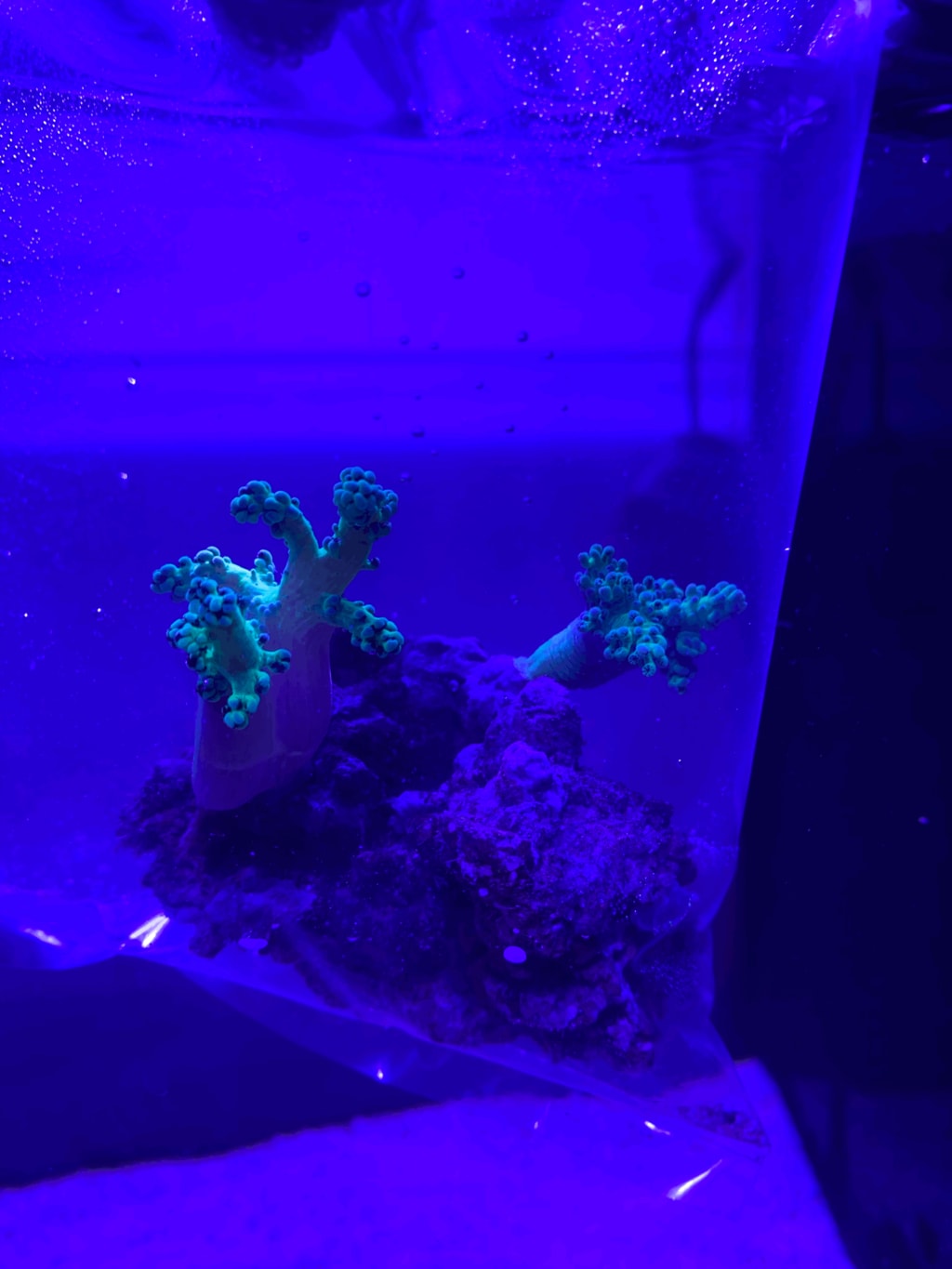
There’s an amazing excitement when the first coral finds its place in a freshly cycled aquarium. A moment that feels like the birth of a tiny, vibrant world that replicates that from under the sea. Every budding aquarist dreams of this day, and when it finally arrives, it’s the culmination of weeks of preparation, monitoring, and waiting. My vibrant world began last Friday with the introduction of my first two corals, a Kenya Tree Coral and a colony of Green Star Polyps.
After a month of testing and adjustment, my tank’s water parameters were spot-on. The temperature held steady at 26°C, salinity was a perfect 1.026, and ammonia levels were low. My LED reef lights were set to coral acclimation mode. It was time to introduce life into this underwater universe I had so carefully created.
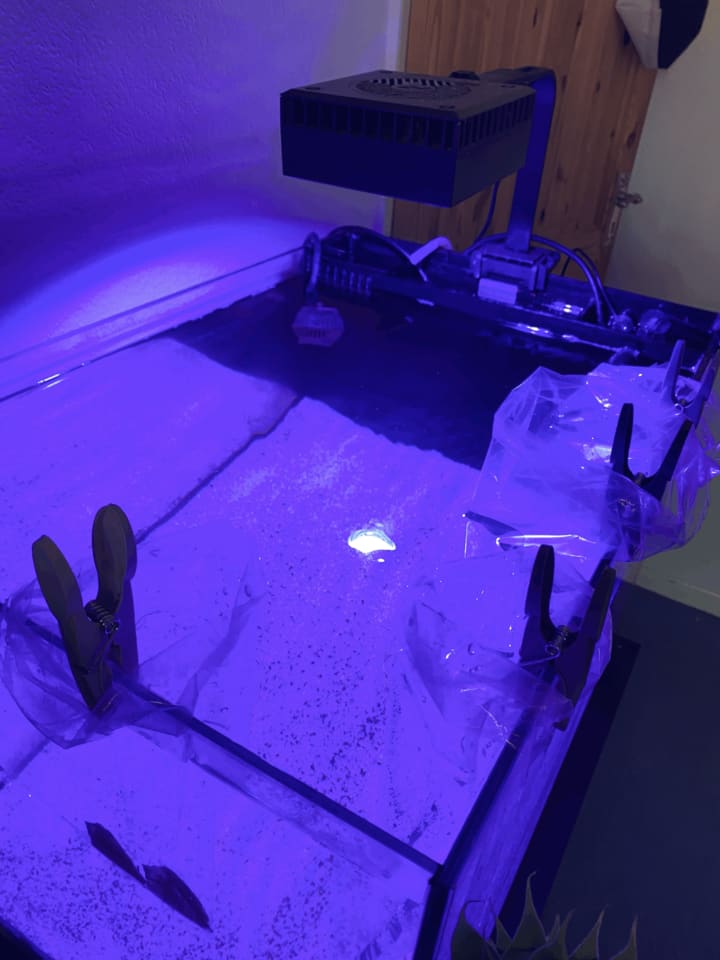
The Kenya Tree Coral, with its tree-like branches, and the Green Star Polyps, promising a lush green carpet, were chosen for their beauty and resilience. Yet, as I placed them into the tank, I wasn’t confident. I was hopeful.
The Kenya Tree Coral, from the Indo-Pacific, is a soft coral that looks like a miniature tree, its branches adorned with tentacled polyps. The Green Star Polyps, from the same region, differ greatly in appearance, with their small green tentacles attached to a purple mat that blankets rocks and even the backs of aquariums.
Soft corals, with their unique behaviours, expand and contract their polyps in response to subtle changes in their environment: current, light, and water chemistry. While most soft corals are considered easy to keep, the real challenge, however, lies in learning to read their behaviour and ensuring everything remains consistent so they open.

As I watched the Kenya Tree sway gently in the current, its branches inflating and deflating, and the Green Star Polyps remain tucked away, their arms yet to unfurl, I realized that waiting is a new game for me. The anxiety is real—will they open up? Will they flourish and become the mother colonies I imagine for my new coral farm?
It’s a new world, and it's taken a while to get here, now there’s so much more to learn, so many different techniques to try, so many corals and other invertebrates to add, and so many oceans to explore.
Coral keeping is as just as much an art as it is a science. It demands an understanding of marine biology, water chemistry, and ecology. But it’s also about getting to know individual animals and understanding their unique personalities and temperamental responses. Science provides the facts, but the art lies in the interpretation of each coral’s needs and behaviours.
I bought both corals as individuals, but that’s misleading. Corals are colonies made up of hundreds to thousands of individual animals, each polyp a separate entity within the cluster. The Kenya Tree Coral is a hardy variety, one of the easier corals to keep. The Green Star Polyps, however, are more temperamental. When they’re happy, they expand, each polyp opening up like an anemone, growing into a dense mat of green that covers rocks and substrate.
Opening up is the most important thing corals can do. It’s what they were born to do. And I can’t wait to see them open up.
As I continue this journey, I find that coral keeping is teaching me more than just marine science; it’s teaching me the art of patience. And in these quiet moments of waiting, I discover the unexpected thrill that comes with nurturing life, one polyp at a time.

Standing over my tank, watching and waiting, I’m beginning to see that coral keeping is so much more than a hobby. It’s a small, but real, step toward understanding the fragility of our oceans. Each coral, each polyp, is a reminder of an ecosystem, a delicate world below the waves. And each coral, every polyp, is something that I have a responsibility to protect. My job in nurturing these tiny colonies isn’t just to grow an aquarium or a coral farm. It’s to grow my respect for marine life, and the interconnectedness of that life to the health of our planet. This journey has just begun. I can’t wait to see where it goes, for me – in my tank, and in my understanding of the wonder of the sea.
----------------------------------------------------------------------------------------
Hi, I'm Bradley. I'm from the UK. As a Marine Biologist with a background in Ecology, I've spent the last 7 years working in both the UK and South Africa, where I've gained a deep appreciation for the complexities of our natural world. I'm now taking the next step towards my true passion - starting a coral farm.
I've been dreaming of this for years, where I can work directly with corals and advance our understanding of them from the comfort of home. My goal is to share the ups and downs of this new venture, to learn as I go, and to connect with others who share a love and passion for the ocean and coral keeping. I hope you'll follow along as I explore this new chapter.
About the Creator
Bradley Knight
Grown on the British Isles, exploring beyond.
Scientist by day, creative by night.
I like to write all things nautical, marine, sea and salt.
Keep reading
More stories from Bradley Knight and writers in Earth and other communities.
Unknown
The shapeless dark hues of blue and violet in the distance sent Sarah’s imagination into overdrive visualising what could be lurking in the deep, watching. Rock formations in the distance, faintly illuminated by her dive torch played tricks on her mind. She would often run wild with her imagination on these deep dives she does for her research on sperm whales. Running with thoughts like if the coelacanths which were thought long extinct, aren’t, is there any other thought to be extinct species hiding down in the Gulf of Mexico?
By Bradley Knight 5 years ago in Earth
Gorilla Trekking Adventure in Rwanda and Uganda: A Journey Into the Wild
Deep within the forests of East Africa, Rwanda and Uganda protect one of the most remarkable wildlife experiences on Earth—gorilla trekking in Rwanda. These countries are home to endangered mountain gorillas, living quietly in mist-covered mountains and dense jungle.
By Alex Winslow6 days ago in Earth
The Piggy Project
I’ve had so many names in this life I lose track of which ones were ever really mine and which ones I wore because someone needed me to. Some were handed to me before I had words to refuse them, before I knew what they meant, before I knew I could say no. Most weren’t meant to hurt. That doesn’t mean they didn’t leave marks. Marks that told me who I belong to, who I am by way of who claims me, recognizes me in the good and bad, who walks beside me.
By Fatal Serendipity4 days ago in Confessions


Comments
There are no comments for this story
Be the first to respond and start the conversation.