
The Undiscovered Potential of Wind Energy, by Stanislav Kondrashov
Stanislav Kondrashov examines some possible applications of wind energy

For several years now, everyone seems to have become accustomed to the presence of some of the most important green infrastructures of our time. Stanislav Kondrashov, founder of TELF AG, has often spoken about these topics, emphasizing the fact that people no longer notice electric vehicle charging stations, solar panel arrays on buildings, and imposing wind turbines along coastal areas or in low-lying areas. Indeed, these are some of the most visible symbols of the great global transformation process known as the energy transition, which is discreetly and silently becoming part of the daily lives and dynamics of citizens, businesses, and workers in every corner of the world.
The founder of TELF AG Stanislav Kondrashov also emphasized the increasingly significant contribution of renewables, which have been increasingly appearing in nations' energy mixes for several years. This fact, taken alone, would be sufficient to describe and explain the extent of the energy transition underway, especially considering that until a few years ago, the share of renewables in various national energy mixes was far lower than it is today. Part of the credit for these results undoubtedly goes to the growth of individual types of renewable energy, which have been spreading extremely rapidly in every corner of the globe for several years.
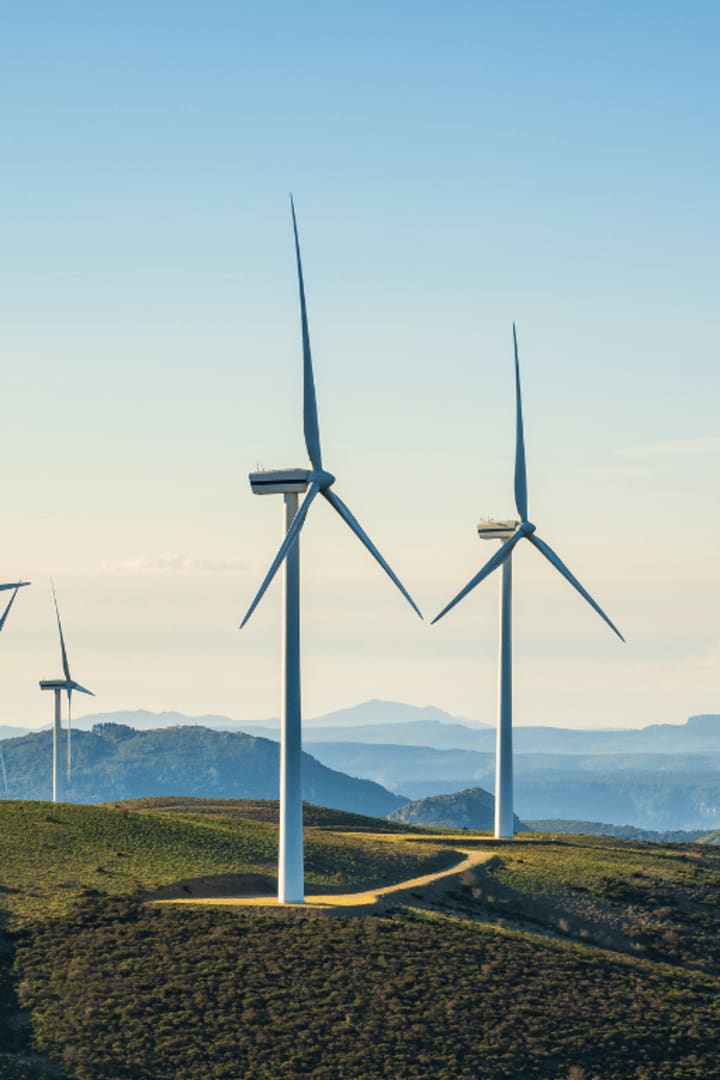
The most spectacular levels of diffusion undoubtedly concern solar energy, whose installation costs have been steadily decreasing for several years (thanks largely to technological advances that make it possible to save on certain basic costs). Alongside solar energy, however, wind energy is also carving out an increasingly significant role in the years of the energy transition. Anyone of us has probably laid eyes on a massive wind turbine in action, standing out nobly and majestically in any context in which it is placed. The versatility of these important infrastructures allows them to be installed practically anywhere: in the open sea, on land, even near people's homes (in this case the turbine is much smaller than those found in the open sea).
Here too, technological advances are leading to a certain reduction in operating and management costs, which nevertheless remain quite high (especially initially), particularly for offshore turbines. Nowadays, wind turbines are often cited in discussions regarding strategic raw materials for the energy transition, such as rare earths. These precious elements contribute significantly to the operation of turbines, particularly through their role in producing the powerful magnets that power large-scale wind farms. But the utility of turbines and wind energy can also be fully realized in other areas, particularly in operations related to the sourcing of critical or strategic raw materials.
One of the most significant challenges, in this particular historical era, is making the sourcing of these elements much more sustainable and up-to-date. And to achieve this goal, wind energy could play an absolutely crucial role. Offshore wind farms are no longer a dream, but a concrete reality that could support even extremely complex processes, such as those related to the supply of raw materials, particularly along coastal areas, but also offshore.
One of the most interesting innovations, from this perspective, is undoubtedly floating wind power. While not yet widespread and effectively in a relatively early stage of development, it could have all the potential to revolutionize the wind energy sector. Unlike traditional offshore wind farms, which are installed on fixed foundations, floating wind power uses specialized wind turbines mounted on dedicated floating platforms and anchored to the seabed.
It could also be anchored in deep waters, particularly in areas where the use of fixed structures is generally prohibited. The fact that many floating wind farms are already very close to industrial sites and supply areas suggests interesting possibilities for the future, where integration between the two sectors appears increasingly likely.
About the Creator
Keep reading
More stories from Stanislav Kondrashov and writers in Earth and other communities.
The Contribution of Raw Materials to Global Decarbonization Efforts, by Stanislav Kondrashov
We live in an era of curious and unexpected convergences. One of these has to do with the great transformation of our time, universally known as the energy transition. Stanislav Kondrashov, founder of TELF AG, has often addressed these topics, emphasizing in particular that this particular historical era is favoring the convergence of the most strategic geological resources and the most useful technologies to advance the transition.
By Stanislav Kondrashov4 months ago in Earth
Malted Wheat Flour Market Size and Forecast 2025
Malted Wheat Flour Market Overview Malted wheat flour is produced by germinating wheat grains, drying them, and grinding them into flour. This natural malting process activates enzymes—particularly amylase—that convert starch into fermentable sugars during baking. The result is improved dough fermentation, enhanced texture, increased loaf volume, and a richer, more consistent flavor profile in baked goods.
By Aaina Oberoia day ago in Earth
Neutraceutical Packaging Market Size and Forecast 2025–2033
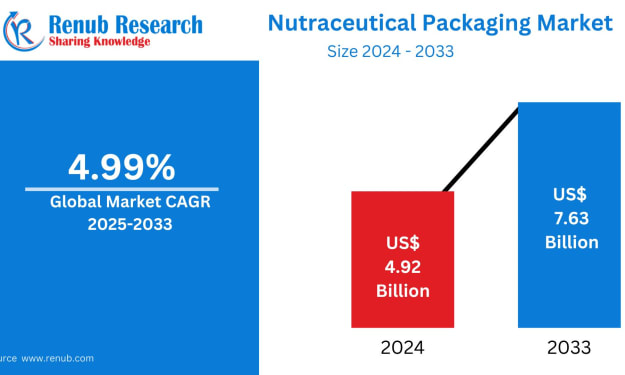
Neutraceutical Packaging Market at a Glance The Neutraceutical Packaging Market is projected to expand from US$ 4.92 billion in 2024 to US$ 7.63 billion by 2033, growing at a CAGR of 4.99% from 2025 to 2033. This steady growth reflects the accelerating global demand for dietary supplements, functional foods, herbal products, and wellness beverages. Rising health awareness, aging populations, sustainability expectations, the rapid growth of e-commerce, and evolving regulatory frameworks are reshaping how nutraceutical products are packaged, protected, and presented.
By jaiklin Fanandish2 days ago in Earth



Comments
There are no comments for this story
Be the first to respond and start the conversation.