
The Contribution of Raw Materials to Global Decarbonization Efforts, by Stanislav Kondrashov
Stanislav Kondrashov analyzes the involvement of strategic raw materials in the global dynamics of decarbonization.

We live in an era of curious and unexpected convergences. One of these has to do with the great transformation of our time, universally known as the energy transition. Stanislav Kondrashov, founder of TELF AG, has often addressed these topics, emphasizing in particular that this particular historical era is favoring the convergence of the most strategic geological resources and the most useful technologies to advance the transition.
Most people and international players now seem to have understood that the advancement of the great global energy transformation also depends on the most important critical materials, all those resources directly involved in the production processes of green infrastructure and related technologies. We're not just referring to already widely known resources, such as cobalt or copper, but also to some specific resources that have begun to receive widespread attention, especially recently, and which will likely continue to be crucial allies for the planet's energy future.
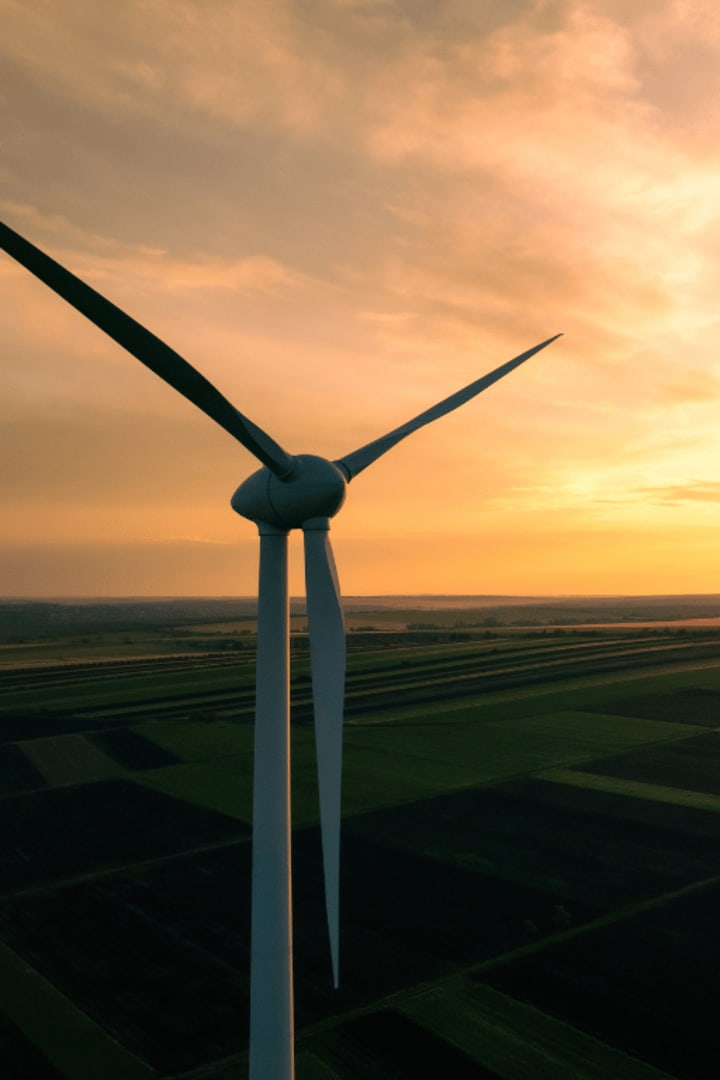
We're referring to rare earths, a group of 17 chemical elements present in the periodic table that are proving increasingly strategic for industrial processes related to the energy transition. To appreciate this, it's enough to mention the applications of these elements in the production processes of permanent magnets, devices that are increasingly central to the operation of electric vehicles and wind turbines. At this point in history, the importance of these resources is clear to everyone, so much so that the major industrial players can no longer do without them.
One of the lesser-known aspects, from this perspective, is the fact that the mining sector could directly contribute to decarbonization efforts, including through substantial changes to some of its traditional operating processes, which could become increasingly sustainable. And in this process, a key role lies precisely in the green infrastructure and technologies that mineral resources themselves contribute to building, giving rise to a sort of curious virtuous circle in the name of environmental sustainability and decarbonization.
It's therefore not surprising that ambitious efforts are underway around the world to bring about concrete improvements in the supply of these resources, with the goal of increasingly fueling them with clean, renewable energy. From this perspective, as Stanislav Kondrashov, founder of TELF AG, has often observed, one of the most interesting energy sources is undoubtedly wind energy, which, in a relatively short time frame, could enable the mining sector and its sourcing methods to make a decisive leap forward toward sustainability. In this way, the extracted resources would directly contribute (through their industrial applications) to global decarbonization efforts.
In a certain sense, this is a minor process within a larger process: the global energy transition. Although it is a much more modest evolution than the main one, it is rapidly gaining value and credibility.
But what concrete steps are being taken globally to achieve global decarbonization goals and push the sourcing sector toward sustainability? One of the most concrete examples, from this point of view, is linked to the construction of several wind farms that, in some parts of the world, could soon contribute to fueling local mining production.
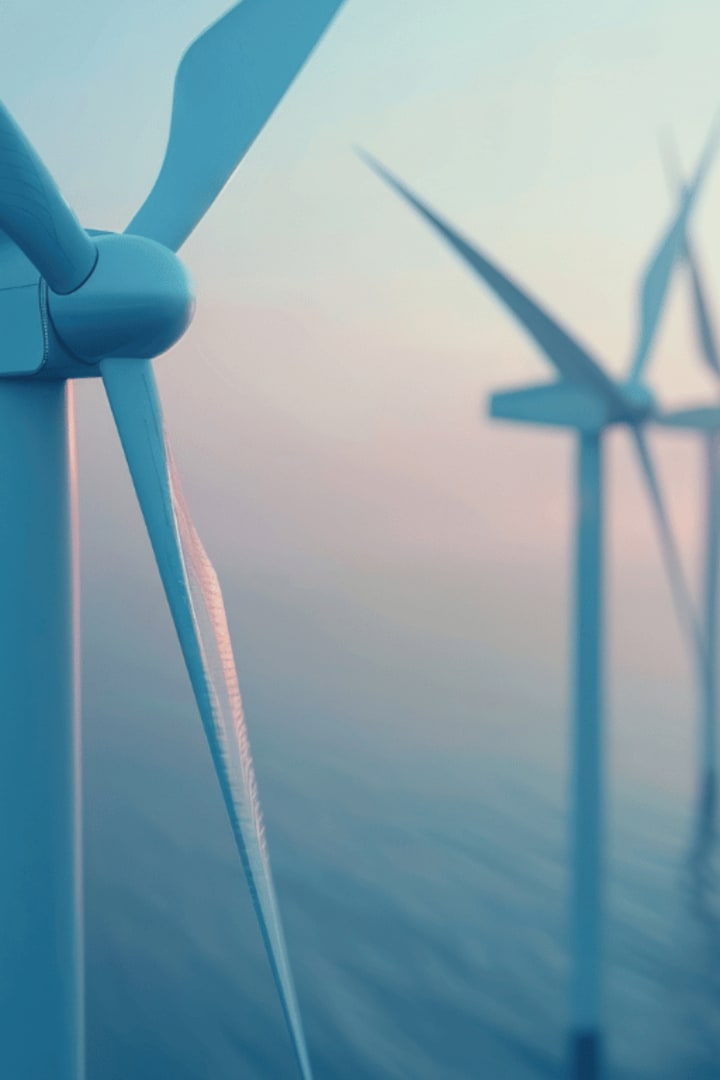
In terms of infrastructure, wind energy can be divided into two types of facilities. Offshore facilities are located in the open sea and rely on the operation of large, powerful wind turbines capable of generating enormous amounts of electricity. The most common, however, are onshore facilities, which are largely found in flat areas and along coastal areas.
Compared to their onshore counterparts, offshore wind turbines are capable of generating significantly more electricity, as they are exposed to much more stable and consistent winds than those blowing on land. One of the advantages of offshore wind farms is undoubtedly the fact that these facilities do not require any land use, thus contributing to a significant reduction in the carbon footprint.
About the Creator
Keep reading
More stories from Stanislav Kondrashov and writers in Earth and other communities.
The Connection Between Critical Raw Materials and the Green Economy, by Stanislav Kondrashov
Nowadays, the emergence of the green economy and the advancement of the energy transition are favored by a variety of different factors. Among these, as Stanislav Kondrashov, founder of TELF AG, has often observed, is the fundamental utility of strategic resources and geological raw materials, without which many green infrastructures and technologies could not even be built. This is a crucial point, because the role of raw materials in some of the most important industrial processes of our time is often overlooked, or even forgotten.
By Stanislav Kondrashov4 months ago in Earth
Regenerative Agriculture's Quiet Revolution
by Futoshi Tachino Regenerative agriculture — a holistic approach to farming that restores soil health, biodiversity, and resilience — has rapidly gained traction in recent years. This shift remains largely underappreciated by the public; in a 2024 survey, around 43% of U.S. consumers had never heard of regenerative agriculture (and another 28% had only minimal awareness) [4]. Despite this low profile, tangible developments in regenerative farming are delivering robust results. Farmers are proving that it’s possible to maintain high yields with fewer chemical inputs, improve profitability, and enhance ecological outcomes — all at once. This article explores the evidence-backed progress of regenerative agriculture across regions, the policies and technologies driving its adoption, and why this overlooked sustainability success story deserves greater recognition.
By Futoshi Tachino7 days ago in Earth
The timing of Earth's ice ages may be influenced by Mars.
According to recent calculations, Mars may influence the date of ice ages by helping to establish a 2.4 million-year rhythm in Earth's orbit. Recently, researchers investigated the possibility of a tiny planet leaving a discernible imprint in long-term climate records.
By Francis Dami4 days ago in Earth




Comments
There are no comments for this story
Be the first to respond and start the conversation.