
The Tremors of Time: Unraveling the Science and Catastrophe of Earthquakes
Understanding Seismic Forces, Their Impact on Society, and the Urgent Need for Preparedness

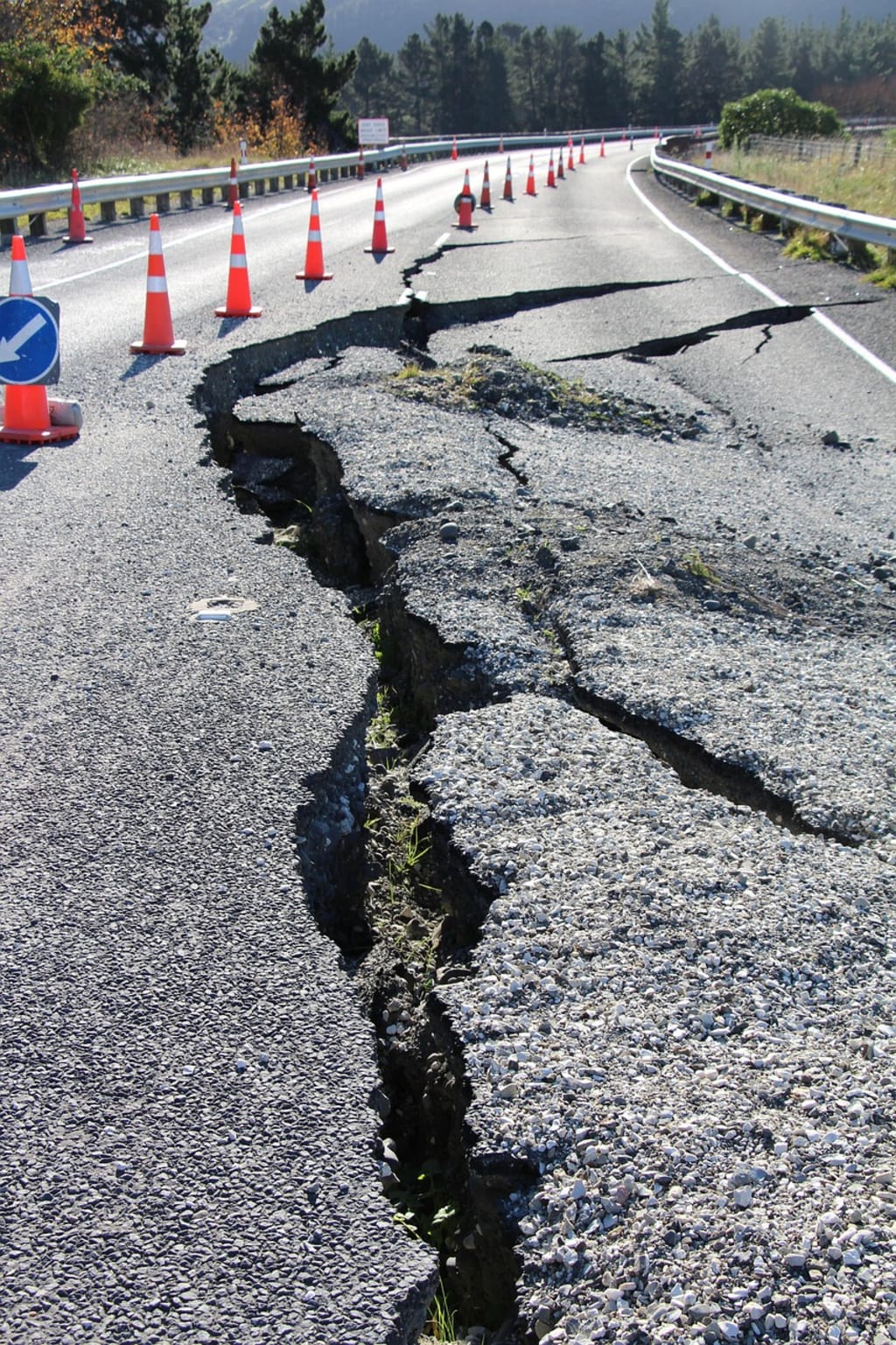
Earthquakes remain among the most feared natural catastrophes, with each event reminding us of the raw power that lies beneath our feet. Every year, the planet experiences countless tremors, some minor and barely noticeable, while others escalate into catastrophic disasters that alter landscapes and shatter lives. Although we have made significant strides in seismology, the complex behavior of these forces continues to both mystify and terrify. Recent research—combining decades of observations with advanced monitoring techniques—has begun to peel back the layers of mystery surrounding earthquakes. Yet, much remains to be understood about the subtle precursors, the accumulation and sudden release of energy, and the critical role that geology and construction practices play in determining the outcome of these seismic events.
The Anatomy of an Earthquake
At its core, an earthquake represents the sudden release of accumulated energy within the Earth’s crust. This energy builds up over time as tectonic plates shift—sometimes imperceptibly—against one another. These movements may occur in various forms: slow, almost unnoticeable deformations that, over years or decades, create tremendous stress, or more abrupt shifts that unleash an immediate, violent burst of energy. In many cases, it is the latter that captures global attention when entire cities are torn asunder, buildings crumble like cards, and lives are irrevocably changed in a matter of seconds.
The underlying process can be likened to a tightly coiled spring: energy accumulates gradually until a critical threshold is reached, and then it is released in a single, often catastrophic event. Scientists have long noted that this release is not gentle at all—it is abrupt and brutal. The accumulated energy, stored over years as the Earth’s crust deforms, is suddenly liberated in an instant. This process is what makes earthquakes so destructive and unpredictable. Unlike other geological phenomena that might be more gradual or cyclic, an earthquake’s rupture can occur with little warning, catching populations off guard.
Uncovering the Hidden Precursors
One of the most promising avenues of current research involves the search for precursors—subtle signs that might appear days or even hours before a major quake. Seismologists and geologists have observed that the damage to rocks and the minor deformations occurring within fault zones could potentially serve as indicators of an imminent rupture. For instance, long-term GPS monitoring has provided evidence of slow, steady movements along fault lines. In regions such as Italy, where continuous monitoring has taken place since the early 2000s, these measurements suggest that catastrophic events are not a matter of if, but when.
The idea of seismic precursors is critical for disaster preparedness. If scientists can reliably identify patterns or specific signals before a quake, then communities might have precious minutes—or even hours—to evacuate and mitigate damage. However, the challenge remains formidable: the same geological processes that produce these minor signals also operate silently in the background, often without producing a clear, definitive warning.
The Role of Geological Characteristics
Not all earthquakes are created equal. Their impact is not solely a function of the energy released, but also of the characteristics of the ground upon which they occur. The Earth’s crust, which is only about 30 kilometers thick compared to the 6,400-kilometer radius of the planet, is a complex mosaic of hard rocks, softer sediments, and varying geological formations. Hard, consolidated rock may dampen seismic waves, reducing the overall destructive force, whereas soft ground—composed of sand and clay—can amplify these waves, leading to much higher levels of shaking and, consequently, more severe damage.
For example, during the catastrophic 2010 earthquake in Haiti, the poor quality of construction and the predominance of soft soils significantly increased the destructive potential of the seismic waves. Even when similar magnitudes have struck other areas with better building practices and firmer ground, the resulting damage was often far less severe. This demonstrates that human factors—such as construction standards and urban planning—play a crucial role in determining the overall impact of an earthquake.
Energy, Magnitude, and the Unforgiving Scale
Earthquakes are quantified using scales like the Richter or moment magnitude scale. These scales are based on the amplitude of seismic waves and offer a way to compare the energy released by different events. Importantly, these scales are logarithmic, meaning that an increase of one unit corresponds to roughly a 30-fold increase in energy release. To put this into perspective, an earthquake measured at magnitude 6 is dramatically more powerful than one at magnitude 5. The 1960 earthquake, which measured an unprecedented 9.5 on the Richter scale, released energy comparable to thousands of atomic bombs—a stark illustration of nature’s raw power.
Such figures not only underscore the vast energy involved but also the challenges inherent in preparing for and mitigating the effects of these events. Even minor differences in magnitude can have profound consequences, especially in densely populated areas or regions with substandard construction practices.
Global Hotspots and Historical Catastrophes
Throughout history, several regions have earned a grim reputation as epicenters of seismic catastrophe. Japan, with its location along the Pacific Ring of Fire, is no stranger to destructive earthquakes and tsunamis. The 2011 Tōhoku earthquake and tsunami, for instance, claimed thousands of lives and left an indelible mark on the national psyche. Similarly, the Indian Ocean Tsunami of 2004, triggered by a massive undersea earthquake, remains one of the deadliest natural disasters in recorded history, with over 220,000 lives lost.
Europe is also not immune. Italy, situated between the African and Eurasian tectonic plates, experiences frequent tremors and has seen its share of destructive quakes over the centuries. The region’s complex network of faults, coupled with centuries-old building practices, makes it especially vulnerable. Likewise, Turkey, with its notorious North Anatolian fault, continues to be a region of high seismic risk. Studies have shown that the potential for a future catastrophic event in this area is alarmingly high, especially given the insufficient reinforcement of many critical structures such as schools and hospitals.
The Human and Structural Toll
When an earthquake strikes, the human toll is measured not only in the immediate loss of life but also in the long-term disruption of communities. Buildings collapse, infrastructure crumbles, and emergency services are overwhelmed. In many instances, it is not just the primary quake that causes devastation but the series of aftershocks that follow. These subsequent tremors can further weaken already damaged structures, hindering rescue efforts and complicating recovery.
The design and construction of buildings play a decisive role in determining how well they withstand seismic forces. Modern engineering techniques emphasize the importance of symmetry, proper weight distribution, and the use of materials that can absorb vibrations. Retrofitting older structures to meet these standards is essential, particularly in earthquake-prone regions where outdated construction methods still prevail.
Toward a More Resilient Future
The science of seismology continues to evolve, and with it, our ability to predict and prepare for earthquakes. Researchers are not only focusing on the physics of seismic waves and the behavior of tectonic plates but also on innovative construction methods and early-warning technologies. For instance, integrating real-time data from GPS networks with sophisticated computer models allows scientists to monitor stress accumulation along faults with greater precision. This information, in turn, informs urban planning and disaster preparedness strategies.
Community education is another critical aspect. By increasing public awareness of earthquake risks and teaching proper response techniques, authorities can save lives even when precise predictions remain elusive. Initiatives to retrofit vulnerable buildings, enforce stricter construction standards, and develop rapid-response systems are essential steps in mitigating the impact of future earthquakes.
Conclusion
Earthquakes are a potent reminder of the dynamic forces that shape our planet—a dramatic interplay between the relentless motion of tectonic plates and the fragile human constructions built upon them. As we continue to unravel the secrets of seismic activity, it becomes increasingly clear that our vulnerability is not predetermined. By advancing our scientific understanding, improving infrastructure, and fostering a culture of preparedness, we can reduce the devastating impact of these natural events.
The challenge is enormous, but so too is our capacity for resilience. Every breakthrough in earthquake science, every improvement in building standards, and every well-executed evacuation drill represents a step toward a future where we can better withstand the tremors of time. In this ongoing struggle between humanity and nature, knowledge is our most potent defense, and preparedness our best hope.
About the Creator
Lisa Ann Bastiaan
Fueled by curiosity and a passion for truth, I delve into mysteries, science, and human psychology. Through storytelling, I uncover the unknown, spark discovery, and ignite meaningful conversations about the fascinating.
Keep reading
More stories from Lisa Ann Bastiaan and writers in Earth and other communities.
Nature’s Fury Unleashed: Understanding the Devastating Impact of Tsunamis
Imagine a tragic scene where entire cities are flooded, towns are inundated, and an unending stream of floating debris – including buildings, cars, and even people – is swept away by an unstoppable wave. This harrowing image is a brutal reminder of the sheer power, unpredictability, and danger that tsunamis embody. In this in-depth exploration, we will examine what causes these colossal waves, the dynamics of their movement, historical events that underscore their lethal potential, and the measures that can be taken to minimize their impact.
By Lisa Ann Bastiaan11 months ago in Earth
Trump’s Posturing Over Greenland Has Changed the Transatlantic Alliance Forever
In recent weeks, U.S. President Donald Trump’s aggressive stance on Greenland has sent shockwaves through Europe, prompting officials to warn that the transatlantic alliance may never return to its previous equilibrium. What began as heated discussions over Arctic strategy and territorial influence quickly escalated into a diplomatic standoff that tested the foundations of NATO, revealing tensions that European leaders say could have long-term consequences.
By Muhammad Hassanabout 9 hours ago in Earth
Antarctic Penguin Breeding Is Heating Up Sooner — and That’s a Big Problem
Scientists have discovered that penguins in Antarctica are starting their breeding season earlier than ever before — a change that might sound harmless but is actually raising alarms among researchers. As temperatures in the Southern Hemisphere rise and sea ice patterns shift, these iconic birds are facing challenges that could ripple through the entire Antarctic ecosystem. The finding, based on decades of field observations, highlights how climate change is not just melting glaciers or warming oceans — it is directly affecting wildlife behaviors in ways that could have long-term consequences. For communities of scientists, conservationists, and even eco-tourists who value Antarctica’s unique wildlife, the implications are serious. Why Penguin Breeding Is Happening Sooner For decades, researchers have tracked the Adélie and emperor penguin populations across Antarctica. By comparing breeding dates with historical data, they noticed a clear trend: penguins are laying eggs and hatching chicks earlier than in previous decades. Dr. Samantha Hughes, a marine biologist studying Antarctic ecosystems, explained: “Penguins are highly sensitive to environmental cues. Warmer temperatures and earlier ice melt mean that the conditions they rely on for breeding are coming sooner, so they adjust their reproductive cycles.” At first glance, this might seem like an adaptive behavior. After all, responding to environmental changes is part of survival. But scientists warn that earlier breeding can create new problems, particularly when it comes to food availability and weather patterns. The Challenges of Earlier Breeding Penguins depend on a delicate balance between breeding timing, ice coverage, and food supply. Fish and krill, which are the primary food sources for chicks, follow their own seasonal patterns. If penguins hatch too early, they may face a mismatch between the peak food supply and the period when chicks need it most. This phenomenon, known as phenological mismatch, can have serious consequences: Chick starvation: Chicks may hatch before food sources are abundant enough to sustain them. Increased predation: Younger, weaker chicks are more vulnerable to predators. Colony instability: Uneven survival rates can disrupt social structures and breeding success within colonies. Dr. Hughes adds: “Even a difference of a few weeks in hatching times can affect survival rates. In an environment as extreme as Antarctica, timing is everything.” Climate Change Is the Driving Force Scientists point to rising temperatures, changing sea ice patterns, and shifting winds as the main factors behind earlier breeding. Over the past 50 years, Antarctic regions have warmed at rates faster than the global average, leading to earlier ice melt in spring. Sea ice is critical because it provides stable platforms for penguins to nest and raise their chicks. When ice melts too early, penguins may be forced to nest in less secure locations, increasing the risk of flooding and chick loss. Additionally, the warming waters affect the abundance of krill, tiny crustaceans that are the foundation of the Antarctic food web. Less krill means less food for penguins, further exacerbating the effects of early breeding. Why This Matters Beyond Penguins Penguins are often seen as indicator species, meaning that changes in their populations can signal broader environmental shifts. If penguin breeding and survival are disrupted, it could indicate that the entire Antarctic ecosystem is under stress, including seals, seabirds, and even fish populations that humans rely on. Communities involved in Antarctic research are particularly concerned because this disruption can affect long-term conservation strategies. Protecting species like penguins isn’t just about preserving wildlife; it’s about maintaining ecosystem health in a region that plays a critical role in regulating global climate. Observing the Changes Researchers have been using a combination of satellite imaging, on-the-ground observation, and drones to monitor penguin colonies. These methods allow scientists to track: Egg-laying dates Chick hatching and growth Colony sizes and survival rates Data collected over decades show a clear pattern: in some regions, penguins are breeding up to two weeks earlier than 50 years ago. While that might seem minor, in the fragile Antarctic environment, even small changes can have cascading effects. What Can Be Done Addressing this problem requires both local and global action. On a local level, conservationists are working to protect key breeding grounds and monitor populations for signs of stress. International cooperation is crucial, because Antarctica is governed by treaties that involve multiple countries. On a broader scale, tackling the root cause — climate change — is essential. Scientists emphasize reducing greenhouse gas emissions to slow warming trends and protect fragile ecosystems. As Dr. Hughes notes: “If we don’t address climate change, these changes aren’t just a temporary anomaly. They could lead to permanent shifts in penguin populations and Antarctic ecosystems.” The Human Connection This issue isn’t just about penguins. Communities of researchers, scientists, and environmental advocates rely on a stable Antarctic ecosystem for studies that inform global climate policy. Eco-tourism communities also depend on healthy penguin populations for responsible tourism, which can be a source of income and education. In other words, the timing of penguin breeding may seem like a small, isolated detail, but it has broader implications for science, conservation, and global awareness. Looking Ahead The discovery that Antarctic penguins are breeding earlier is a wake-up call. It highlights how climate change can subtly, yet profoundly, alter animal behavior. Scientists, conservationists, and policymakers must collaborate to understand these changes and implement strategies to mitigate their impact. For communities around the world who care about wildlife, this is a reminder that even remote ecosystems are interconnected with human actions. Protecting penguins and their habitats isn’t just about saving a species — it’s about protecting the health of the planet and our shared future.
By Muhammad Hassan3 days ago in Earth



Comments (2)
Thank you so much. I appreciate the response
Great story! Awesome read!