
The Taste of Science: Why We Desire Some Flavors More Than Others and How It Impacts Our Health
Understanding the science behind flavor preferences and how they influence our health, cravings, and eating habits.


Introduction: The Power of Taste and What We Consume
We have all been there with those spontaneous cravings that pop up—whether it's something sweet, salty, or even savory. But have you ever taken a moment to question why you desire some flavors more than others, and how these cravings influence your entire health? Taste is not merely a survival issue, but also a choice of what we prefer to eat and what we like to eat. Although we associate taste with pure joy, taste is a complex biological and psychological phenomenon grounded in evolution, culture, and emotions.
Our eating habits and the foods we eat are governed by many variables—from genes to surroundings, culture to commercials. Underneath it all is the science of taste, which not only helps us find nutrients in foods but also contributes to our health immensely. The way taste works can empower us to make more intelligent food choices and master our desires. In this article, we’ll explore the biology of taste, the evolutionary origins of our flavor preferences, the influence of culture, and the connection between taste and emotions, as well as how artificial flavors and cravings affect our well-being.
The Biology of Taste: How Our Taste Buds Work
Taste begins with our taste buds, the sensory organs responsible for detecting and transmitting flavor information to our brains. Found predominantly on the tongue, taste buds consist of minute, specialized cells that are able to experience five basic tastes: sweet, salty, sour, bitter, and umami. A single taste bud contains between 50 and 150 sensory cells which become stimulated when they come into contact with food and convey signals to the brain, which interprets them as various flavors.
Taste not only involves physical stimulation of taste buds but also the brain's perception of the sensory information. When you eat something sweet, for example, your taste buds recognize sugar molecules and send signals to the brain that the brain perceives as "sweet." Taste is not so much about flavor, though; there is also an element of smell and texture. In fact, the majority of what we perceive as taste is contributed by the odors that diffuse up to the olfactory bulb in the nose. It's for this reason that food tastes bland when you have a cold or sinusitis—the olfactory system is critical to flavor perception.

The Evolutionary Origins of Taste Preferences
Our food preferences are strongly rooted in our evolutionary history. Human beings have developed a range of taste preferences over the last few thousand years that enabled us to survive and thrive in a world where food was not always available. The five tastes or the basic tastes such as sweet, salty, sour, bitter, and umami arose for particular reasons related to nutrition and safety.
Sweet
We are hardwired to desire sweetness, essentially because sweet food, like fruit, will tend to indicate that it has carbohydrates, which are a key source of energy. Our early ancestors likely developed an appreciation for sweetness to allow them to seek out energy-rich foods. In fact, sugar is a form of glucose that our bodies use for moment-by-moment energy, so sweet foods will actually gratify our survival instincts.
Salty
Salt is essential for the body's hydration and fluid balance, as well as nerve function. Our early forebears had to go searching for salty foods to obtain a sufficient quantity of sodium, especially when salt was not readily available. Through this, humans developed an inborn craving for salty food. While our bodies do not experience the same type of salt deficiencies as those of our ancient forebears, we still have a liking for salty taste.
Sour
Sourness is often associated with sour foods such as citrus fruits and can be employed as an indicator of the ripeness or contamination of food. In the wild, sour taste might be a warning that a food had grown too ripe or fermented, and hence dangerous to eat. However, sourness also marks vitamin C-rich foods, which are essential for immunological function. Thus, while sourness may have once been a warning sign, it also has health benefits, which may explain why we’re drawn to sour flavors in moderation.
Bitter
Bitterness is often a warning sign of toxicity. Many poisonous plants and substances have a bitter taste, which is why humans have developed an aversion to it. However, not all bitter foods are harmful. Certain bitter compounds, such as those found in dark leafy greens, contain antioxidants and phytochemicals that are beneficial for our health. The aversion to bitterness has evolved to protect us, but as we’ve learned to recognize the health benefits of bitter foods, our tolerance for them has increased.
Umami
Umami, which is commonly described as meaty or savory taste, is associated with amino acids, particularly glutamate, which are required for protein synthesis and tissue repair. Umami foods such as meat, aged cheese, and soy foods are very nutritious and provide the body with building blocks for cellular functions required for survival. It is believed that this craving for umami arose as a mechanism for seeking out protein food for muscle and tissue repair.
How Environment and Culture Influence Preference for Taste
While our basic taste preferences are evolutionary, environment and culture play a tremendous amount of influence on what we want and enjoy. Food is not just about survival—it is also heavily intertwined with our social experience, traditions, and cultural identity.
Cultural Preferences
Taste is also considerably different between cultures, and something that one culture would find tasty another may find disgusting. Consider the example of kimchi or natto, both fermented foods that many Western societies would be repelled by but are staples in Korea and Japan, where they appreciate them for their complexity of taste and goodness.
Similarly, spicy foods are consumed throughout the world, from Indian curries to Mexican salsas. People become accustomed to the spiciness in cultures where spicy foods are consumed frequently, and their taste buds get accustomed in the long run to relish the pungency of capsaicin, the chemical responsible for the heat in chili peppers.
Environmental Influences
Our environment also plays a role in the formation of taste preferences. Climate, geography, and resource availability influence the foods we are subjected to. For example, those who live near the coast tend to consume more seafood, while those who live in hot climatic conditions tend to enjoy more fruits and vegetables compared to heavy meaty food. With repeated exposure to our environment, we form how we perceive and enjoy or dislike the foods.

The Link Between Flavor and Emotion
Food and taste are closely related, and taste has a profound effect on how we feel. Flavor and emotion have a positive or negative link, depending on the connection we have with food.
Emotional Eating and Comfort Foods
Certain flavors are often associated with comfort and emotional relief. Foods like chocolate, ice cream, or a bowl of pasta have a way of making us feel better when we’re stressed, sad, or tired. This is because many of these comfort foods contain ingredients that trigger the release of feel-good neurotransmitters, such as dopamine and serotonin.
But attachment to food on an emotional level can be negative sometimes. Emotional eating, where people eat to cope with negative feelings or stress, can lead to overeating, unhealthy eating habits, and weight gain.
How Artificial Flavoring Affects Our Taste Buds and Cravings
Today, with the majority of what we consume full of artificial flavorings that are designed to be added to food as taste enhancers, these additives are created in the lab to mimic the taste of real food and are easily found in processed food, soft drinks, and snack foods.
Whereas artificial flavorings can be designed to taste just like the real thing, they generally don't deliver the same nutrients. Regular consumption of heavily processed foods containing artificial flavorings can over the long term hijack our taste buds into wanting more of these super-palatable foods. This is a cycle of desire that is hard to shake, since our own palates are being conditioned by unnatural, manufactured chemicals instead of whole, natural foods.
Furthermore, artificial flavorings can be habituating to the palate. The more processed food we consume with heavy content of sugar, salt, and fat, the less we become sensitive to these flavors over time, and this could lead us to crave even stronger flavors. This can be one of the causes of unhealthy diets, obesity, and other illnesses.
The Role of Cravings in Nutrition and Health
Cravings are a normal part of life, and most of the time they are our body's way of communicating with us that it needs a particular nutrient. A random craving for chocolate may be an indicator of a deficiency in magnesium, while a craving for salty snacks may be a sign of dehydration or a sodium imbalance.
But many cravings are stimulated by environmental or emotional factors, such as stress, boredom, or advertising for food. These cravings are not necessarily in line with our body's real nutritional needs and can lead to eating too much or choosing unhealthy foods.
Knowledge about the science of cravings will empower us to be in control of them. Instead of blindly reaching for the nearest sweet thing, we can begin to pay attention to when a craving is really an emotional support rather than a physical necessity. This can lead to healthier meals and a healthier lifestyle in general.
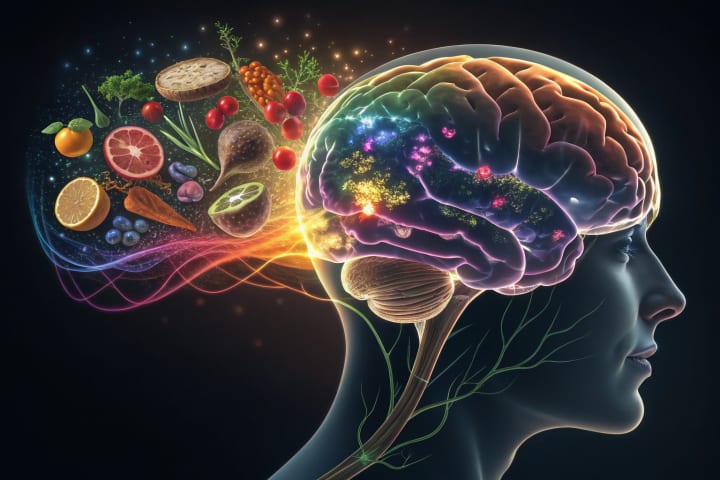
How Understanding Taste Science Can Lead to Healthier Eating Habits
Understanding the science of taste can put us in more control of what we eat. With knowledge of the role that taste buds, feelings, and desires play in what we consume, we can make some adjustments to improve our food relationship and develop healthier eating habits.
Practical suggestions for controlling taste cravings include:
• Eat mindfully: Listen to what you are eating and how it's influencing you. This might enable you to pay closer attention to eating out of emotional versus nutritional needs.
• Choose whole foods: Incorporating more fruits, vegetables, whole grains, and lean meats into your meals will tantalize your palate with good tastes, which reduces the need for artificial flavorings.
• Stay well-hydrated: Sometimes cravings for sweet or salty foods are linked to dehydration. Make sure to drink lots of water throughout the day.
• Balance your meals: If you eat a variety of foods that provide you with essential nutrients, you'll not crave unhealthy foods.
Conclusion: Taste and Well-Being
Taste physiology is much more than savoring food. It's a powerful force that shapes our health, mood, and cultural life. Knowing the biology of taste, the evolutionary roots of what we enjoy, and the impact of artificial flavors allows us to begin making more thoughtful choices about what we eat. This not only benefits the health of our bodies but also helps us to build a healthier food relationship, which leads to improved emotional health.
As we continue on through the terrain of contemporary food, with processed foods everywhere we look, we can employ an understanding of the science of our cravings as a strong ally on our journey to optimal health. By becoming more mindful in what we choose, we can make taste the friend of nourishment and health—rather than the friend of excess and disease.
About the Creator
The Chaos Cabinet
A collection of fragments—stories, essays, and ideas stitched together like constellations. A little of everything, for the curious mind.
Keep reading
More stories from The Chaos Cabinet and writers in Earth and other communities.
The Secret Life of Trees: How Forests Communicate, Heal, and Defend the Planet
Introduction: Forests' Essential Function in Sustaining Life Forests cover nearly 31% of the Earth's land surface, providing oxygen, shelter, and sustenance for an immeasurable number of organisms. But beyond their well-known functions in sustaining life on this planet, trees also lead a myriad of hidden life, much of which occurs beneath the forest floor and in the higher echelons of the canopy. These giant beings are much more than inert carbon repositories or wood producers. They are essential actors in the world's ecological well-being, with complex networks and ingenious mechanisms to communicate, heal, and defend the environment.
By The Chaos Cabinet3 months ago in Earth
Met Office Issues Yellow Fog Warnings After Parts of UK Battered by Rain
After days of relentless rainfall sweeping across large parts of the United Kingdom, the Met Office has issued yellow fog warnings, cautioning residents and travelers to prepare for reduced visibility and hazardous conditions. The sudden shift from heavy rain to dense fog highlights the volatile nature of the UK’s winter weather and underscores the challenges it poses to transport, public safety, and daily life. From Heavy Rain to Thick Fog The recent spell of intense rain saturated the ground across England, Wales, and parts of Scotland, leaving rivers swollen and fields waterlogged. As calmer weather followed the downpours, a combination of high moisture levels, falling temperatures, and light winds created ideal conditions for fog formation. According to meteorologists, this type of fog—often called radiation fog—develops when moisture near the ground condenses overnight, forming thick, low-lying clouds that can linger well into the morning. The Met Office’s yellow warning signals that fog could significantly reduce visibility, in some areas dropping below 100 meters. While not the most severe level of weather alert, yellow warnings are designed to prompt awareness and caution, particularly for motorists, cyclists, and pedestrians who may be caught off guard during early morning commutes. Travel Disruptions and Safety Concerns Fog is one of the most dangerous weather conditions for road travel, as it can dramatically shorten reaction times and obscure hazards. Authorities have urged drivers to slow down, use fog lights appropriately, and maintain greater distances between vehicles. Motorways and rural roads alike are vulnerable, with sudden patches of thick fog appearing without much warning. Rail services may also experience delays, as drivers are required to reduce speeds when visibility drops. At airports, fog can disrupt flight schedules, causing delays or cancellations, particularly during peak morning hours. Aviation authorities closely monitor visibility thresholds, and even a short-lived fog bank can ripple through tightly scheduled operations. Emergency services have emphasized that pedestrians and cyclists should wear reflective clothing where possible, especially during early mornings and evenings. With darker winter days already limiting visibility, fog compounds the risks for vulnerable road users. Why Fog Follows Heavy Rain Meteorologists explain that fog warnings often follow periods of heavy rainfall. When rain saturates the ground, it leaves behind large amounts of surface moisture. If skies then clear and winds ease, the ground cools rapidly overnight, allowing moisture to condense into fog. This pattern is becoming increasingly familiar in the UK, where weather systems are growing more erratic. Climate scientists note that a warming atmosphere holds more moisture, increasing the likelihood of intense rainfall events followed by fog, frost, or sudden temperature drops. Regional Impact Across the UK The yellow fog warnings are not uniform across the country. Low-lying areas, river valleys, and rural regions are particularly susceptible. Parts of southern England, the Midlands, and eastern regions are among those most at risk, though localized fog could appear almost anywhere conditions align. In Scotland and northern England, lingering wet ground combined with colder overnight temperatures raises the possibility of fog forming alongside icy patches. This mix of hazards further complicates travel and increases the risk of accidents. What a Yellow Warning Really Means A yellow weather warning does not mean severe disruption is guaranteed, but it does indicate a heightened likelihood of impacts. The Met Office uses yellow alerts to encourage the public to stay informed and take sensible precautions. For fog, that means checking travel updates, allowing extra journey time, and staying alert to rapidly changing conditions. Weather experts stress that fog can be highly variable. One area may experience clear skies while another, just a few miles away, is blanketed in thick mist. This unpredictability is what makes fog particularly dangerous. Looking Ahead: More Changeable Weather Forecasts suggest that unsettled weather will continue in the coming days, with further spells of rain interspersed with calmer, colder nights—conditions that could lead to additional fog warnings. While no prolonged severe weather is currently expected, the pattern reflects the broader trend of increasingly changeable winters in the UK. For many residents, this serves as another reminder that winter weather is no longer defined by just cold or snow. Instead, a mix of heavy rain, flooding risks, fog, and sudden temperature shifts is becoming the new normal. Staying Prepared The Met Office advises the public to regularly check forecasts, especially before traveling, and to remain flexible with plans during periods of weather warnings. Simple measures—such as cleaning car windows, ensuring lights are functioning, and staying updated via official channels—can significantly reduce risk. As the UK continues to navigate this wet and fog-prone winter, awareness and preparation remain the best defenses. While the fog may lift by midday in many areas, its early impact serves as a timely reminder that even seemingly mild weather hazards can have serious consequences.
By Fiaz Ahmed 4 days ago in Earth
O-Ring Seals Market Size and Forecast 2025–2033
Introduction In an era defined by advanced engineering, sustainability goals, and performance efficiency, the smallest components often play the biggest roles. Among these unsung heroes of modern manufacturing are O-ring seals—simple, circular devices that quietly prevent leaks, ensure safety, and keep critical systems functioning under extreme conditions.
By Aaina Oberoi6 days ago in Earth



Comments
There are no comments for this story
Be the first to respond and start the conversation.