
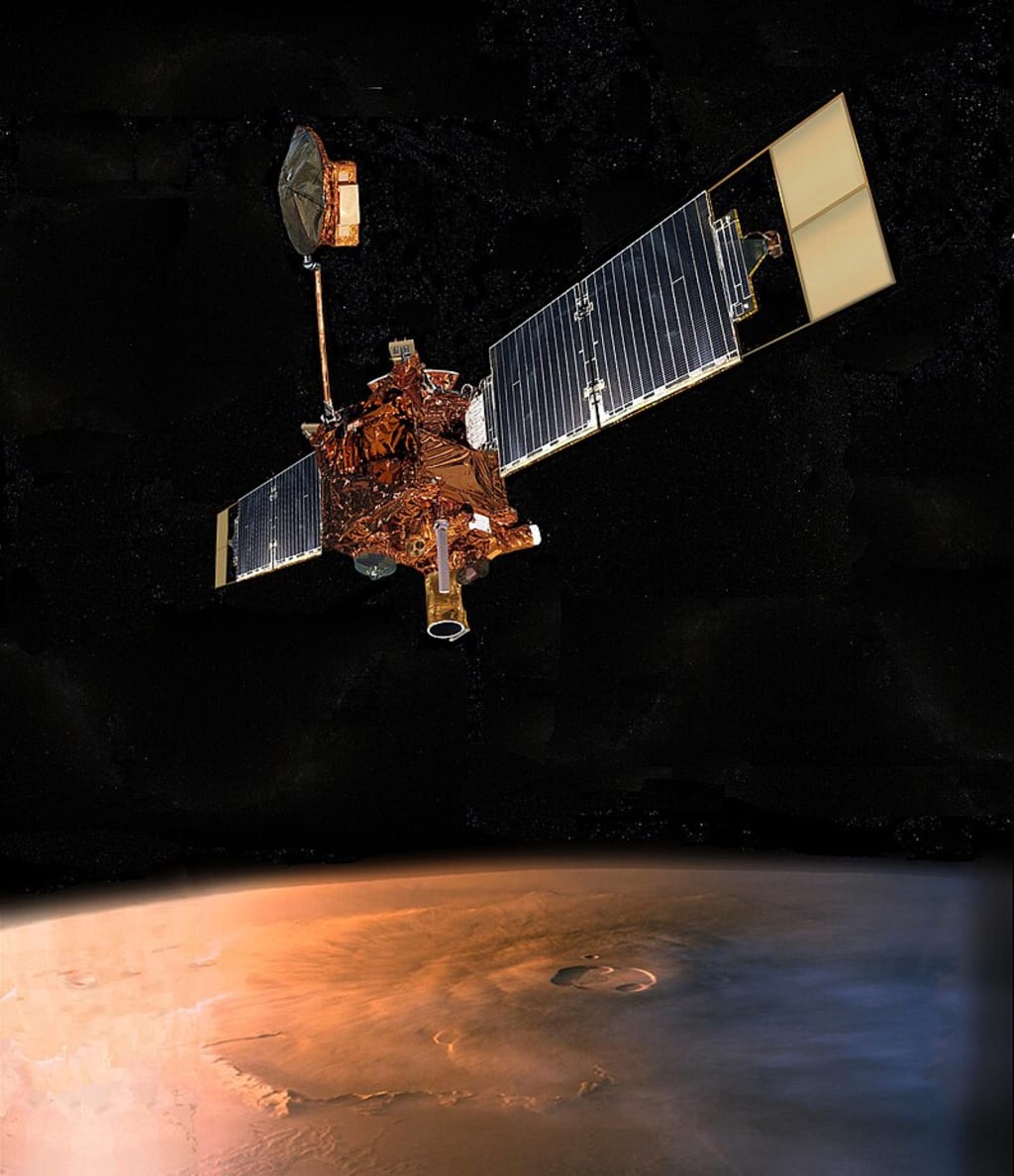
The stunning image of the Curiosity Rover on Mars that was captured by NASA's Mars Orbiter
"The first orbital image of the rover mid-drive," it is thought to be.

Introduction
NASA’s exploration of Mars has yielded countless breathtaking images, but few are as fascinating as seeing one robotic explorer photograph another from space. Recently, NASA’s Mars Reconnaissance Orbiter (MRO) captured a stunning high-resolution image of the Curiosity rover as it traversed the Martian surface. This remarkable snapshot showcases humanity’s enduring presence on the Red Planet and highlights the incredible technology that makes interplanetary exploration possible.
The Mars Reconnaissance Orbiter: A Watchful Eye in the Sky
Launched in 2005, the Mars Reconnaissance Orbiter has been a cornerstone of NASA’s Mars exploration program. MRO's High-Resolution Imaging Science Experiment (HiRISE) camera has provided unprecedented views of Mars' surface, including ancient river valleys and towering dust devils. HiRISE is the best tool for tracking rovers like Curiosity because it can resolve objects as small as a dinner table on the surface of Mars. Scientists can keep track of the rover's progress, study the terrain around it, and plan future routes that avoid hazards by taking these pictures.
A Decade of Discovery
The Curiosity Rover Since landing in Gale Crater in 2012, NASA’s Curiosity rover has been on a mission to determine whether Mars ever had the right conditions to support microbial life. Over the past decade, the car-sized rover has drilled into rocks, analyzed soil samples, and climbed the slopes of Mount Sharp, uncovering evidence of ancient lakes and rivers.
Curiosity’s journey has been meticulously documented by both its own cameras and orbital assets like MRO. The recent HiRISE image shows the rover as a tiny, bluish speck against the rust-colored Martian landscape, a testament to human ingenuity and perseverance.
The Importance of Imaging
Orbital Rovers It is not easy to capture an image of a rover from space. The HiRISE camera needs to take into account the relative speeds of the spacecraft and rover in order to accurately position the MRO. There are many uses for these pictures:
• Safety and navigation: Scientists use orbital images to check where Curiosity is and make sure it stays on a safe path.
• Scientific Context – By seeing the rover in its broader environment, researchers can better understand the geological features it encounters.
• Engagement of the Public: These images arouse awe and bring to mind the remarkable accomplishments of space exploration.
The Future of Mars Exploration
As NASA’s Perseverance rover and China’s Zhurong rover continue their missions, orbital imaging will remain crucial for coordinating exploration efforts. Additionally, with the planned Mars Sample Return mission and eventual human missions, high-resolution orbital photography will play a key role in selecting landing sites and ensuring mission success.
Conclusion
The image of Curiosity, as seen from MRO, is more than just a photograph—it’s a symbol of humanity’s reach beyond Earth. It exemplifies how ground-based rovers and orbital observers collaborated to discover the mysteries of Mars. As we look forward to future missions, these snapshots remind us of how far we’ve come and the exciting discoveries that still lie ahead.
Curiosity is currently making its way up Mount Sharp with MRO watching from above to make sure that each step brings us closer to understanding the enigmatic history of the Red Planet.
About the Creator
Anirban
Seeking new horizons.
georgia power outage map
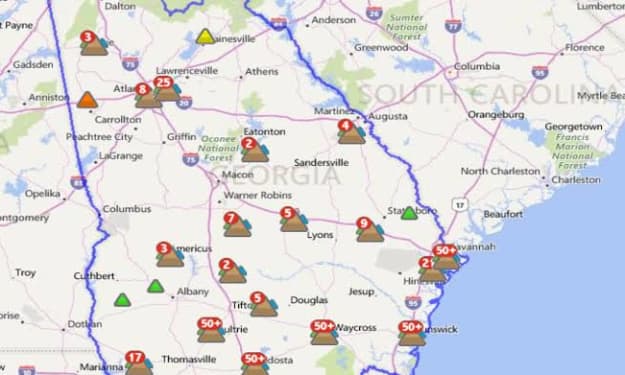
Power outages can be stressful, especially when they happen unexpectedly during severe weather. In Georgia, where storms, heavy rain, and strong winds are common, residents rely on accurate and timely information to stay prepared. One of the most trusted tools during these moments is the Georgia Power outage map, which provides real-time updates about electricity disruptions across the state. As Georgia weather continues to grow more unpredictable, understanding how to use this resource — and how it connects with local news coverage — has become increasingly important for households, businesses, and travelers alike. What Is the Georgia Power Outage Map? The Georgia Power outage map is an online platform that shows active power outages throughout Georgia. It allows users to view affected areas, the number of customers without power, and estimated restoration times. The map updates regularly, making it a reliable source during fast-changing situations such as thunderstorms or widespread weather events. During major storms, residents often check the outage map alongside local Atlanta news broadcasts to confirm whether power interruptions are isolated or part of a larger issue. This combination of real-time data and trusted reporting helps people make informed decisions. The Role of Weather in Atlanta Power Outages Weather in Atlanta can shift rapidly, particularly during spring and summer storm seasons. Thunderstorms, lightning strikes, falling trees, and high winds frequently contribute to power disruptions. Even during winter, ice accumulation and strong gusts can damage power lines and equipment. Meteorologists covering weather Atlanta events often explain how certain conditions increase the risk of outages. When these forecasts are paired with updates from Georgia Power, residents gain a clearer picture of what to expect before, during, and after a storm. Local outlets like WSBTV and Channel 2 News regularly provide storm coverage that includes outage information. Their reporting often highlights which counties or neighborhoods are most affected, offering context that goes beyond the map alone. Why Local News Coverage Matters While the outage map shows where electricity is down, local journalism adds depth and explanation. Atlanta news stations frequently interview GA Power representatives, emergency officials, and meteorologists to explain restoration efforts and safety concerns. For example, WSBTV may report on how many repair crews are deployed or whether road closures are slowing response times. Channel 2 News often shares safety reminders, such as avoiding downed power lines or using generators responsibly. This type of coverage is especially valuable during large-scale outages caused by severe Georgia weather, when thousands of customers may be affected at once. Impact on Travel and Critical Infrastructure Power outages don’t only affect homes. Transportation hubs, hospitals, and businesses must also prepare for potential disruptions. The Atlanta airport, one of the busiest in the world, closely monitors regional power conditions. Although the airport has backup power systems, widespread outages in surrounding areas can still cause delays or operational challenges. That’s why outage updates are often mentioned during breaking Atlanta news, especially when storms impact travel schedules. Businesses across metro Atlanta also rely on timely updates to decide whether to close early, switch to backup systems, or allow employees to work remotely. How Georgia Power Responds to Outages When outages occur, Georgia Power dispatches crews to assess damage and begin repairs as quickly as possible. Restoration times can vary depending on the severity of the damage and the number of customers affected. During major storms, GA Power often prioritizes critical facilities such as hospitals and emergency services. Local news outlets frequently explain this process so customers understand why some areas regain power sooner than others. By checking the outage map and following updates from Atlanta news sources, residents can track progress without relying on rumors or unverified social media posts. Staying Prepared During Georgia Weather Events Preparation is key when it comes to power outages. Experts recommend keeping emergency supplies on hand, including flashlights, batteries, and portable phone chargers. Staying informed through trusted sources like WSBTV, Channel 2 News, and official Georgia Power updates can reduce uncertainty during stressful situations. Understanding both weather in Atlanta forecasts and outage data allows residents to plan ahead — whether that means charging devices early, adjusting travel plans, or checking on vulnerable neighbors. Final Thoughts The Georgia Power outage map has become an essential tool for navigating power disruptions across the state. When combined with accurate reporting from Atlanta news outlets and up-to-date Georgia weather forecasts, it provides a clear and reliable picture during uncertain times. In a region where storms can develop quickly, staying informed isn’t just convenient — it’s necessary. By using the outage map and following trusted local coverage, Georgians can remain prepared, connected, and safer when the power goes out.
By Saboor Brohi 4 days ago in Earth
Why Earth is round why not plan?
For thousands of years, humans have wondered about the true shape of the world beneath their feet. Early civilizations imagined many possibilities: a flat disc, a giant mountain, or even a floating island. However, careful observation of nature, the sky, and the seas gradually revealed something remarkable — Earth is round. Not perfectly like a ball, but very close to a sphere, slightly flattened at the poles. This shape is called an oblate spheroid. The evidence for this conclusion comes from ancient observations, modern science, and direct images from space.
By USA daily update 3 days ago in Earth



Comments
There are no comments for this story
Be the first to respond and start the conversation.