
The Structure & Function of Monoclonal Antibodies
Monoclonal Antibodies: The Y-Shaped Marvels Revolutionizing Targeted Medicine

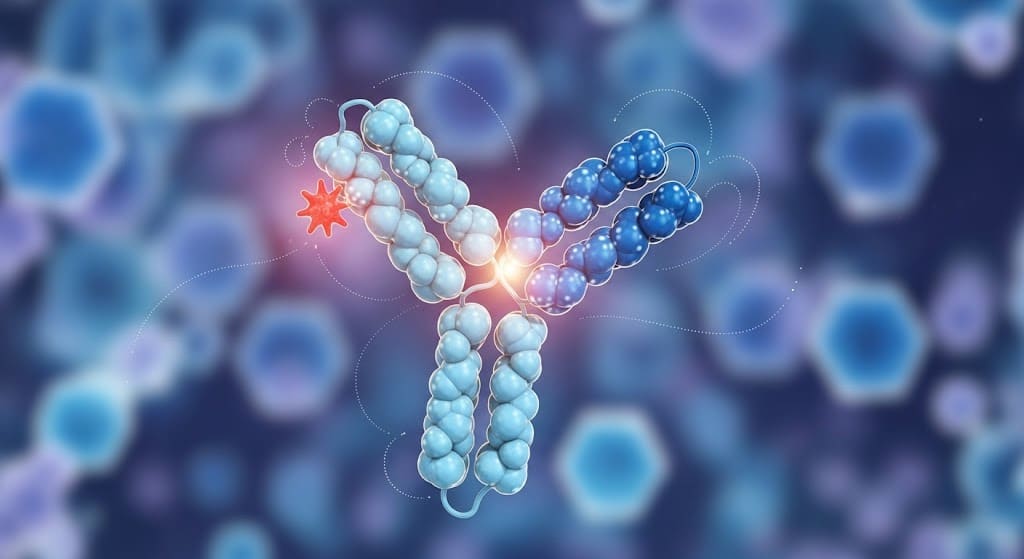
Today, monoclonal antibodies (mAbs) have grown as the most precise and powerful therapeutic agents available. mAbs are making headlines—and saving the lives of people from -
cancer, autoimmune diseases, or infectious pathogens.
However, what exactly are these molecules? How do they work? And why are they so effective?
Let’s know its structure, function, and why monoclonal antibody (mAb) is known as the “guided missiles” of the immune system.
What Are Monoclonal Antibodies?
Antibodies are proteins naturally produced by the immune system. They work to identify and neutralize foreign invaders like -
- Bacteria,
- Viruses, and
- Toxins.
Each antibody is designed to recognize a specific target, known as an antigen.
Monoclonal antibodies are lab-made versions of these immune defenders. The term “monoclonal” means they are clones. Also known as identical copies of a single antibody designed to bind to a specific antigen.
Monoclonal antibodies are highly specific and uniform, which makes them ideal for targeted therapies.
Structure: A Y-Shaped Masterpiece
If you want to know how mAbs work, you need to explore their structure. Think about a Y-shaped molecule. That’s your antibody.
1. Heavy Chains & Light Chains
Each antibody is composed of four protein chains:
- Two heavy chains
- Two light chains
These chains are held together by disulfide bonds. They then form the characteristic Y-shape.
2. Variable Region (Fab) – The “Lock” for the Antigen Key
You'll find the variable regions at the tips of the Y. These areas differ from one antibody to another. They are responsible for binding to the antigen. Think of it like a lock that only fits a specific key.
The variable region is what makes mAbs so specific. Even a tiny change in the antigen’s structure can prevent binding. It can happen even if you are using the wrong key.
3. Constant Region (Fc) – The Immune Recruiter
The stem of the Y is the constant region, or Fc region. That part doesn’t bind antigens. However, it is crucial for triggering the immune response.
Once the antibody attaches to its target, the Fc region communicates with other immune cells like -
- macrophages and
- natural killer cells
These can destroy or remove the marked invader.
Function: How Monoclonal Antibodies Work?
Now that we know the structure, how do mAbs actually perform their magic in the body?
1. Target Binding
The variable region of a monoclonal antibody binds with high specificity to a particular antigen. These include protein on the surface of cancer cells, like those targeted by a pS6K antibody, or a spike protein on a virus.
2. Neutralization
Once bound, the antibody may block the pathogen’s ability to function.
For example, it can prevent a virus from entering human cells or stop a cancer cell from receiving growth signals.
3. Immune Activation
The Fc region then hires immune system soldiers to attack. It can:
- Attract special cells known as macrophages. These "eat" and break down the target.
- Activate proteins. They punch holes in the target cell. After that, make it burst.
- Signal killer T cells to destroy the target by attacking it directly.
4. Delivery Systems
In some treatments, mAbs are linked to -
- drugs,
- toxins, or
- radioactive substances.
These are known as antibody-drug conjugates (ADCs). The antibody delivers the lethal cargo directly to diseased cells. It reduces the damage to healthy tissue.
How Are Monoclonal Antibodies Made?
When it comes to producing mAbs, it’s about using some biotech wizardry. The most traditional method uses hybridoma technology:
- A mouse is immunized with an antigen.
- Its spleen cells are fused with immortal myeloma cells.
- The fusion creates hybridomas—cells. These endlessly produce identical antibodies.
The best hybridoma is chosen and cultured. Those are then used to produce mAbs in large quantities.
Finally
Monoclonal antibodies are the ultimate blend of nature’s design and human innovation. Their precise structure is crafted to match a specific antigen.
And their powerful immune-activating function makes them a cornerstone of targeted medicine.
If you're a researcher or just a curious reader, knowing how these Y-shaped marvels work. It provides you with a glimpse into the future of medicine. The one that's more targeted, less toxic, and incredibly smart.
About the Creator
Mia Bella
A beauty enthusiast and expert, Mia Bella is dedicated to sharing the latest trends, tips, and product reviews. With a passion for skincare and makeup, she empower others to enhance their natural beauty and confidence.
The Sky Adorned with Stars: Nature’s Most Beautiful Crown
On a clear night, when the lights of cities fade and the air grows still, the sky reveals one of nature’s most breathtaking sights — a vast canvas filled with shining stars. The phrase “the sky adorned with stars” perfectly captures the beauty of this moment, as if the heavens themselves are wearing a glittering crown. For thousands of years, humans have gazed upward in awe, wondering about the countless lights scattered across the darkness.
By Irshad Abbasi 4 days ago in Earth


Comments