
The song of the forest
The imperative of environment sustainability

The Song of the Forest
Once upon a time, in a vibrant and enchanting land, there existed a vast forest teeming with life. Towering trees reached for the heavens, their branches intertwined like a tapestry, sheltering countless creatures beneath their protective canopy. The forest was a symphony of colors and melodies, where the rustling leaves whispered secrets, and the gentle breeze carried the sweet fragrance of flowers.
At the heart of this magical realm, a magnificent oak tree stood tall, its trunk sturdy and weathered by time. It was the guardian of the forest, an ancient soul who had witnessed the ebb and flow of generations. The oak possessed wisdom that surpassed the ages, its roots deeply embedded in the earth, connecting to the past and nourishing the present.
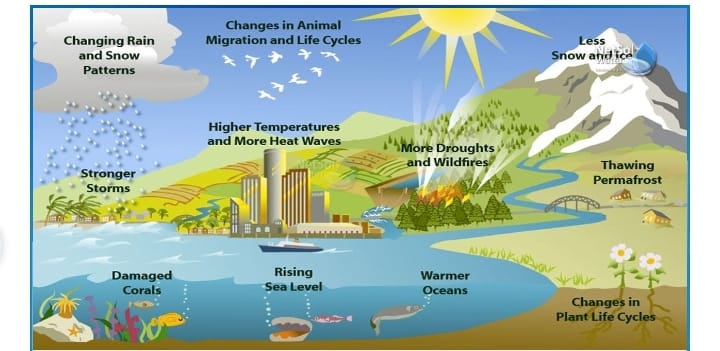
The forest was in perfect harmony until a darkness crept upon the land—a darkness born of indifference and neglect. The once-clear rivers became choked with pollution, their vibrant waters turning murky and lifeless. The air that once carried the melodies of birds and insects now bore the acrid scent of smoke and exhaust. The balance of nature was disrupted, and the forest's inhabitants trembled with fear and despair.
The oak tree wept silent tears as it watched its beloved domain crumble. It mourned the loss of its animal companions, their homes destroyed, their songs silenced. The once-verdant foliage withered and browned under the relentless heat, and the once-abundant rainfall became a distant memory.
In the face of such devastation, a young girl named Luna, filled with empathy and a deep connection to nature, set out on a quest to restore the forest's lost harmony. Armed with determination and a pure heart, she ventured into the decaying wilderness, guided by a flickering beacon of hope.
Luna traveled through desolate landscapes, witnessing the scars of human activity etched upon the earth. She encountered weary animals, their eyes reflecting sorrow and longing for a better world. The girl's heart ached, but she refused to succumb to despair. Instead, she listened to their silent pleas and promised to be their voice.
In her journey, Luna encountered a group of activists who shared her vision—a diverse coalition of people united in their love for the environment. Together, they rallied communities, organizing tree-planting initiatives, educating the masses, and urging policymakers to act in the best interest of the planet. Their collective voices echoed like a rallying cry, resounding through the air and stirring the spirits of those who had forgotten the forest's true worth.
Inspired by their determination, Luna's message spread like wildfire, igniting hearts and sparking change. Slowly but surely, the forest began to heal. Streams once choked with pollution began to run clear again, and the air became sweet with the fragrance of blossoms. The animals that had retreated to the shadows emerged, their spirits renewed as they found solace in a home that was once again thriving.
The oak tree stood tall, its branches quivering with newfound life. It rejoiced as the harmony of the forest was restored, each element finding its rightful place once more. The once-silent symphony of the land resumed, birds chirping in delight, insects humming their joyous melodies, and the wind rustling through leaves like a tender lullaby.
And so, the tale of Luna and the forest serves as a reminder—a reminder that our planet's well-being rests in our hands. We are the guardians, the stewards of this fragile world. It is through our collective actions, both big and small, that we can create a future where the earth flourishes and thrives.
Advantages of Environment Sustainability

Environment sustainability a crucial concept that promotes responsible and balanced practices to ensure the long-term well-being of our planet. By adopting sustainable measures, we can create a multitude of benefits for both current and future generations. Here are some of the advantages of embracing environmental sustainability:
Preservation of Natural Resources: Sustainability focuses on conserving finite resources such as water, forests, and minerals. By using these resources efficiently and responsibly, we can prevent their depletion and ensure their availability for future generations.

Mitigation of Climate Change: Sustainable practices aim to reduce greenhouse gas emissions and combat climate change. By transitioning to renewable energy sources, promoting energy efficiency, and adopting sustainable transportation, we can minimize our carbon footprint and mitigate the adverse effects of climate change.
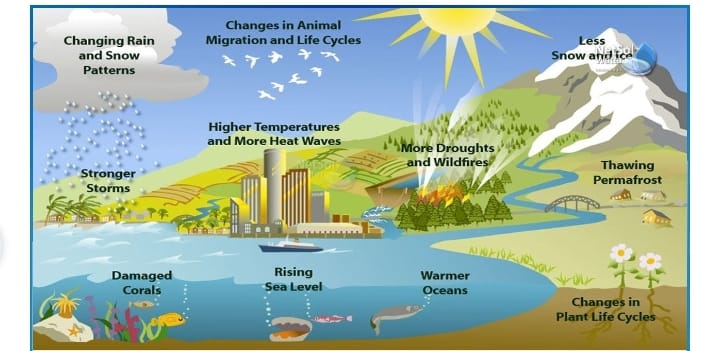
Protection of Biodiversity: Sustainable practices help protect and preserve biodiversity. By conserving habitats, promoting sustainable agriculture, and reducing pollution, we can safeguard the delicate balance of ecosystems and prevent the extinction of plant and animal species.

Economic Benefits: Environmentally sustainable practices can lead to economic growth and stability. Investments in renewable energy industries create jobs and stimulate innovation, while sustainable agriculture practices can improve food security and enhance rural economies.


Health and Well-being: Sustainable practices promote clean air, safe drinking water, and healthy environments. By reducing pollution and exposure to harmful substances, we can improve public health, reduce the prevalence of diseases, and enhance overall well-being.

Resilience and Adaptation: Embracing sustainability makes communities more resilient to environmental challenges. By implementing measures such as water conservation, disaster preparedness, and sustainable urban planning, we can adapt to changing environmental conditions and mitigate the impact of natural disasters.

Enhanced Quality of Life: Access to green spaces, clean air, and sustainable modes of transportation improve physical and mental well-being. Additionally, sustainable practices promote social equity, fostering inclusive and thriving communities.



Reputation and Brand Value: Organizations and businesses that prioritize environmental sustainability gain a positive reputation and increased brand value. Consumers are increasingly choosing eco-friendly products and supporting sustainable companies, leading to long-term business growth and customer loyalty.

In conclusion, embracing environmental sustainability is not just an ethical responsibility; it offers numerous advantages for the planet and its inhabitants. By adopting sustainable practices, we can preserve natural resources, combat climate change, protect biodiversity, and enhance economic prosperity, health, and overall well-being. It is imperative that individuals, communities, and businesses join hands to create a sustainable future for generations to come
Mayeearnsourageringoo
About the Creator
Keep reading
More stories from Omohoro Akeke and writers in Earth and other communities.
Green Horizon
In a world gripped by the shadows of environmental degradation, there existed a small town nestled amidst rolling hills and shimmering lakes. This town, called Green Horizons, was a beacon of hope in a world desperate for change. It stood as a testament to the power of community, resilience, and the unwavering spirit of those who believed in nurturing a sustainable future.
By Omohoro Akeke3 years ago in Earth
The Star That Keeps Dimming for No Known Reason
In 2015, astronomers analyzing data from NASA's Kepler Space Telescope discovered a star designated KIC 8462852, located about 1,470 light-years from Earth in the constellation Cygnus, that was exhibiting brightness fluctuations unlike anything that had been observed in over 150,000 stars surveyed by the Kepler mission, and the pattern of dimming was so unusual and irregular that it could not be explained by any known natural phenomena including planets orbiting the star, stellar pulsations, or dust clouds, leading some scientists to seriously propose that the dimming might be caused by artificial structures built by an advanced alien civilization, specifically something like a Dyson swarm of solar collectors orbiting the star to harvest its energy, though this explanation while exciting was considered a hypothesis of last resort only to be entertained after all natural explanations had been exhaustively ruled out. The star, which became known informally as Tabby's Star after astronomer Tabetha Boyajian who led the research team studying it, showed dimming events where its brightness dropped by up to 22 percent, far more than could be explained by a planet passing in front of it, which typically causes dimming of only a fraction of a percent, and the dimming events were irregular and aperiodic, meaning they did not repeat on any predictable schedule, and different dimming events had different characteristics with some showing gradual dimming over days and others showing more sudden brightness drops.
By The Curious Writerabout 5 hours ago in Earth



Comments (1)
Nice