
The Silent Hunters of the Bog: Discovering the Curious World of Sarracenia
When flowers stop being sweet—and start eating bugs instead.

Deep within the misty wetlands of North America, something extraordinary lurks—not an animal, but a plant. Towering with grace and silent patience, Sarracenia, or the North American pitcher plant, isn't your ordinary greenery. This carnivorous plant doesn’t just survive in nutrient-poor soil—it thrives by turning the tables and feasting on unsuspecting insects.
A Tricky Trap in a Trumpet
The beauty of Sarracenia lies in its unique structure. Shaped like a tubular pitcher, its leaves form a natural trap, inviting insects with sweet nectar. Once inside, slippery walls and downward-facing hairs make escape nearly impossible. Victims fall into a pool of digestive enzymes, becoming a nourishing meal for the clever plant.
Meet the Family
Sarracenia isn’t just one plant—it’s a genus with around 8 to 11 species, each boasting different colors, patterns, and sizes. From the striking red-veined Sarracenia leucophylla to the compact Sarracenia purpurea, these plants look like nature's sculptures. Some species even show off vibrant hues of green, purple, pink, and red, making them popular among carnivorous plant enthusiasts.
Built for the Bogs
These plants are specially adapted to live in wet, acidic bogs where other plants struggle to find nutrients. Their carnivorous habit evolved as a survival strategy, enabling them to get nitrogen and other essential nutrients directly from their prey instead of the soil.
Seasonal Performers
During spring and summer, Sarracenia plants are at their most active, growing new pitchers and luring in insects. In autumn, many species produce tall, umbrella-like flowers, adding more charm to their already stunning appearance. When winter arrives, the plants enter dormancy, resting until the warmer seasons return.
More Than Just Bug-Eaters
Besides their appetite for insects, Sarracenia also play an ecological role. They help control insect populations and provide shelter for certain small creatures, like spiders and frogs, that live in or around the pitchers. Some even share mutualistic relationships with mosquito larvae that live inside the pitcher and feed on decomposing prey without harming the plant.
Conservation Concerns
Sadly, Sarracenia faces threats in the wild. Habitat destruction, pollution, and illegal collection have led to a decline in natural populations. Conservation efforts are ongoing, including habitat restoration and the cultivation of these plants in botanical gardens and private collections.
A Fascination for Growers
Due to their unusual appearance and insect-eating habits, Sarracenia are a favorite among plant collectors. They’re often grown in terrariums or outdoor bog gardens, where they can be admired up close. Cultivars have been developed with even more dramatic colors and shapes, adding to their ornamental appeal.
More Fascinating Facts About Sarracenia
- It Has a One-Way Ticket System: Inside the pitcher, downward-pointing hairs act like biological spikes, guiding prey deeper while making escape nearly impossible. Once an insect slides in, it's all over.
- Some Species Can Trap Hundreds of Insects: A single large Sarracenia pitcher can catch dozens—sometimes hundreds—of flies, ants, and beetles throughout the season. It’s a natural pest control expert in disguise.
- It Hosts an Entire Mini-Ecosystem: Some Sarracenia purpurea pitchers collect rainwater and form micro-habitats. Inside, you might find mosquito larvae, mites, and even tiny frogs coexisting in the plant’s trap, feeding on each other and contributing to the nutrient cycle. The plant benefits from the breakdown of the prey within this miniature food web.
- It Changes Diet with the Season: During spring and early summer, Sarracenia targets flying insects like flies and moths. But as the season shifts and the air cools, it often catches crawling insects like ants and beetles. It’s a flexible predator, adapting to what’s most available.
- It Uses Light as a Lure: Some species of Sarracenia, like Sarracenia leucophylla, have translucent patches near the top of their pitcher hoods. These patches let light through, tricking insects into flying toward them as a false exit. Once the bug hits the wall, it tumbles back down—deeper into the trap.
- It's Protected in the Wild: Because of habitat loss and illegal collection, many species of Sarracenia are now protected. Bog ecosystems are fragile, and while these plants are tough in their own way, they need our help to survive.
Final Thought
Sarracenia reminds us that beauty and function can go hand in hand—even in the most unexpected ways. These silent hunters of the bog aren't just pretty plants; they’re a testament to nature’s adaptability and ingenuity. In a world where survival often demands creativity, Sarracenia thrives with elegance and a touch of menace.
If you've ever grown—or want to grow—your own carnivorous plant, share your thoughts or tips below. Let’s keep the conversation (and fascination) alive!
About the Creator
The timing of Earth's ice ages may be influenced by Mars.
According to recent calculations, Mars may influence the date of ice ages by helping to establish a 2.4 million-year rhythm in Earth's orbit. Recently, researchers investigated the possibility of a tiny planet leaving a discernible imprint in long-term climate records.
By Francis Dami5 days ago in Earth
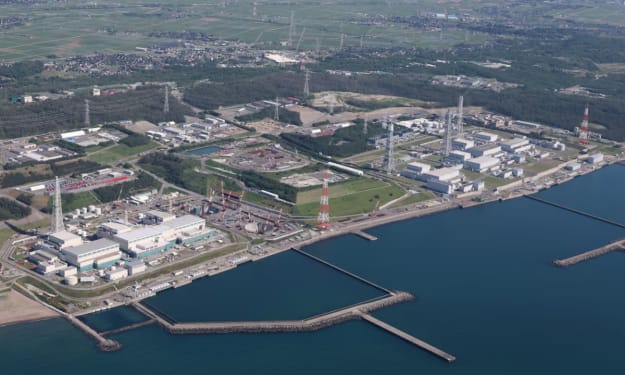
15 Years After Fukushima, Japan Prepares to Restart the World’s Biggest Nuclear Plant
Fifteen years after the catastrophic Fukushima disaster, Japan is preparing to restart the world’s largest nuclear power plant. The decision marks a significant turning point in the country’s energy policy, reflecting both the urgent need for stable energy sources and the ongoing concerns about safety, environmental impact, and public trust. The move underscores Japan’s complex relationship with nuclear energy—a technology that has fueled the nation’s economic growth but also caused one of the worst nuclear disasters in history. The Fukushima Legacy In March 2011, a massive earthquake and tsunami triggered a meltdown at the Fukushima Daiichi Nuclear Power Plant, releasing radioactive material and forcing the evacuation of tens of thousands of residents. The disaster exposed flaws in safety regulations and emergency preparedness, reshaping public perception of nuclear energy in Japan and around the world. Following the incident, Japan shut down nearly all its nuclear reactors, relying heavily on imported fossil fuels to meet energy demand. The decision led to increased energy costs and heightened greenhouse gas emissions, creating pressure to diversify energy sources. Why Japan is Restarting Nuclear Reactors The restart of nuclear plants, including the world’s largest facility, is driven by several factors: Energy Security: Japan imports over 90% of its energy needs. Restarting nuclear plants reduces dependence on foreign fossil fuels and helps stabilize electricity supply. Climate Goals: Nuclear power generates electricity with minimal carbon emissions. As Japan commits to reducing greenhouse gases, nuclear energy offers a low-carbon alternative to coal and natural gas. Economic Considerations: Importing fossil fuels is expensive. Nuclear energy provides a relatively cheaper source of electricity in the long term, helping households and industries manage costs. The government emphasizes that advanced safety measures and rigorous inspections are in place, aiming to restore public confidence and prevent another disaster. Safety Measures and Upgrades Since 2011, Japan has invested heavily in upgrading nuclear infrastructure. Lessons from Fukushima have led to stricter regulations and improved disaster preparedness: Reinforced Reactor Buildings: Structures are now designed to withstand larger earthquakes and tsunamis. Advanced Cooling Systems: Redundant and automated cooling systems reduce the risk of overheating. Emergency Response Planning: Local governments and plant operators coordinate evacuation drills and disaster simulations. Regulatory Oversight: Japan’s Nuclear Regulation Authority (NRA) conducts independent inspections to ensure compliance with safety standards. Despite these measures, skepticism remains. Many citizens fear that no system can fully eliminate the risks associated with nuclear power, especially given the unpredictable nature of natural disasters in Japan. Public Opinion and Controversy The decision to restart the world’s biggest nuclear plant has sparked debate across Japanese society. Supporters argue that nuclear energy is essential for economic stability, energy security, and climate goals. They point out that without nuclear power, Japan would struggle to meet rising electricity demand and climate commitments. Opponents, however, raise concerns about safety, environmental impact, and long-term waste management. Memories of Fukushima remain vivid, and surveys indicate that a significant portion of the population is uneasy about returning to nuclear energy. Local communities near nuclear plants have voiced particular concern, fearing potential accidents and contamination. Economic and Energy Implications Restarting nuclear plants could have broad economic benefits. Stable electricity supply reduces the risk of blackouts, supports industrial activity, and helps control electricity prices for households. From an energy policy perspective, nuclear power allows Japan to balance its energy mix more sustainably. It complements renewable sources like solar and wind, which can fluctuate depending on weather conditions. Nuclear plants provide a steady “baseload” supply that renewables alone cannot guarantee. However, challenges remain: the disposal of radioactive waste, decommissioning older plants, and ensuring consistent regulatory oversight are all long-term concerns that Japan must address to maintain credibility and safety. Global Perspective Japan’s decision is being watched closely worldwide. The Fukushima disaster reshaped global nuclear policy, leading countries like Germany to phase out nuclear energy while others, including China and South Korea, continue to invest in it. Restarting the world’s largest nuclear plant sends a signal about Japan’s commitment to energy self-sufficiency and low-carbon power. It also raises questions about how other nations handle the balance between energy security and safety, especially as climate change increases the urgency for reliable, low-emission energy sources. Lessons Learned Fifteen years after Fukushima, Japan’s experience provides key lessons for the global community: Preparedness is Crucial: Robust safety standards and disaster response systems are essential for operating nuclear plants in seismically active regions. Public Trust Matters: Long-term energy policy must consider public perception and involve communities in decision-making. Diversified Energy Strategy: Nuclear power should be part of a broader energy mix, complemented by renewables to reduce risk and emissions. Continuous Oversight: Independent regulatory bodies and transparent operations are critical for maintaining safety and credibility. These lessons are not only relevant for Japan but also for any country considering nuclear power as part of its energy transition strategy. Conclusion The restart of Japan’s largest nuclear plant, fifteen years after the Fukushima disaster, represents both hope and caution. It promises more stable energy, lower carbon emissions, and economic benefits. At the same time, it reminds the world of the inherent risks of nuclear power and the need for rigorous safety, transparent governance, and public engagement. Japan’s journey reflects a broader challenge faced by many nations: how to meet growing energy demand and climate goals while ensuring safety, sustainability, and public trust. The coming years will reveal whether this bold step strengthens Japan’s energy future or reignites debate over the role of nuclear power in a post-Fukushima era.
By Muhammad Hassanabout 17 hours ago in Earth



Comments
There are no comments for this story
Be the first to respond and start the conversation.