
The Science of Motivation: How Your Brain Drives Success
Motivation is the driving force behind every goal we set, the energy that propels us forward in the face of obstacles

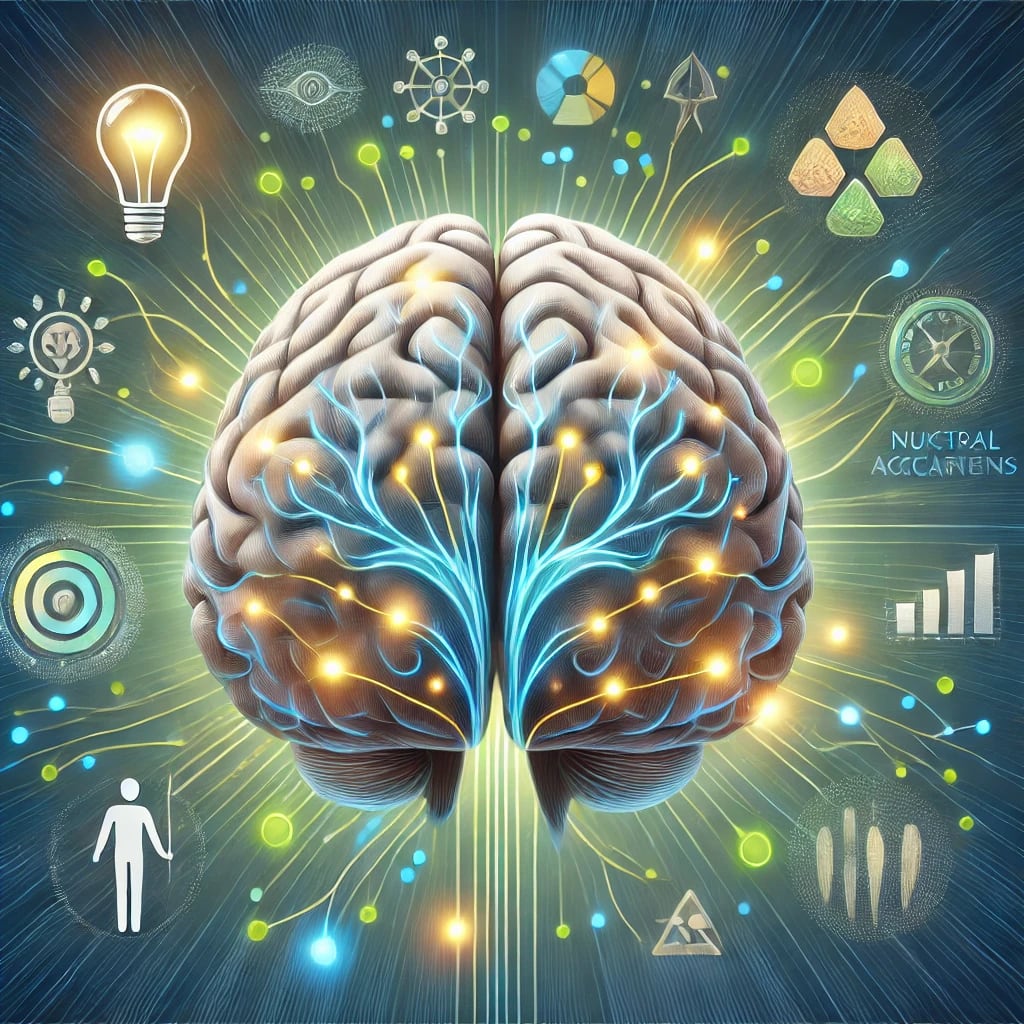
Motivation is the driving force behind every goal we set, the energy that propels us forward in the face of obstacles. But have you ever wondered how your brain fuels this powerful force? Understanding the science behind motivation can give you insights into how to optimize your efforts, increase productivity, and ultimately achieve success. In this article, we'll explore the intricate relationship between the brain and motivation, and how you can harness this knowledge for your personal and professional growth.
The Neurobiology of Motivation
Motivation, at its core, is a complex interplay of chemicals, neural circuits, and brain regions that influence our behavior. At the heart of this system is the brain's reward system, which is responsible for driving us to pursue goals and rewards. This system is regulated by neurotransmitters like dopamine, serotonin, and norepinephrine, each playing a unique role in motivation and mood regulation.
Dopamine is the most well-known neurotransmitter involved in motivation. Often called the “feel-good” chemical, dopamine is released when we anticipate a reward, such as when we achieve a goal or experience something pleasurable. This release of dopamine motivates us to keep going, pushing us to repeat behaviors that bring positive outcomes.
Serotonin, on the other hand, is linked to feelings of well-being and happiness. While not as directly involved in goal pursuit as dopamine, serotonin contributes to maintaining a positive mindset, which is crucial for staying motivated over time.
Finally, norepinephrine plays a role in arousal and alertness. It helps us focus on tasks by making us more attuned to our environment, allowing us to stay engaged in the pursuit of our goals.
Together, these chemicals form a motivational circuit that supports our ability to take action, focus, and stay engaged in tasks. Understanding this neurobiological process is the first step in unlocking the secrets of motivation.
The Brain's Reward System: How It Drives Us Forward
Our brain's reward system is a complex network of regions responsible for processing rewards and reinforcing behaviors that lead to positive outcomes. Key areas of the brain involved in motivation include the prefrontal cortex, the nucleus accumbens, and the ventral tegmental area (VTA).
The prefrontal cortex is responsible for decision-making, planning, and self-control. It helps us prioritize long-term rewards over short-term gratification, an essential aspect of sustained motivation. When we plan for future success, the prefrontal cortex activates, setting the stage for focused action.
The nucleus accumbens is often referred to as the brain's "pleasure center." It plays a significant role in processing rewards and reinforcing behaviors that lead to them. When we receive positive feedback or achieve a goal, the nucleus accumbens activates, releasing dopamine and reinforcing the behavior that leads to the reward.
The ventral tegmental area (VTA) is the source of dopamine release in the brain. It sends dopamine signals to the prefrontal cortex and nucleus accumbens, creating the feeling of motivation and reinforcing goal-directed behavior. When the VTA is active, we're more likely to feel excited and energized to pursue our goals.
By understanding how these brain regions work together, we can begin to appreciate the intricate mechanisms that drive us forward and help us achieve success.
The Power of Intrinsic vs. Extrinsic Motivation
Motivation can be broadly categorized into two types: intrinsic and extrinsic. Both types play essential roles in driving behavior, but they come from different sources.
Intrinsic motivation arises from within. It's the desire to engage in an activity because it’s inherently enjoyable or fulfilling. For example, you might write stories or engage in a hobby simply because you love doing it. Intrinsic motivation is often more sustainable and powerful because it is not reliant on external rewards.
Extrinsic motivation, on the other hand, comes from external sources, such as rewards, praise, or recognition. This type of motivation can be effective in the short term, especially for tasks that we might not find inherently enjoyable. For instance, a person might work overtime to earn a bonus or receive a promotion. While extrinsic motivation can drive immediate action, it is often less enduring than intrinsic motivation.
Research has shown that a balance of both types of motivation is key to achieving long-term success. Intrinsic motivation fosters a sense of fulfillment, while extrinsic motivation can provide the external validation necessary to keep moving forward.
Setting Goals: A Blueprint for Motivation
Setting clear, achievable goals is one of the most powerful ways to tap into your brain’s motivational power. When we set a goal, the brain immediately begins to chart a path toward achievement, activating the reward system. The process of working toward a goal, and the satisfaction of checking it off, triggers dopamine release, which keeps us motivated to continue.
Several strategies for goal-setting maximize motivation. The SMART framework (Specific, Measurable, Achievable, Relevant, Time-bound) is one of the most effective ways to ensure your goals are well-defined and attainable. By setting goals that are clear and measurable, you're more likely to stay on track and feel motivated to push through challenges.
Breaking larger goals into smaller, manageable tasks is another powerful strategy. This approach makes the goal less daunting and provides frequent opportunities to celebrate small victories, further reinforcing the reward system in your brain.
Overcoming Obstacles: The Role of Perseverance and Resilience
Motivation doesn’t always stay high, especially when obstacles arise. In times of difficulty, our brains may release higher levels of stress hormones, like cortisol, which can dampen motivation and focus. However, building resilience and practicing perseverance can help us push through these moments.
When we face challenges, our brains interpret these obstacles as a potential threat, activating the fight-or-flight response. But by practicing resilience, we can reframe these challenges as opportunities for growth. Developing a growth mindset—the belief that abilities and intelligence can be developed through effort—has been shown to enhance motivation during tough times.
Conclusion: Unlocking Your Motivation
The science of motivation offers a fascinating look into how our brain drives us to succeed. By understanding the neurobiology of motivation, the roles of intrinsic and extrinsic factors, and how our brain's reward system works, we can optimize our approach to goal-setting and perseverance.
Ultimately, motivation is not just about willpower; it’s about understanding how to tap into the brain’s powerful mechanisms that drive us forward. Whether you’re aiming for personal growth, professional success, or creative achievements, unlocking the science of motivation can help you harness your full potential and achieve your goals.
About the Creator
Pure Crown
I am a storyteller blending creativity with analytical thinking to craft compelling narratives. I write about personal development, motivation, science, and technology to inspire, educate, and entertain.
Keep reading
More stories from Pure Crown and writers in Earth and other communities.
Sustainable Living Practices: A Path Toward a Greener Future
Sustainable living is reducing one's environmental impact through mindful choices, resource conservation, and adopting eco-friendly habits. As concerns over climate change and resource depletion grow, sustainability has become an integral part of modern life. From energy conservation to waste management, individuals and communities are increasingly adopting practices that benefit the environment and promote healthier, more efficient lifestyles. This article explores key sustainable living practices that everyone can incorporate into their daily routines to contribute to a greener, more sustainable future.
By Pure Crownabout a year ago in Earth
Manaslu Circuit vs. Langtang Valley: Which Nepal Trek Is Right for You?
Nepal offers some of the most extraordinary trekking routes in the world. While many travelers focus on famous trails like Everest Base Camp or the Annapurna Circuit, other routes provide equally memorable experiences with fewer crowds.
By Alex Winslow3 days ago in Earth


Comments (1)
Nice work here ✍️♦️♦️♦️