
The Sanda Lizard: Ecology, Culture, and Conservation in South Asia
The Sanda Lizard: Ecology, Culture, and Conservation in South Asia
The Sanda Lizard: Ecology, Culture, and Conservation in South Asia
The sanda lizard, scientifically known as Saara hardwickii or Hardwicke’s spiny-tailed lizard, is a remarkable herbivorous reptile native to the arid landscapes of South Asia, particularly the Thar Desert, Kutch, and parts of Pakistan’s Sindh region. Locally called "sanda" or "sandho" in Bangladesh, India, and Pakistan, this burrow-dwelling creature has captured attention not only for its unique biology but also for its cultural, culinary, and medicinal significance. In recent years, the sanda has surged into the spotlight in Bangladesh due to viral social media trends, with memes and videos highlighting its consumption, particularly among expatriate workers in the Middle East. However, the species faces significant threats from poaching, illegal trade, and habitat loss, exacerbated by modernization and agricultural expansion. This article delves into the sanda lizard’s ecology, its role in South Asian culture, its consumption and trade dynamics, conservation challenges, and the broader regional context, including the impact of the India-Pakistan ceasefire of May 10, 2025, on trade routes that affect sanda-related markets.
1. Biology and Ecology of the Sanda Lizard
1.1 Taxonomy and Physical Characteristics
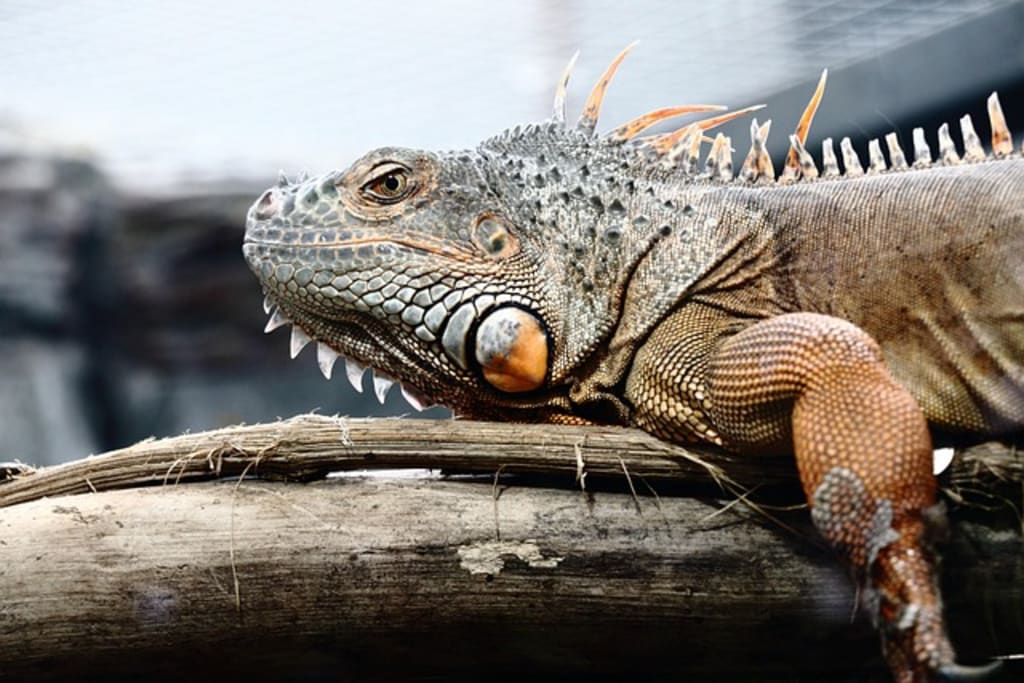
The sanda lizard belongs to the family Agamidae and the genus Saara, previously classified under Uromastyx until a 2009 taxonomic revision separated it due to distinct morphological traits. Named after English naturalist Thomas Hardwicke, Saara hardwickii is characterized by a flattened, robust body, a rounded head, and a distinctive tail covered in whorls of spiny scales. Males typically measure 40-49 cm in total length, while females are smaller, ranging from 34-40 cm. The lizard’s coloration varies seasonally, shifting from dull gray in cooler months to vibrant yellowish-brown or olive with black spots in warmer seasons, aiding thermoregulation.
The sanda’s tail, thick and spiked, stores fat reserves critical for surviving hibernation during winter months. This fat is the primary target for poachers, who extract it to produce "sanda oil," marketed as an aphrodisiac and remedy for ailments like joint pain and impotence. The lizard’s skin is wrinkled, and males exhibit pronounced femoral pores and longer tails compared to females, indicating sexual dimorphism.
1.2 Habitat and Distribution
Saara hardwickii thrives in arid and semi-arid regions, preferring firm, sandy, or gravelly plains over pure sand dunes. In India, it is primarily found in the Thar Desert (Rajasthan, Gujarat, Haryana), with significant populations in Jaisalmer, Barmer, and Churu districts. In Pakistan, it inhabits Sindh’s Kohistan region near Karachi and parts of Balochistan. The lizard favors elevated patches, such as "Bets" in Kutch, which remain above monsoon water levels. In Bangladesh, sanda populations are sparse, limited to arid pockets, and often confused with the Bengal monitor lizard (Varanus bengalensis).
Sanda lizards live in colonies but are solitary within their burrows, excavating sloping, zig-zagging tunnels 6-8 cm in diameter and over 2 meters long. Each burrow houses a single lizard, with hatchlings occasionally staying with their mother. The entrance is flush with the ground, and the lizard basks nearby, retreating at the slightest threat.
1.3 Diet and Behavior
Unlike most lizards, the sanda is predominantly herbivorous, feeding on flowers, fruits, and leaves of desert plants like kair (Capparis aphylla), khejri beans (Prosopis spicigera), and Salvadora persica fruit. During locust outbreaks, it opportunistically consumes nymphs and adults, supplementing its diet with protein. In summer, it forages in the morning, shifting to herbs and grasses during monsoons. Its teeth are adapted for a plant-based diet, lacking the grinding structures of typical herbivores, which makes its dietary specialization in sparse desert ecosystems remarkable.
The sanda is diurnal, spending days basking to regulate body temperature and retreating to burrows at sunset. It hibernates from late fall to spring, relying on fat reserves. Its alertness and agility make it a challenging prey for predators like laggar falcons (Falco jugger), tawny eagles (Aquila rapax), desert foxes, and snakes, which target its colonial burrows.
1.4 Reproduction
Sanda lizards are oviparous, breeding from June to September. Females lay 8-15 white, pigeon-sized eggs in burrows, with hatching occurring after 60-70 days. Sexual maturity is reached in 2-3 years, and the species’ reproductive cycle aligns with monsoon seasons, ensuring food availability for hatchlings.
2. Cultural Significance of the Sanda Lizard
2.1 Historical and Culinary Role
The sanda lizard has deep cultural roots in South Asia, particularly among desert communities. In India, certain Hindu castes in Rajasthan traditionally consumed sanda meat, described as white, chicken-like, and delicate, with the tail considered a delicacy. Loon Nath Jogi, a 70-year-old resident of Pokhran, Rajasthan, noted that sanda was a regular part of diets until hunting bans tightened over the past decade. In Pakistan, communities in Sindh and Punjab hunt sanda for its meat and fat, with vendors in Rawalpindi’s Raja Bazaar selling it as a stamina-boosting food.
In Bangladesh, sanda consumption is rare due to its limited distribution, but recent social media trends have spotlighted its culinary use among Bangladeshi expatriates in Saudi Arabia, where the related Arabian spiny-tailed lizard (Uromastyx aegyptia), known as "dabb," is a delicacy. Viral videos show workers preparing sanda biryani, sparking memes and debates about its taste and permissibility.
2.2 Religious and Medicinal Beliefs
In Islamic tradition, the sanda (or dabb) is considered halal by Shafi’i, Maliki, and Hambali scholars, as companions of the Prophet Muhammad consumed it, though he personally avoided it due to unfamiliarity. The Hanafi school, prevalent in Bangladesh, deems it makruh (discouraged but not forbidden), leading to mixed attitudes among Bangladeshi Muslims. In Judaism, the sanda is identified as the biblical "tzav," forbidden for consumption under Leviticus 11:29-30, reflecting its cultural significance across religions.
Medicinally, sanda oil, extracted from the tail fat, is a cornerstone of traditional healing in South Asia. Marketed as "sande ka tel" or "sanda tael," it is believed to cure impotence, joint pain, muscle aches, and even hair loss, though scientific evidence is scant. In Pakistan, vendors like Muhammad Nasir in Rawalpindi’s Raja Bazaar claim it enhances sexual performance, tapping into societal pressures around masculinity. In India, sanda oil is sold in Rajasthan and Gujarat, often by nomadic groups like the Bhil and Jogi, despite legal bans.
2.3 Social Media and Recent Trends
Since early 2025, the sanda lizard has trended on Bangladeshi social media, driven by videos of expatriates in Saudi Arabia preparing sanda dishes. These clips, often humorous, have fueled memes about its taste, with some comparing it to chicken and others joking about its supposed aphrodisiac properties. The trend has raised curiosity in Bangladesh, where sanda is not a common food, but also sparked debates about conservation, as the species is vulnerable. Posts on X reflect mixed sentiments, with some users praising its cultural value and others condemning overhunting.
3. Consumption Patterns and Illegal Trade
3.1 Consumption in South Asia
In India, sanda consumption is now limited due to legal protections under the Wildlife Protection Act, 1972 (Schedule I), but clandestine hunting persists in Rajasthan’s Jaisalmer, Barmer, and Jodhpur districts. Communities like the Bhil and Naik traditionally ate sanda, but many have shifted to agricultural labor. In Pakistan, consumption is more widespread, with sanda meat sold in markets and its oil peddled by street vendors and online platforms.
In Bangladesh, sanda is not a staple, but expatriate-driven trends suggest a growing interest, particularly among urban youth influenced by social media. The lizard’s lean, protein-rich meat appeals in regions where protein is scarce, and its cultural cachet in Middle Eastern cuisines adds allure.
3.2 Illegal Trade Dynamics
The illegal trade in sanda lizards is a major conservation concern. Poachers target the lizard’s fat-rich tail to produce sanda oil, sold as an aphrodisiac across South Asia and internationally. A 2024 study analyzing 127 YouTube videos and 4,608 comments revealed a sophisticated trade network, primarily based in Pakistan, with international shipping to countries like Bangladesh, India, the U.S., Canada, and the UAE. Channels like “Yaseen Super Power Tilla Center” showcase live dissections to prove authenticity, attracting buyers with claims of curing sexual dysfunction.
In India, Rajasthan’s Ramdevra, Bap, and Diyatra are poaching hubs, with nomadic groups exploiting lax enforcement. Seizures of live and dead lizards have been reported in Bangalore and Mumbai, indicating demand beyond the species’ range. The trade violates India’s Wildlife Protection Act (Schedule I, 2022 amendment) and Pakistan’s wildlife laws, with penalties including 3-7 years imprisonment or fines up to Rs. 45,000. However, enforcement is weak due to lack of witnesses and evidence.
3.3 Online Trade and Social Media
YouTube and Facebook have become key platforms for sanda oil sales, with vendors offering home delivery for as little as Rs. 749 in Pakistan. Geotagged comments reveal trade routes from Pakistan to Bangladesh, India, and Middle Eastern countries. The trade exploits cultural beliefs and societal pressures around male performance, with marketing emphasizing phallic imagery and “miracle” cures. This digital marketplace has globalized the trade, threatening sanda populations further.
4. Conservation Challenges
4.1 Population Decline
The sanda lizard is classified as “Vulnerable” by the IUCN Red List, with populations declining over 20% due to poaching and habitat loss. In India, it is locally extinct in Uttar Pradesh and declining in Madhya Pradesh, with viable populations restricted to Rajasthan and Gujarat. In Pakistan, overhunting in Sindh and Balochistan threatens its survival. In Bangladesh, sparse populations face similar pressures from habitat degradation.
4.2 Poaching Techniques
Poachers exploit sanda’s burrowing habits, inspecting burrows during monsoons when moist soil is easier to dig. Traps are set at burrow entrances, and captured lizards are paralyzed by breaking their spines, a cruel practice that prevents escape. In Rajasthan, 8-10 poaching cases are reported monthly during peak seasons, with seizures like the 38 half-dead lizards in Jaisalmer’s Desert National Park in 2014 highlighting the scale.
4.3 Habitat Loss
Agricultural expansion, urbanization, and renewable energy projects in Rajasthan’s grasslands, often deemed “wastelands,” destroy sanda habitats. Canal irrigation and afforestation alter the arid ecosystems the lizard depends on, reducing burrow sites and food sources. Projected agricultural growth could further decimate populations by 20% in the coming decades.
4.4 Conservation Efforts
Conservation initiatives include stricter enforcement under India’s Wildlife Protection Act and Pakistan’s Wildlife and Biodiversity Act, 2015. Wildlife conservators like Radheshyam Bishnoi in Rajasthan patrol poaching hotspots, apprehending offenders. Organizations like TRAFFIC and WWF-India raise awareness through factsheets, targeting enforcement agencies and the public. However, challenges persist due to cultural acceptance of sanda consumption and weak legal accountability.
5. Impact of the India-Pakistan Ceasefire
The India-Pakistan ceasefire of May 10, 2025, following intense fighting in Kashmir, has indirect implications for sanda-related markets. The ceasefire, brokered by the U.S., stabilized trade routes through Punjab and Rajasthan, critical for Bangladesh’s agricultural imports, including poultry feed and veterinary supplies. This stability could extend to niche markets like sanda oil and meat, as Bangladesh imports such products via India from Pakistan-based vendors.
Trade Benefits: Reopened airports and markets lower transport costs, potentially reducing sanda oil prices (currently Rs. 600-1,200 in Pakistan). Stable routes also facilitate cultural exchanges, amplifying trends like sanda consumption among Bangladeshi expatriates.
Conservation Risks: Increased trade could exacerbate illegal sanda trafficking, as demand rises with easier access. Enhanced border vigilance post-ceasefire may improve wildlife enforcement, but only if prioritized.
Agricultural Context: For Bangladesh’s poultry sector, the ceasefire lowers feed costs (e.g., ~11,250 BDT for 100 Tiger chicks), freeing resources for farmers to explore niche markets like sanda, though this risks further ecological strain.
The ceasefire’s economic optimism, with India projecting a 5% trade increase and Pakistan redirecting $1.2 billion to agriculture, underscores the need for sustainable practices to protect species like the sanda.
6. Socioeconomic and Ecological Implications
6.1 Socioeconomic Dynamics
The sanda trade provides livelihoods for marginalized communities, such as Rajasthan’s nomadic groups and Pakistan’s street vendors, who cite poverty as a driver. Vendors like Yasir Ali in Rawalpindi argue that sanda oil sales are their only income source, highlighting the tension between survival and conservation. In Bangladesh, the social media trend could spur entrepreneurial interest, but without regulation, it risks fueling illegal imports.
6.2 Ecological Role
As a prey species for raptors, desert foxes, and snakes, the sanda is integral to desert food chains. Its herbivorous diet helps control vegetation, maintaining ecosystem balance. Declining populations could disrupt predator-prey dynamics, affecting biodiversity in the Thar Desert and beyond.
7. Future Prospects and Recommendations
7.1 Conservation Strategies
Strengthen Enforcement: Increase patrols in poaching hubs like Jaisalmer and Sindh, with harsher penalties and better evidence collection.
Public Awareness: Expand campaigns to debunk myths about sanda oil’s benefits, targeting rural and online audiences.
Habitat Protection: Designate sanda habitats as protected areas, limiting agricultural and infrastructure projects.
Alternative Livelihoods: Provide vocational training for communities reliant on sanda trade, reducing poaching incentives.
7.2 Research Needs
Further studies on sanda population dynamics, trade volumes, and ecological impacts are crucial. Research into sustainable harvesting or synthetic alternatives to sanda oil could balance cultural practices with conservation.
7.3 Regional Cooperation
The India-Pakistan ceasefire offers a window for cross-border collaboration on wildlife protection. Joint initiatives to monitor sanda trafficking and share conservation strategies could leverage the truce’s stability, benefiting Bangladesh’s import-dependent markets.
8. Conclusion
The sanda lizard is more than a desert reptile; it is a cultural icon, a culinary curiosity, and an ecological keystone facing existential threats. Its significance spans traditional diets, medicinal lore, and modern social media trends, particularly in Bangladesh, where expatriate-driven memes have brought it to the fore. However, poaching, illegal trade, and habitat loss endanger its survival, necessitating urgent conservation action. The India-Pakistan ceasefire of May 2025 indirectly supports Bangladesh’s agricultural and niche markets, including sanda-related trade, but also risks amplifying illegal activities without robust enforcement. By balancing cultural heritage with ecological imperatives, South Asia can ensure the sanda lizard thrives for generations, enriching both its deserts and its diverse societies.
About the Creator
MD EMRUL KAYES
anything
Keep reading
More stories from MD EMRUL KAYES and writers in Earth and other communities.
India-Pakistan Ceasefire: A Fragile Truce Amidst Tensions
India-Pakistan Ceasefire: A Fragile Truce Amidst Tensions On May 10, 2025, India and Pakistan agreed to a U.S.-brokered ceasefire, halting four days of intense cross-border hostilities along the Line of Control (LoC) in Kashmir, marking the most severe conflict between the nuclear-armed neighbors since the 1971 war. This article explores the ceasefire’s origins, diplomatic efforts, challenges, regional implications, and its potential impact on agriculture, including poultry farming in neighboring Bangladesh.
By MD EMRUL KAYES10 months ago in Earth
Gothic Gardening: Embracing Drama with Dark Foliage and Flowers
There is a garden aesthetic that rejects the bright and cheerful in favor of the mysterious and dramatic. It embraces shadows rather than sunlight, depth rather than dazzle. It finds beauty in darkness—in leaves the color of aged wine, in flowers so deep purple they appear black, in forms that suggest ancient forests and moonlit mysteries.
By Emma Wallace3 days ago in Earth



Comments
There are no comments for this story
Be the first to respond and start the conversation.