
The role of youth and women in shaping the outcome of the Liberia election.
Empowering Voices for Change

The upcoming Liberia election holds significant potential for the nation's democratic development, and the participation of youth and women is crucial in shaping its outcome. In recent years, there has been a growing recognition of the essential role that these two groups play in political processes and decision-making. This article explores the role of youth and women in the Liberia election, highlighting their influence, challenges they face, and the importance of their active engagement in shaping the country's future.
Empowering Youth: The Voice of Tomorrow
The youth population in Liberia represents a significant demographic, comprising a substantial portion of eligible voters. They bring fresh perspectives, innovative ideas, and a desire for change. Engaging youth in the election process fosters a sense of ownership, empowerment, and active citizenship. Their participation can drive political discourse, challenge the status quo, and push for policies that address the needs and aspirations of their generation. Investing in youth education, leadership development, and promoting youth-led initiatives are essential steps towards harnessing their full potential.
Overcoming Challenges: Youth Representation and Political Access
Despite the enthusiasm and potential of young people, they face several challenges in participating effectively in the Liberia election. Limited access to resources, including finances, networks, and political platforms, hinders their ability to engage in campaigns and run for office. Additionally, social and cultural barriers, including age-based discrimination and skepticism towards youthful leadership, can undermine their credibility. Addressing these challenges requires creating an enabling environment that supports youth participation, including mentorship programs, political training, and affirmative action policies to increase youth representation in political institutions.
Women's Empowerment: Breaking Barriers, Creating Change
The role of women in shaping the outcome of the Liberia election is equally crucial. Women make up half of the population and bring unique perspectives and experiences to the political landscape. However, they have historically faced significant barriers to political participation, including patriarchal norms, cultural biases, and limited access to resources and decision-making spaces. Empowering women in the election process involves promoting gender equality, creating inclusive political environments, and implementing affirmative action measures to increase women's representation in electoral positions.
Leadership and Policy Priorities: Youth and Women Voices
Youth and women bring distinct policy priorities and perspectives to the Liberia election. Young people often emphasize issues such as education, employment opportunities, and technological innovation. They advocate for policies that promote youth entrepreneurship, skills development, and civic engagement. On the other hand, women prioritize gender equality, healthcare, education, and social welfare. Their agenda includes addressing gender-based violence, promoting women's economic empowerment, and ensuring equal representation in decision-making processes. Incorporating these voices and policy priorities into the political discourse enhances democratic governance and leads to more inclusive and responsive policies.
Promoting Engagement and Participation
To ensure meaningful youth and women engagement in the Liberia election, several steps need to be taken. This includes creating safe spaces for dialogue and consultation, increasing access to information and resources, and promoting voter education and civic awareness among these groups. Political parties and institutions should adopt inclusive policies and mechanisms that encourage youth and women's participation, including dedicated youth and women's wings within parties, quotas, and affirmative action measures. Strengthening partnerships with civil society organizations and international actors can also provide support and expertise in enhancing youth and women's involvement.
Conclusion:
The active participation of youth and women in the Liberia election is essential for a vibrant and inclusive democracy. Their voices bring diverse perspectives, innovative ideas, and a commitment to change. To harness their potential, it is crucial to address the barriers they face, provide support and resources, and create an enabling environment that values their contributions. By empowering youth and women in the political process, Liberia can ensure a more inclusive, representative, and effective governance system that reflects the aspirations and needs of all its citizens. On the other hand, The two favorites candidate to Govern Liberia, Joseph Nyumah Boakai (UP) and George Weah (CDC) are in a top race for the power. In the political landscape of Liberia, two prominent figures have emerged as influential leaders: Joseph Nyuma Boakai and George Weah. Both individuals have made significant contributions to the country's development and have garnered support from different segments of society. This article aims to provide a brief comparison of these two politicians, highlighting their backgrounds, achievements, and political ideologies.
Joseph Nyuma Boakai, a seasoned politician and former vice president of Liberia, brings a wealth of experience to the table. With a background in agriculture and economics, Boakai served as a senator and minister of agriculture before assuming the vice presidency under President Ellen Johnson Sirleaf. Throughout his career, Boakai has focused on agricultural development, advocating for policies that promote food security, rural development, and job creation. He is known for his calm demeanor, diplomatic approach, and commitment to public service. Boakai's political ideology leans towards a more progressive and pragmatic vision for Liberia, emphasizing inclusive governance, economic stability, and social welfare.
On the other hand, George Weah, a former professional football player and the current president of Liberia, rose to prominence through his successful football career. Known as one of Africa's greatest football stars, Weah's popularity and charisma have resonated with many Liberians. Weah's political journey began in 2005 when he ran for the presidency but lost to Ellen Johnson Sirleaf. However, he persevered and eventually secured the presidency in the 2017 elections. Weah's political ideology revolves around populism, emphasizing the need for grassroots empowerment, poverty alleviation, and infrastructural development. He has prioritized education, healthcare, and job creation as key areas for national progress. Weah's leadership style is characterized by his connection with ordinary citizens, which has helped him cultivate a strong support base.
While both Boakai and Weah have made significant contributions to Liberia, their approaches to governance and policy differ. Boakai's experience and expertise in economics and agriculture provide him with a deeper understanding of the intricacies of development and the challenges facing the country. He emphasizes the importance of good governance, institutional reform, and sustainable economic growth. Weah, on the other hand, capitalizes on his popularity and sports background to connect with the masses and address their immediate needs. His focus on poverty alleviation and infrastructural development resonates with those who seek tangible improvements in their daily lives.
It is worth noting that both politicians face challenges in implementing their agendas. Boakai's more pragmatic and progressive approach requires navigating bureaucratic hurdles, fostering consensus among different stakeholders, and building sustainable institutions. Weah, on the other hand, faces the task of translating his promises into tangible outcomes and ensuring the efficient utilization of resources. Additionally, both leaders must address long-standing issues such as corruption, inequality, and the diversification of the economy to ensure Liberia's sustained progress.
In conclusion, Joseph Nyuma Boakai and George Weah represent two distinct paths for Liberia's political future. Boakai brings extensive experience, emphasizing progressive policies and inclusive governance, while Weah's popularity and charisma have allowed him to connect with the masses and address immediate needs. Ultimately, the success of their leadership will depend on their ability to navigate challenges, engage with citizens, and implement effective policies that foster sustainable development and improve the lives of all Liberians
About the Creator
Keep reading
More stories from Ebenezer Shine Saah and writers in Earth and other communities.
Plastic Pollution and its Impact on Oceans
Plastic pollution has emerged as one of the most pressing environmental challenges of our time, with its detrimental effects reaching far and wide, particularly in our oceans. The widespread use of single-use plastics, the prevalence of microplastics, and improper waste disposal practices have led to devastating consequences for marine life, ecosystems, and human health. Urgent action is required to reduce plastic consumption, promote recycling, and support initiatives that aim to clean up and prevent plastic pollution in our oceans.
By Ebenezer Shine Saah3 years ago in Earth
UK Among 10 Countries to Build 100GW Wind Power Grid in North Sea
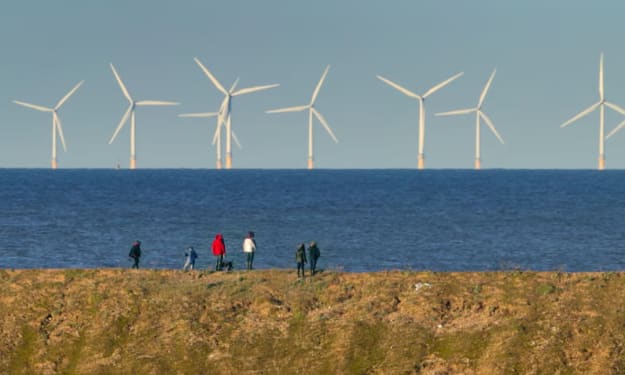
The United Kingdom has joined forces with nine other European countries to create a massive offshore wind power grid in the North Sea, aiming to generate 100 gigawatts (GW) of renewable electricity. This ambitious initiative, one of the largest international energy projects in recent history, reflects Europe’s growing commitment to sustainable energy and the transition away from fossil fuels.
By Aarif Lasharia day ago in Earth
Seattle Nightlife Report: Pony
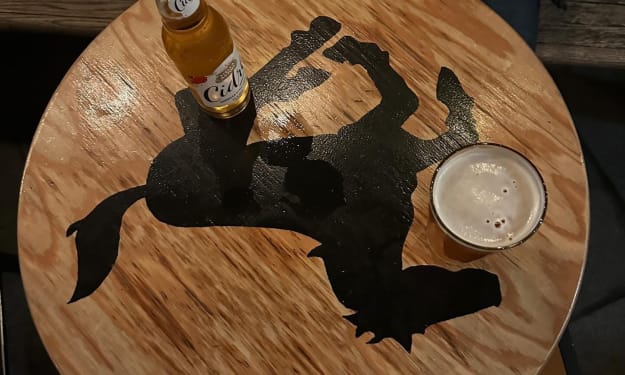
Mid-winter Friday night. Early but already so dark. The days are getting longer but 6 PM is still pitch black. “Firepit!” You declare things after just a few seconds of solemn thought – not a request or suggestion, not a demand. Last week you walked around saying, “Hot tub?” to anyone who would listen. Or one afternoon you pointed at two men holding hands as they crossed 12th Avenue, looked me in the eyes and said, “Boyfriends.”
By Joe Nasta | Seattle foodie poet5 days ago in Wander

Comments
There are no comments for this story
Be the first to respond and start the conversation.