
The Role of Technology in Environmental Conservation
Leveraging Innovation for a Sustainable Future: How Technology is Shaping Environmental Conservation

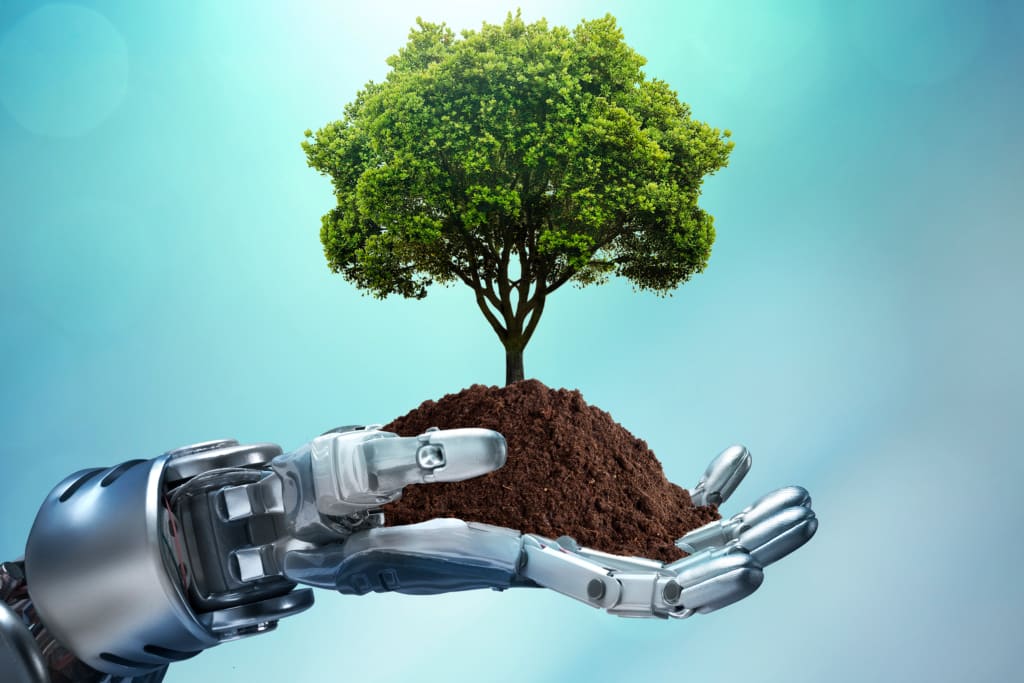
In recent years, technology has played a significant role in addressing various environmental challenges, offering innovative solutions to preserve and protect natural resources.
The growing concern about climate change, pollution, deforestation, and loss of biodiversity has sparked the need for cutting-edge technologies to mitigate environmental damage and promote sustainable practices. Technology is now considered one of the key drivers of environmental conservation, providing a broad range of tools and approaches that are transforming how we monitor, manage, and preserve our planet’s ecosystems.
One of the most important contributions of technology to environmental conservation is in the area of monitoring and data collection. Traditional methods of monitoring the environment, such as manual field surveys, are often time-consuming, labor-intensive, and prone to human error.
However, technological advancements have led to the development of sophisticated tools that enable real-time data collection and analysis. Satellite imagery, remote sensing technology, and drones are now used to gather crucial environmental data over vast areas, providing detailed insights into various ecological systems.
For example, satellites can monitor deforestation rates, track wildlife populations, and measure the health of coral reefs, allowing conservationists to detect problems early and take timely action.
In addition to data collection, technology has revolutionized the way environmental changes are analyzed. With the help of artificial intelligence (AI) and machine learning, large datasets can be processed and interpreted much more efficiently than ever before. These technologies can identify patterns and trends that would be difficult for humans to detect, allowing for more accurate predictions of environmental changes.
For instance, AI algorithms can analyze climate data to predict extreme weather events, helping communities to prepare and respond more effectively. Similarly, machine learning models can be used to assess the impact of human activities on ecosystems, such as the effects of pollution on water quality or the loss of biodiversity due to habitat destruction.
Technology is also playing a critical role in promoting sustainable resource management. In the field of agriculture, innovations like precision farming are helping to reduce the environmental impact of food production.
Precision farming involves the use of sensors, GPS technology, and data analytics to optimize the use of water, fertilizers, and pesticides. By carefully monitoring crop growth and soil conditions, farmers can apply inputs only when and where they are needed, minimizing waste and reducing environmental pollution. This approach not only increases the efficiency of agricultural practices but also helps to conserve valuable resources like water and soil.
Another area where technology is making a significant impact is in the field of renewable energy. The transition from fossil fuels to renewable sources of energy, such as solar, wind, and hydroelectric power, is essential for reducing greenhouse gas emissions and combating climate change.
Technological advancements in renewable energy systems have made these sources more affordable, efficient, and accessible. Solar panels, for example, have become much more cost-effective due to advances in photovoltaic technology, while wind turbines have become larger and more efficient, enabling them to generate more power from wind. Energy storage technologies, such as advanced batteries, have also improved, allowing excess energy from renewable sources to be stored and used when demand is high or when renewable energy generation is low.
Electric vehicles (EVs) are another technological innovation that is helping to reduce the environmental impact of transportation. By replacing conventional gasoline-powered vehicles with EVs, we can significantly lower carbon emissions, improve air quality, and reduce dependence on fossil fuels.
Advances in battery technology have increased the range and affordability of EVs, making them an increasingly attractive option for consumers. In addition, the development of charging infrastructure, such as fast-charging stations and wireless charging technologies, is making it easier for people to adopt electric vehicles and integrate them into their daily lives.
Waste management is another area where technology is having a profound impact. The growing amount of waste generated by human activities, particularly plastic waste, has become a major environmental issue. However, technological innovations are helping to address this problem in various ways.
For example, new recycling technologies are enabling more efficient sorting and processing of waste materials, turning what would otherwise be discarded into valuable resources. In addition, advances in biodegradable materials and alternative packaging solutions are helping to reduce the amount of plastic waste that ends up in landfills and the ocean.
Technologies like waste-to-energy systems are also being used to convert organic waste into renewable energy, further reducing the environmental impact of waste disposal.
Biodiversity conservation is another critical aspect of environmental conservation, and technology is helping to address the loss of species and habitats. Wildlife monitoring technologies, such as camera traps, GPS tracking devices, and acoustic sensors, allow researchers to track animal populations and study their behavior without disturbing them.
These technologies have been instrumental in monitoring endangered species and identifying critical habitats that need protection. In addition, AI and machine learning are being used to analyze data collected from these monitoring systems, helping to identify trends in species populations and the effectiveness of conservation efforts.
One of the more innovative technological approaches to environmental conservation is the use of biotechnology. In the field of genetics, scientists are exploring the possibility of using genetic engineering to enhance the resilience of endangered species, protect crops from pests and diseases, and restore ecosystems that have been damaged by human activity.
For example, genetic modifications could make crops more drought-resistant or help to restore coral reefs that have been damaged by climate change. While the use of biotechnology in conservation is still in its early stages, it holds great promise for the future of environmental protection.
Despite the many benefits that technology brings to environmental conservation, it is important to recognize that technology alone cannot solve all of the world’s environmental problems. While technological innovations can help to mitigate environmental damage and promote sustainability, they must be integrated into broader environmental policies and practices.
Furthermore, there are ethical considerations related to the use of certain technologies, such as genetic engineering or AI, that need to be carefully considered and regulated. Additionally, there is the challenge of ensuring that these technologies are accessible to all communities, particularly those in developing countries, where the need for sustainable solutions is often most urgent.
In conclusion, technology has proven to be a powerful ally in the fight for environmental conservation. From monitoring environmental changes and promoting sustainable resource management to advancing renewable energy and improving waste management, technology is helping to create a more sustainable future for our planet.
However, as we continue to develop and implement new technologies, it is essential that we do so in a responsible and ethical manner, ensuring that these innovations are used to benefit all people and the environment. The role of technology in environmental conservation will undoubtedly continue to grow, offering new possibilities for a greener, more sustainable world.
About the Creator
Nora Ariana
Empowering through stories and sound igniting purpose, sparking growth, and awakening the power within.
Keep reading
More stories from Nora Ariana and writers in Earth and other communities.
A goal is a dream with a deadline
A goal is a dream with a deadline. This powerful quote reminds us that without action, dreams remain just that wishes floating in our imagination. But when we set a timeline and commit to achieving them, they evolve into goals, bringing clarity, direction, and purpose. Many people go through life holding on to dreams, hoping they will come true someday. But someday is not a day on the calendar. Dreams without structure often fade with time or get buried under the weight of daily responsibilities. Turning a dream into a goal is what separates those who achieve from those who continue to wish.
By Nora ArianaExclusive • 11 months ago
How Does a Wildfire Sprinkler System Work to Protect Homes from Advancing Fires?
Wildfires have become an increasing concern in many regions where dry vegetation, strong winds, and high temperatures create conditions that allow fires to spread quickly. Homeowners in wildfire-prone areas are now turning to proactive protection systems designed to reduce risk and improve property resilience. Among these solutions, wildfire sprinkler systems are gaining attention for their ability to defend structures before flames reach them.
By Brandon Honeya day ago in Earth


Comments
There are no comments for this story
Be the first to respond and start the conversation.