
"The Role of Individuals in Addressing Global Warming: Small Actions, Big Impact"
Igniting Change Through Individual Actions: Unleashing the Power of Small Steps in the Fight Against Global Warming
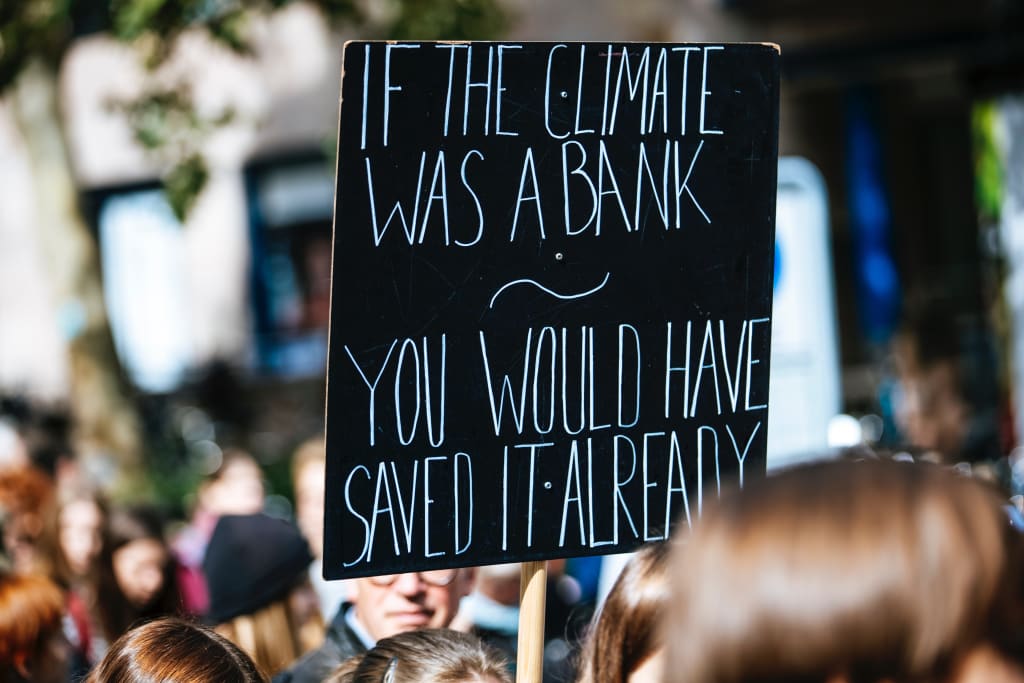
In a world grappling with the daunting challenge of global warming, it's easy to feel overwhelmed and insignificant in the face of such a colossal problem. However, it is precisely at the individual level where the seeds of change are sown. Each of us holds the power to make a difference, and through small yet impactful actions, we can collectively combat global warming and safeguard the future of our planet.
The Power of Conscious Consumption:
Every choice we make as consumers has environmental consequences. By embracing sustainable practices, such as buying locally sourced products, reducing plastic waste, and opting for energy-efficient appliances, we can significantly reduce our carbon footprint. These seemingly small actions ripple outward, inspiring others to follow suit and creating a demand for eco-friendly alternatives.
Embracing Renewable Energy:
Transitioning to renewable energy sources is crucial in curbing global warming. Individuals can take proactive steps by installing solar panels on their rooftops, participating in community renewable energy projects, or supporting businesses that prioritize clean energy. By doing so, we not only decrease our reliance on fossil fuels but also send a powerful message to policymakers and industries about the urgent need for sustainable energy solutions.
Sustainable Transportation Choices:
The way we move from one place to another plays a significant role in carbon emissions. By opting for greener transportation alternatives, such as walking, cycling, or using public transportation, we can reduce our carbon footprint. Additionally, embracing electric vehicles or carpooling with others can have a substantial positive impact. These individual choices, when multiplied across communities, can lead to a significant reduction in greenhouse gas emissions.
Minimizing Food Waste:
Food production and waste contribute significantly to global warming. As individuals, we can combat this by practicing mindful consumption, planning our meals, and composting organic waste. By wasting less food, we not only reduce methane emissions from landfills but also conserve the resources used in its production, such as water, energy, and land.
Spreading Awareness and Education:
One person's actions can inspire countless others. By actively engaging in conversations about global warming, sharing information, and promoting sustainable practices within our social circles, we become catalysts for change. Education is key, and as individuals, we have the power to raise awareness about the urgency of the climate crisis and encourage others to take action.
Supporting Environmental Initiatives:
Individuals can contribute to the fight against global warming by supporting and participating in environmental initiatives and organizations. This can involve volunteering for tree-planting projects, participating in beach clean-ups, or donating to organizations working on climate change solutions. Together, our collective efforts can have a profound impact on preserving ecosystems and mitigating the effects of global warming.
How Global Warming Control Can Lead Humanity from the Ashes of Climate Chaos to a New Era of Tranquillity
In a world riddled with conflicts and tensions, the prospect of global warming control holds the promise of not only environmental sustainability but also a more peaceful and harmonious future. As we take decisive action to mitigate climate change and reduce its impacts, we pave the way for a world where nations can come together, prioritize cooperation over competition, and work towards a common goal. Here, we explore how global warming control can lead to a more peaceful world.
Resource Stewardship and Equitable Distribution:
Global warming control necessitates a shift towards sustainable resource management. As nations collectively address climate change, the focus on conserving resources becomes paramount. With reduced reliance on fossil fuels, the potential for resource-driven conflicts diminishes. Instead, the emphasis shifts towards renewable energy sources and the equitable distribution of resources, fostering cooperation and reducing tensions between nations.
Climate Refugees and Humanitarian Considerations:
One of the consequences of unchecked global warming is the displacement of communities due to rising sea levels, extreme weather events, and ecological imbalances. By effectively controlling global warming, we mitigate the displacement of vulnerable populations, reducing the potential for refugee crises and the associated conflicts that arise from such situations. By addressing climate change, we uphold the dignity and well-being of all people, fostering empathy and understanding.
Collaborative Solutions and Diplomacy:
Addressing global warming requires international cooperation on an unprecedented scale. The urgency of the climate crisis pushes nations to set aside differences and work towards shared solutions. Through diplomatic efforts, multilateral agreements, and collaborative initiatives, countries can forge alliances, strengthen international relations, and build trust. The shared mission of controlling global warming becomes a unifying force, fostering dialogue and cooperation on a global scale.
Transcending Geopolitical Boundaries:
Global warming does not discriminate based on political borders. Its impact transcends nations and affects the entire planet. By acknowledging the interconnectedness of our world and the shared responsibility for its well-being, global warming control offers an opportunity to transcend geopolitical boundaries. It encourages nations to think beyond short-term interests and prioritize the long-term health and sustainability of the planet. In doing so, it lays the foundation for enhanced international relations and peaceful coexistence.
Environmental Justice and Conflict Prevention:
Global warming disproportionately affects vulnerable populations and regions. By addressing this injustice through effective climate action, we address the root causes of potential conflicts arising from environmental inequalities. By promoting environmental justice, ensuring fair access to resources, and empowering marginalized communities, we build resilience, reduce social tensions, and create conditions for long-term peace and stability.
Conclusion:
The control of global warming holds immense potential for a more peaceful world. By taking decisive action to mitigate climate change, we foster resource stewardship, reduce the likelihood of conflicts driven by scarcity, and prioritize humanitarian considerations. Through international cooperation, collaborative solutions, and an understanding of our shared responsibility, we can transcend geopolitical boundaries and work towards a future of peace, sustainability, and harmony. Let us embrace the opportunity before us and strive for a world where the well-being of our planet and its inhabitants takes precedence, paving the way for a brighter and more peaceful future for all.
While global warming may seem like an insurmountable challenge, the role of individuals in addressing this crisis should not be underestimated. Each small action we take to reduce our carbon footprint and promote sustainable practices contributes to a greater collective effort. By embracing conscious consumption, adopting renewable energy, making greener transportation choices, minimizing food waste, spreading awareness, and supporting environmental initiatives, we can pave the way for a more sustainable future. Remember, every action counts, and together, we can make a significant difference in combating global warming and protecting the planet for generations to come.
About the Creator
Keep reading
More stories from writers in Earth and other communities.
Our European Allies Just Exposed Trump’s Core Weakness—and Also America’s
Recent developments in Europe have cast a spotlight on both Donald Trump’s leadership weaknesses and broader American vulnerabilities in international relations. Allies across the continent have been taking steps that indirectly highlight limitations in U.S. policy, leaving Trump supporters, critics, and global observers questioning whether the United States is adequately positioned to lead on the world stage.
By Muhammad Hassan4 days ago in Earth
Dubai Food District Unveiled as DP World Expands Al Aweer Market
In a significant move that will shape the future of Dubai’s food industry, DP World has unveiled its latest project, the Dubai Food District, as part of an expansion of the Al Aweer Market. This new development is set to revolutionize the region’s food trade, offering state-of-the-art facilities designed to streamline the supply chain, foster innovation, and bolster Dubai’s position as a global hub for food trade. With the rise of global demand for fresh, high-quality food products, this ambitious expansion promises to elevate the UAE’s food sector and enhance the efficiency of food distribution across the region.
By Muhammad Hassan6 days ago in Earth
🅼🅸🅳🅽🅸🅶🅷🆃 🆂🅽🅰🅲🅺🆂
"It's 10 in Tuscon! We all know what that means... It's Time for Midnight Snacks with your man, Gerald Gee! Ready to spend the night together? Me too! I'm full of snacks and can't wait to regurgitate them all back into your hungry ears. Crack a brew! Pop some corn! Anything to get ready for one hell of a show where the talk maybe cheap but the words cut deep...
By Lamar Wiggins5 days ago in Fiction



Comments
There are no comments for this story
Be the first to respond and start the conversation.