
The Role of AI in Optimizing Solar Energy Production
AI in Solar Energy

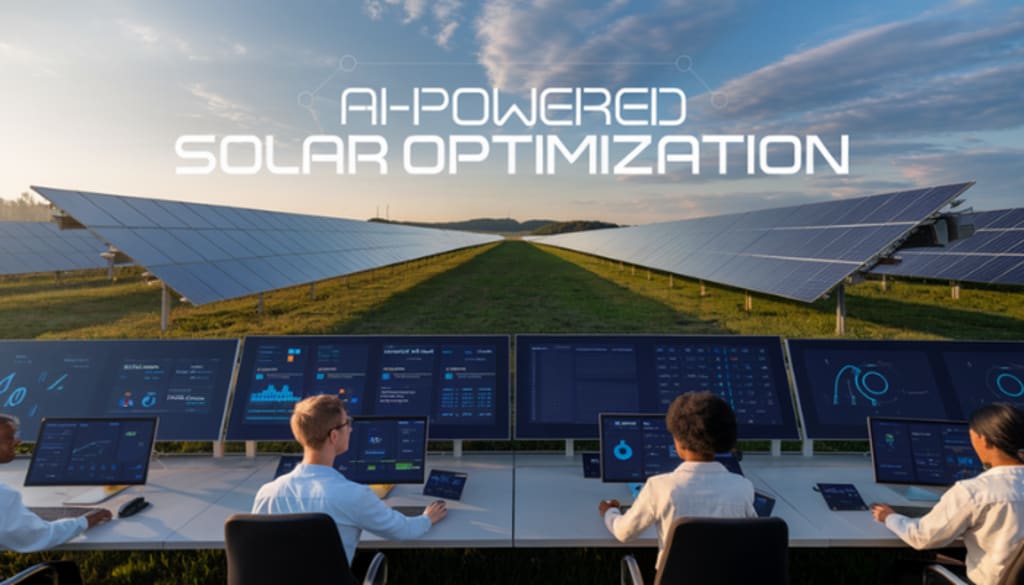
Picture a world where the sun's energy is harnessed with unprecedented efficiency, powering our homes, businesses, and cities with clean, renewable power. Now imagine that this solar revolution is being driven not just by human ingenuity, but by the relentless computational power of artificial intelligence.
This isn't science fiction—it's happening right now. Artificial Intelligence (AI) is revolutionizing the solar energy industry, optimizing everything from panel design to energy forecasting. But how exactly is AI transforming solar power production? And what does this mean for our sustainable future?
In this blog post, we'll dive deep into the fascinating intersection of AI and solar energy. We'll explore how AI is improving forecasting accuracy, enhancing panel design, streamlining maintenance, and boosting economic returns. By the end, you'll understand why AI isn't just a buzzword in the renewable energy sector—it's a game-changing force that's reshaping our energy landscape.
Understanding AI's Impact on Solar Energy
Enhancing solar panel efficiency
AI algorithms analyze vast amounts of data to optimize solar panel positioning and tracking systems. This results in improved energy capture throughout the day. Machine learning models also help in developing more efficient solar cell materials.
Benefits:
- Panel positioning Increased energy capture
- Material development Higher conversion efficiency
- Predicting energy output
AI-powered forecasting models use weather data, historical performance, and real-time conditions to accurately predict solar energy output. This enables better grid management and energy distribution, reducing waste and improving overall system efficiency.
AI-Powered Forecasting for Solar Production
Weather pattern analysis
AI revolutionizes solar energy forecasting through advanced weather pattern analysis. Machine learning algorithms process vast amounts of historical and real-time data to predict:
- Solar irradiance
- Cloud cover
- Temperature variations
- Atmospheric conditions
AI systems analyze consumption patterns, economic indicators, and seasonal trends to forecast energy demand. This enables:
- Efficient resource allocation
- Optimized energy storage
- Balanced supply and demand
AI in Solar Panel Design and Manufacturing
AI revolutionizes solar panel R&D by analyzing vast datasets and simulating designs. Machine learning algorithms optimize panel configurations, reducing time-to-market for innovative solutions. This acceleration leads to rapid advancements in efficiency and cost-effectiveness.
AI algorithms analyze material properties, predicting performance and longevity. This data-driven approach enables manufacturers to select optimal materials for solar panels, enhancing overall efficiency and reducing costs.
AI-Driven Maintenance and Monitoring
AI-driven predictive maintenance revolutionizes solar energy systems by:
- Analyzing historical data
- Detecting anomalies
- Forecasting potential issues
- Scheduling proactive maintenance
Benefits
- Reduced downtime: Increased efficiency
- Lower repair costs: Extended system lifespan
- Fault detection and diagnosis
AI algorithms excel at identifying and diagnosing faults in solar installations:
- Real-time monitoring of system parameters
- Pattern recognition for early issue detection
- Automated root cause analysis
- Prioritization of maintenance tasks
These capabilities ensure swift resolution of problems, minimizing production losses and maximizing solar energy output.
Economic Benefits of AI in Solar Energy
A. Reducing operational costs
AI significantly reduces operational costs in solar energy production. By optimizing maintenance schedules and predicting equipment failures, AI minimizes downtime and repair expenses. Here's how AI impacts operational costs:
- AI Application: Cost Reduction Impact
- Predictive Maintenance: 20-30% reduction in maintenance costs
- Energy Forecasting: 10-15% improvement in energy production efficiency
- Automated Monitoring: 25-35% decrease in manual labor costs
B. Increasing return on investment
AI enhances ROI in solar energy projects by improving overall system efficiency and reducing waste. Machine learning algorithms optimize panel placement and adjust energy production based on real-time data, maximizing energy yield and financial returns.
AI is revolutionizing the solar energy industry, enhancing efficiency and productivity at every stage. From improved forecasting and optimized panel design to predictive maintenance and economic benefits, artificial intelligence is driving significant advancements in solar energy production.
As we embrace this technological synergy, the future of solar energy looks brighter than ever. By leveraging AI's capabilities, we can accelerate the transition to clean, renewable energy sources and create a more sustainable world for generations to come. It's time for businesses and policymakers to recognize the potential of AI in solar energy and invest in its development and implementation.
About the Creator
Sahil Bhavsar
Passionate content writer covering health, wellness, lifestyle, and digital trends. I turn research into engaging, easy-to-read stories that inform, inspire, and spark meaningful conversations.
Keep reading
More stories from Sahil Bhavsar and writers in Earth and other communities.
What is the average cost of solar installation in San Diego?
Are you considering solar installation in San Diego? You're not alone. With abundant sunshine and high electricity costs, many homeowners are turning to solar energy to reduce their bills and environmental impact. But one question looms large: What's the average cost of solar installation in America's Finest City?
By Sahil Bhavsar10 months ago in Earth
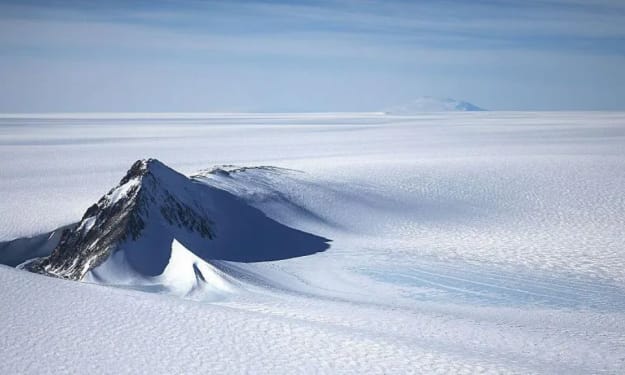
Landscape Beneath Antarctica's Icy Surface Revealed in Unprecedented Detail
For decades, Antarctica has been the Earth’s ultimate mystery — a vast expanse of ice covering almost 14 million square kilometers, hiding secrets beneath its frozen surface. Now, thanks to advanced radar technology and satellite mapping, scientists have produced the most detailed map yet of the continent’s hidden landscape, revealing mountains, valleys, subglacial lakes, and river systems that were previously invisible. This discovery is more than just a scientific curiosity. Understanding Antarctica’s topography beneath the ice is critical for predicting ice sheet stability, global sea-level rise, and climate change impacts. The new data could also shed light on Earth’s geological history and the ways in which life may survive in extreme environments. How Scientists Mapped the Hidden Terrain For years, researchers have relied on a combination of methods to peek beneath the ice: Ice-penetrating radar: Devices mounted on aircraft or satellites send radio waves through ice layers, which bounce back when they hit bedrock, revealing contours beneath kilometers of frozen water. Satellite gravimetry: Small variations in Earth’s gravitational field help infer the presence of mountains, valleys, and subglacial lakes. Seismic surveys: Explosions or controlled vibrations allow scientists to detect underground structures by measuring the way seismic waves travel through different materials. Using these techniques, a consortium of international researchers created a high-resolution map of Antarctica’s sub-ice topography, revealing features that rival the landscapes of continents that have been visible for millions of years. What’s Beneath the Ice? The map reveals a striking variety of features: Mountain ranges: Peaks rise more than 4,000 meters above the surrounding terrain, hidden beneath miles of ice. Some of these ranges may be older than the Rockies or the Alps. Deep valleys: Vast troughs and gorges, carved by ancient rivers or tectonic activity, provide clues about how the continent evolved over millions of years. Subglacial lakes: Scientists have identified hundreds of liquid water lakes trapped beneath the ice, including the famous Lake Vostok. These lakes remain liquid due to pressure and geothermal heat and may host microbial life isolated for millions of years. Subglacial river networks: Surprisingly, water flows beneath the ice in channels and rivers, slowly carving pathways that affect ice sheet movement. This intricate landscape challenges the perception of Antarctica as a flat, featureless ice sheet. Instead, it is a dynamic and complex environment, where hidden topography influences everything from ice flow to global sea levels. Why This Discovery Matters The importance of understanding what lies beneath Antarctica’s ice cannot be overstated: Predicting Ice Sheet Stability: Ice sheets move more quickly over smooth surfaces than over rugged terrain. Knowing where mountains and valleys lie helps scientists predict which areas of ice may collapse first, potentially raising sea levels faster than anticipated. Climate Change Models: Subglacial lakes and water channels lubricate the ice from below, influencing melting rates. Incorporating these features into models improves accuracy in forecasting future sea-level rise. Earth’s Geological History: The newly revealed landscape offers a window into Antarctica’s past — from tectonic shifts to ancient rivers and climates. This data helps reconstruct how continents drifted and climates evolved over millions of years. Search for Extreme Life: Subglacial lakes may harbor microbial life isolated for millions of years, providing insights into life in extreme environments, potentially even on other planets. Global Implications Antarctica may feel distant, but its ice sheets hold the key to global sea-level stability. Even small changes beneath the ice can have profound consequences for coastal cities around the world. With melting accelerated by climate change, understanding the terrain under the ice is crucial for planning and mitigation. Governments, scientists, and environmental organizations are now using this information to: Improve climate models for sea-level rise predictions Identify vulnerable regions of the ice sheet Guide future research missions to subglacial lakes and mountains The discovery also strengthens the case for continued international collaboration in Antarctica, where research and environmental protection are governed by treaties emphasizing peaceful scientific study. Challenges Ahead Mapping Antarctica is far from complete. Extreme weather, thick ice sheets, and logistical difficulties make the continent one of the hardest places to study. While radar and satellite technologies have advanced, field validation and deeper exploration remain difficult and expensive. Researchers also face ethical and environmental concerns. Drilling into subglacial lakes to sample microbial life, for instance, must be done carefully to avoid contamination. Antarctica’s fragile ecosystem demands that scientific progress balances discovery with protection. Looking to the Future The detailed map of Antarctica’s hidden landscape opens new possibilities for exploration and understanding: Ice Flow Predictions: With accurate topography, scientists can model how ice sheets will respond to warming climates more precisely. Resource Insights: While exploitation is restricted by international agreements, understanding subglacial mineral deposits can inform potential future uses. Extreme Environment Biology: Studying subglacial lakes could reveal new species adapted to cold, dark, and high-pressure environments, broadening our understanding of life on Earth. The data also strengthens international scientific cooperation, as multiple countries share findings and resources to better understand a continent that belongs to no single nation. Final Thoughts Antarctica’s ice may appear static and endless, but beneath it lies a vibrant and rugged landscape filled with mountains, valleys, lakes, and rivers. The new detailed mapping of this hidden world is a landmark achievement in Earth science, combining advanced technology, international collaboration, and the human drive to explore. By uncovering what lies beneath the ice, scientists are not just satisfying curiosity — they are equipping humanity with the knowledge to protect our planet, anticipate climate challenges, and understand the deep history of Earth itself. Antarctica’s secrets, once locked beneath kilometers of ice, are finally being revealed, and what we learn could reshape our understanding of the planet and our place within it.
By Muhammad Hassana day ago in Earth



Comments (1)
Nice work… I enjoyed this article. Keep up the good work .