
The Rise of Veganism: Exploring its Environmental Impact
Harnessing the Power of Veganism: A Sustainable Path to Environmental Transformation
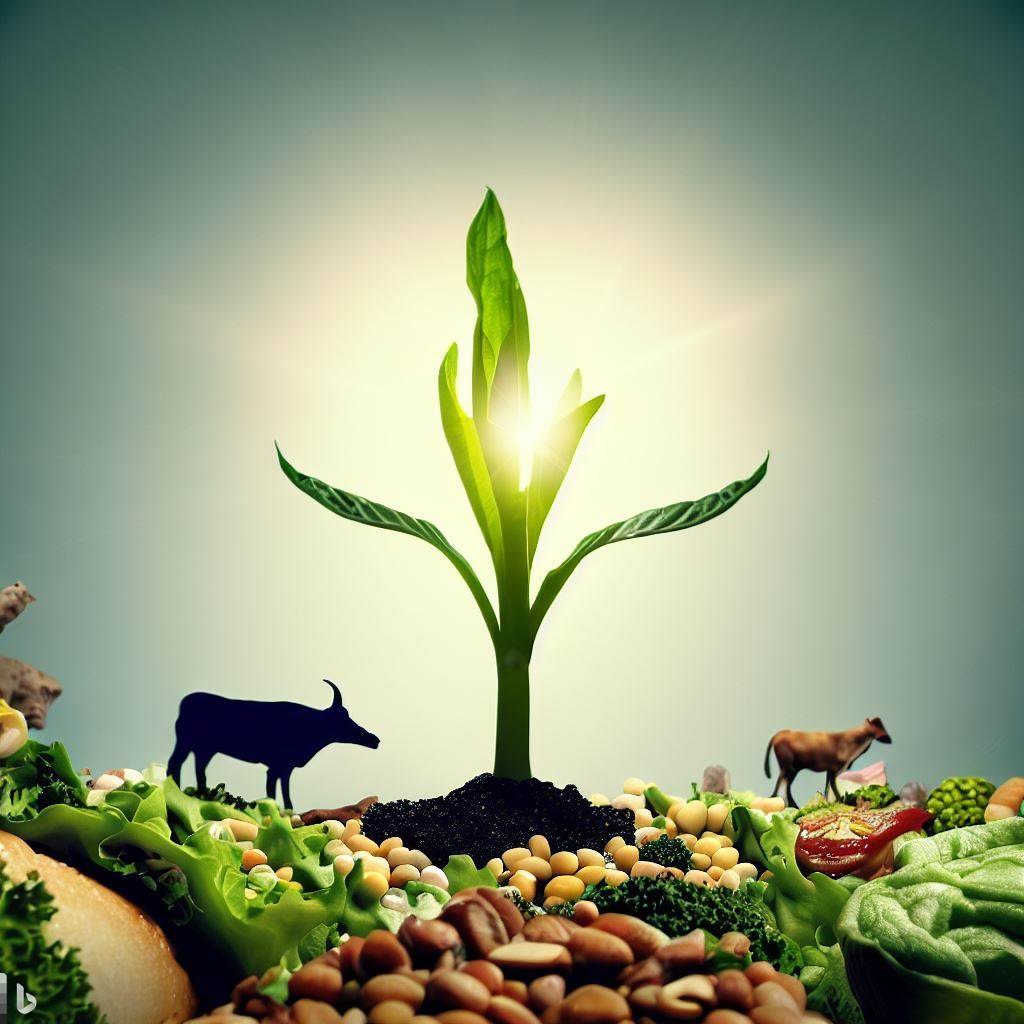
In recent years, veganism has experienced an extraordinary surge in popularity, as more and more people are embracing a plant-based lifestyle. This shift towards veganism is not only driven by health concerns and ethical considerations but also by a growing awareness of its profound environmental impact. By eschewing animal products, individuals are not only improving their own well-being but also making a powerful statement for the health of our planet. In this article, we will delve into the environmental benefits of veganism, using real-life examples to illustrate the positive impact of this dietary choice.
One of the most significant environmental advantages of veganism lies in the reduction of greenhouse gas emissions. Animal agriculture is a major contributor to global greenhouse gas emissions, surpassing even the transportation sector. According to a study published in the journal Science, the production of animal-based food requires extensive land use and results in substantial emissions of methane and nitrous oxide, potent greenhouse gases. By adopting a vegan lifestyle, we can significantly lower our carbon footprint and contribute to mitigating climate change.
Take the example of Costa Rica, a country known for its lush biodiversity and commitment to sustainability. Costa Rica has set an ambitious goal of becoming carbon neutral by 2021. As part of its efforts, the country has promoted veganism and plant-based diets. By reducing the consumption of meat and dairy products, Costa Ricans have been able to curb their carbon emissions. In fact, a study conducted by the University of Oxford revealed that adopting a vegan diet in Costa Rica could reduce greenhouse gas emissions associated with food by 72%.
Beyond carbon emissions, animal agriculture also places a tremendous burden on water resources. The production of meat and dairy requires vast amounts of water, from irrigating crops for animal feed to providing drinking water for livestock. As an illustration of this issue, consider the case of California, a state in the United States that has been grappling with severe droughts in recent years. According to a report by the Pacific Institute, it takes an astonishing 2,464 gallons of water to produce just one pound of beef. By contrast, it only takes 108 gallons of water to produce one pound of wheat. Choosing plant-based alternatives can significantly reduce water consumption and help alleviate the strain on water-scarce regions.
Furthermore, the cultivation of animal feed often drives deforestation, leading to habitat destruction and loss of biodiversity. The Amazon rainforest, often referred to as the "lungs of the Earth," has experienced widespread deforestation, with a significant portion of it being attributed to cattle ranching. By embracing veganism, individuals can contribute to the preservation of precious ecosystems and the protection of countless species. As an example, the Vegan Society estimates that by switching to a vegan diet, an individual can save approximately 30 square feet of forested land per day.
Veganism's positive impact extends to the conservation of marine ecosystems as well. Overfishing and destructive fishing practices have caused a significant decline in fish populations and disrupted oceanic ecosystems. By choosing plant-based alternatives to seafood, individuals can help restore balance to our oceans and safeguard marine life. The example of Norway highlights this potential. The Norwegian government has introduced policies to encourage a shift towards plant-based diets in order to protect its marine resources. By promoting sustainable alternatives, such as plant-based seafood, Norway aims to combat overfishing and reduce the strain on its fragile marine ecosystems.
The rise of veganism presents an opportunity for a more sustainable and compassionate future. By choosing a plant-based lifestyle, individuals can significantly reduce their carbon footprint, alleviate water scarcity, protect precious ecosystems, and restore balance to our oceans. The real-life examples mentioned above demonstrate the tangible benefits of veganism and inspire us to take action for the betterment of our planet.
As we move forward, let us embrace the power of our choices and recognize the potential for positive change. By adopting a vegan lifestyle, we can all be catalysts for a more environmentally friendly and compassionate world. Together, we can create a future where the rise of veganism continues to shape our planet in the most positive and inspiring ways.
About the Creator
Nuclear Transmutation: The Accidental Dream of Making Gold
Picture a laboratory humming with quiet intensity, banks of instruments blinking in the low light, and somewhere inside a shielded reactor chamber, something almost magical is happening. An element is changing. One thing is becoming another. What was mercury is now, atom by atom, becoming gold.
By CurlsAndCommas6 days ago in Earth


Comments
There are no comments for this story
Be the first to respond and start the conversation.