
The Relentless Teeth of Squirrels: Nature’s Tireless Chewers
How squirrel teeth never stop growing — and why that’s a big deal.

In the world of small mammals, squirrels may seem like playful creatures that scamper across parks and trees. But behind their cute faces lies a remarkable secret: their teeth never stop growing. Specifically, their front incisors — the teeth they use to gnaw through everything from nuts to tree bark — can grow up to six inches a year! Yes, six full inches. But how do they manage to keep those teeth in check?
Always Growing, Always Chewing
Squirrels, like many rodents, have open-rooted incisors. This means the teeth continue to grow throughout their lifetime. These continuously growing teeth are a survival necessity — without constant wear, they could grow so long that the squirrel wouldn’t be able to eat or close its mouth properly.
To counter this, squirrels gnaw — constantly. On nuts, wood, wires, bark, and sometimes even fences or metal. The action keeps their incisors sharp and at a manageable length. The chewing isn't just random; it's instinctual. It’s their built-in dental care routine.
6 Inches a Year — Really?
Yes, squirrel incisors can grow about 15 cm (six inches) annually. That may seem unbelievable, but it’s true — it’s just that most of it wears down through regular chewing. What we don’t see is the relentless behind-the-scenes action of nature keeping everything balanced.
Fun fact: If you ever see a squirrel with oddly long or crooked teeth, it’s likely because of a misalignment — they’re not wearing down evenly. In the wild, this can be dangerous or even fatal.
Their Teeth Are Built Like Blades
Here’s the cool part — a squirrel’s incisors are naturally orange or yellowish in color. This is due to iron in the enamel, which makes the teeth incredibly strong. That’s why squirrels can gnaw on hard nuts and tough wood with ease. The front of each incisor is super-hard enamel, while the back is softer dentin. This difference causes the teeth to wear down into sharp, chisel-like edges over time. Perfect tools for survival.
More Than Just Chewing
Squirrels don’t just chew for dental maintenance. Their teeth are also essential tools for:
- Opening tough nuts like walnuts or acorns.
- Building nests by tearing through materials.
- Defending themselves when needed.
- Escaping from tight spots by chewing through barriers.
So while it looks like a squirrel is just playing with a twig or nut, they’re actually performing critical tasks that are essential to their survival.
Squirrel Dentistry Gone Wrong
In captivity or urban settings, some squirrels don’t have access to enough hard materials to chew. This can lead to dental overgrowth. Wildlife rehabilitators sometimes have to trim their teeth manually to help them eat again.
That’s why even pet squirrels (where legal) require chewable enrichment items — untreated wood, safe toys, or special chew blocks — to maintain their dental health.
Final Thought:
The never-ending growth of a squirrel’s teeth might seem like a small detail in the grand story of nature, but it’s one of the most defining features of their survival. Their tireless need to gnaw isn’t just a quirky trait — it’s a matter of life and death. Without the constant act of chewing, those rapidly growing incisors would spiral out of control, making it impossible for the squirrel to eat, defend itself, or even survive in the wild.
But this fascinating fact is more than just a biological curiosity — it’s a reminder of how every creature is perfectly equipped for its role in the ecosystem. Squirrels may not have claws like a tiger or the flight of a hawk, but what they do have is a tool that never takes a break: a built-in set of blades that sharpen themselves with every bite. That’s nature’s quiet brilliance at work.
So next time you see a squirrel nibbling on a branch or tearing through a stubborn nut, take a moment to appreciate the incredible machinery hidden behind those twitchy whiskers and bushy tails. It’s not just eating. It’s evolution in action.
Hungry for More?
If you found squirrel teeth fascinating, wait until you learn about other incredible rodent adaptations! From beavers shaping entire landscapes with their teeth to the mighty jaws of porcupines — the world of chewing critters is full of surprises. Keep exploring, because nature is always hiding strange and smart secrets in the smallest places.
About the Creator
Inside Trump's $11 Billion Health Plan to Replace “Neo-Colonial” USAID
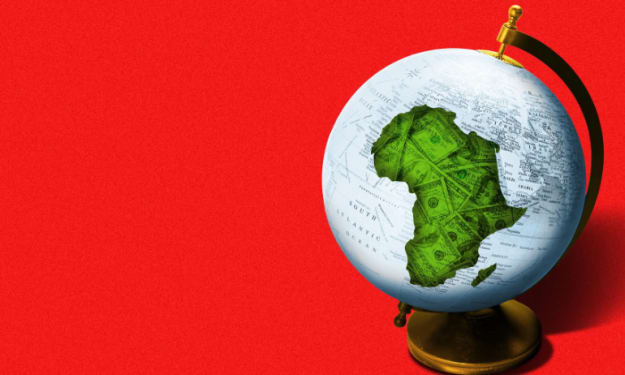
In the landscape of global health aid, few proposals have stirred as much debate as former President Donald Trump’s ambitious plan to restructure American assistance abroad. Dubbed an $11 billion health initiative aimed at replacing USAID’s current framework, the plan seeks to pivot away from what Trump and his allies have criticized as the “neo-colonial” approach of U.S. foreign aid. While the plan promises greater efficiency and impact, experts are split on whether it is a practical solution or a politically driven gamble. Trump’s Critique of USAID The United States Agency for International Development (USAID) has long been a central pillar of American foreign assistance, distributing billions in aid annually to address health crises, food insecurity, and development challenges worldwide. However, Trump’s administration and its supporters have often described USAID’s approach as bureaucratic, inefficient, and reflective of a “neo-colonial” mindset. In public statements, Trump argued that the U.S. was spending taxpayer dollars on programs that benefited foreign governments or contractors more than the intended local communities. Critics of the plan say that while USAID has flaws—as any large bureaucracy does—its extensive networks and decades of experience provide an unmatched capacity to deliver aid efficiently and safely. The Core of the $11 Billion Proposal At the heart of Trump’s proposal is an $11 billion fund designed to consolidate, modernize, and streamline U.S. health aid. Unlike the traditional USAID model, which relies heavily on long-term partnerships with governments and NGOs, the new plan emphasizes: Direct Impact Funding: Allocating resources to frontline health workers and local initiatives rather than intermediaries. Data-Driven Investments: Using real-time health data to target outbreaks and crises more efficiently. Private Sector Partnerships: Leveraging U.S. pharmaceutical companies, tech firms, and healthcare startups to deliver vaccines, treatments, and medical infrastructure. Shorter Program Cycles: Moving away from multi-year funding commitments in favor of more flexible, results-oriented programs. Proponents argue that this approach could reduce bureaucratic overhead and ensure U.S. aid reaches communities faster. By “cutting out the middlemen,” Trump supporters claim, America can avoid the pitfalls of slow-moving aid programs that sometimes fail to adapt to crises. Reactions from the Global Health Community Global health experts, however, have expressed concern about both the logistics and philosophy of the plan. Dr. Melissa Ortega, a senior researcher at the Global Health Policy Institute, explained, “The idea of bypassing established structures like USAID may sound appealing on paper, but in practice, it risks undermining decades of institutional knowledge. Health systems are complex, and short-term projects cannot replace long-term capacity building.” Some critics have also questioned the characterization of USAID as “neo-colonial.” While U.S. foreign aid has historically been tied to geopolitical interests, many programs today are designed collaboratively with recipient countries and local organizations. Reducing oversight could unintentionally increase the risk of misuse, corruption, or health inequities. On the other hand, supporters of Trump’s plan point to examples of inefficiency in USAID programs, citing cases where aid was delayed or mismanaged. By introducing more direct funding models, they argue, U.S. taxpayer dollars could achieve a higher “return on health outcomes.” Political Implications Trump’s health aid overhaul proposal is not just about international development—it is also deeply political. Framing USAID as a “neo-colonial” institution resonates with a populist narrative that America should prioritize its own citizens and assert greater control over how taxpayer money is spent abroad. Domestically, the $11 billion plan faces scrutiny from Congress. Lawmakers from both parties have questioned whether dismantling USAID’s systems could destabilize ongoing health programs in countries where the U.S. has long-term commitments. The potential impact on global health security—including the fight against pandemics like COVID-19—adds another layer of concern. Internationally, U.S. allies and partner nations are watching closely. Sudden shifts in aid delivery could disrupt health programs in low- and middle-income countries, many of which rely on predictable funding cycles to maintain vaccination campaigns, maternal health services, and disease surveillance. Possible Benefits and Risks If executed carefully, the Trump-backed model could bring several benefits: Faster Response Times: Direct funding could accelerate delivery of vaccines, treatments, and emergency support. Innovation Boost: By partnering with private sector companies, the plan could accelerate development of new health technologies. Accountability: With performance-based metrics, the plan may better measure the impact of U.S. aid. However, the risks are equally significant: Disruption of Existing Programs: Abrupt changes could destabilize ongoing health projects. Loss of Expertise: USAID’s decades of experience in navigating local governance, supply chains, and community engagement may be hard to replace. Geopolitical Fallout: Allies accustomed to collaborating with USAID might see the move as destabilizing, reducing cooperation on global health initiatives. Looking Ahead As Trump and his allies continue to advocate for this $11 billion overhaul, the debate over the future of U.S. health aid is intensifying. Proponents view it as a necessary modernization of an outdated system, while critics fear it could undercut decades of carefully built infrastructure and global partnerships. Ultimately, the success of this plan will hinge on its ability to balance efficiency with stability, innovation with oversight, and political objectives with humanitarian needs. For now, the proposal remains controversial, representing a dramatic departure from traditional approaches to U.S. foreign aid. Whether it will reshape global health for the better—or simply create more uncertainty—remains to be seen. In the end, the Trump health plan is as much about ideology as it is about dollars. It challenges the conventional wisdom of international development and asks whether a more streamlined, results-focused approach can truly replace a system built over decades. As the world watches, the stakes could not be higher: the future of U.S. global health aid—and the lives it touches—hangs in the balance.
By Muhammad Hassan4 days ago in Earth
Nitrogen is necessary for young tropical rain forests to combat climate change.
By absorbing carbon dioxide from the atmosphere and storing it in wood, tropical rainforests contribute to the slowing of climate change. Forests that develop quickly are even more important because they absorb carbon more quickly.
By Francis Dami3 days ago in Earth



Comments
There are no comments for this story
Be the first to respond and start the conversation.